

The Future of Functional Fabrics in Streetwear
Streetwear has always been a reflection of the times—rooted in rebellion, skate culture, and hip-hop, it has evolved into a global fashion powerhouse. But as the industry matures, a new frontier is emerging: the integration of advanced functional fabrics. No longer just about aesthetics, the next wave of streetwear is defined by performance, durability, and adaptability. Here’s a look at where functional fabrics are taking streetwear next.
Beyond Cotton: The Rise of Technical Textiles
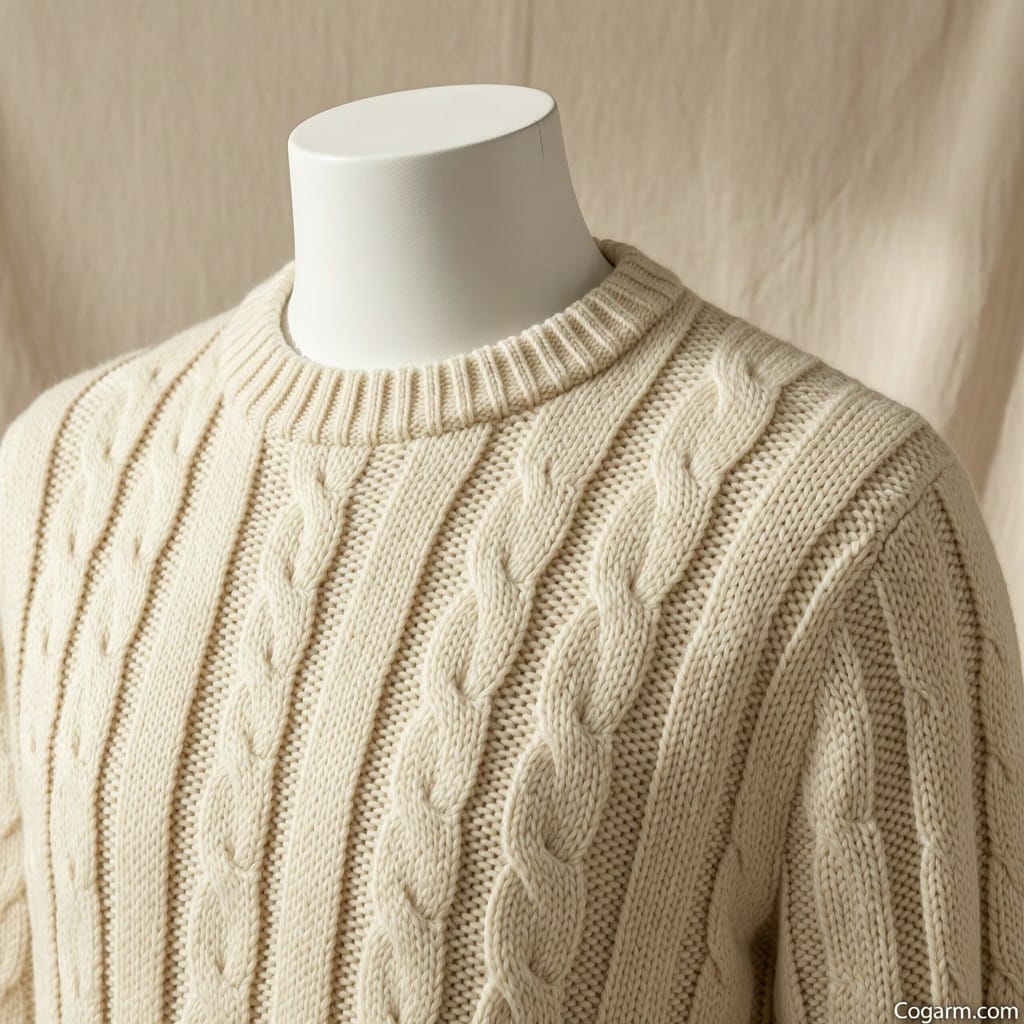
Traditional cotton and denim are giving way to engineered materials that offer more than just comfort. Think moisture-wicking nylon blends, lightweight ripstop fabrics, and stretch-woven panels that move with the body. These materials are borrowed from outdoor and athletic gear but are being reimagined for urban environments. The result? Hoodies that regulate temperature, cargo pants that repel water, and sneakers with breathable, antimicrobial linings.
Weather-Adaptive and All-Season Wear
One of the most exciting developments is the use of phase-change materials (PCMs) and smart textiles that adapt to changing conditions. Imagine a jacket that insulates when it’s cold but vents heat when you’re active. Or a pair of joggers that block wind but remain breathable. These fabrics are making streetwear truly all-season, reducing the need for multiple layers and allowing for a streamlined, minimalist silhouette that still performs in rain, wind, or heat.
Durability Meets Street Style
Streetwear is often worn hard—skateboarding, commuting, or simply daily life. Functional fabrics are stepping up with enhanced abrasion resistance, reinforced stitching, and stretch recovery. Brands are using Cordura nylon, Dyneema composites, and Kevlar blends in unexpected places like hood cuffs, knee panels, and backpack straps. This isn’t just about toughness; it’s about creating pieces that look better with wear and last for years, aligning with a growing preference for quality over quantity.
Lightweight and Packable Design
Urban mobility is a key driver. Fabrics that are ultralight yet strong allow for packable outerwear that can be stowed in a backpack or tote. This is a game-changer for commuters and travelers who need a jacket that disappears when not in use but performs when needed. Look for down-proof nylon, silicone-coated ripstop, and ultra-fine microfiber shells that compress without losing shape.
Breathability and Moisture Management
Sweating in a hoodie or joggers is a thing of the past. New fabric technologies focus on bidirectional moisture transport—pulling sweat away from the skin while allowing air to circulate. Merino wool blends, bamboo charcoal fibers, and engineered mesh panels are being integrated into streetwear staples. This keeps the wearer dry and comfortable, whether they’re in a crowded club or on a long walk through the city.
Stretch and Recovery for Movement
Streetwear is about attitude and action. Fabrics with four-way stretch and high recovery are becoming standard in denim, chinos, and even outerwear. Elastane blends, mechanical stretch weaves, and spandex-free stretch technologies allow for unrestricted movement without bagging out. This is crucial for skaters, dancers, and anyone who values freedom of motion in their daily wear.
Antimicrobial and Odor-Resistant Finishes
As streetwear becomes more integrated into daily life, the need for freshness between washes grows. Silver-ion treatments, copper-infused fibers, and natural antimicrobial agents like chitosan (derived from shellfish) are being applied to fabrics. These finishes inhibit bacterial growth, reducing odors and extending the life of the garment. This is especially relevant for sneakers, hats, and base layers that see heavy use.

Water Repellency Without the Bulk
Durable water repellent (DWR) coatings have been around for years, but new formulations are more eco-friendly and longer-lasting. These treatments are being applied to lightweight streetwear fabrics, making them shed light rain and splashes without feeling like a raincoat. The key is maintaining the fabric’s natural hand feel and breathability while adding a protective layer. This allows for a sleek, urban look that’s ready for unpredictable weather.
UV Protection and Sun Safety
Sun protection is no longer just for beachwear. UPF-rated fabrics are appearing in streetwear hoodies, caps, and even denim. These fabrics block harmful UV rays while remaining lightweight and breathable. For outdoor events, festivals, or simply walking in the city, this adds a layer of health-conscious functionality that resonates with modern consumers.
Modular and Convertible Design
Functional fabrics enable modular design. Jackets with removable sleeves, pants that convert to shorts, and bags that transform into vests are becoming more common. The fabrics used need to be strong enough to handle zippers, snaps, and attachment points without tearing. This trend speaks to the desire for versatility and minimalism—one piece that does the work of several.
The Role of Digital Printing and Color
Advanced digital printing techniques allow for vibrant, fade-resistant patterns on performance fabrics. This means streetwear can maintain its bold, graphic identity while using technical materials. Sublimation printing on polyester blends, for example, creates permanent color that won’t crack or peel. This opens up new possibilities for limited drops and custom designs without compromising fabric performance.
What’s Next: Smart Fabrics and Connectivity
Looking ahead, the integration of conductive threads and flexible electronics is on the horizon. Imagine a hoodie that can charge your phone, or a jacket with built-in heating elements controlled by a smartphone app. While still niche, these innovations are being tested by forward-thinking brands. The challenge is making them washable, durable, and affordable—but the potential is immense.
Conclusion
The future of functional fabrics in streetwear is not about replacing style with utility—it’s about enhancing the experience of wearing clothes. As consumers demand more from their wardrobes, brands that embrace these technologies will lead the way. From weather-adaptive shells to antimicrobial linings, the next generation of streetwear will be smarter, tougher, and more comfortable than ever. The street is the runway, and the fabric is the future.