

Why Bamboo-Cotton Blends are Trending in OEM
In the competitive world of OEM apparel and textile production, material selection is no longer just about cost—it’s about performance, sustainability, and consumer appeal. Bamboo-cotton blends have emerged as a standout choice for OEM partners looking to deliver premium products without compromising on practicality. Here’s why this hybrid fabric is gaining traction across the industry.
1. Superior Comfort and Breathability
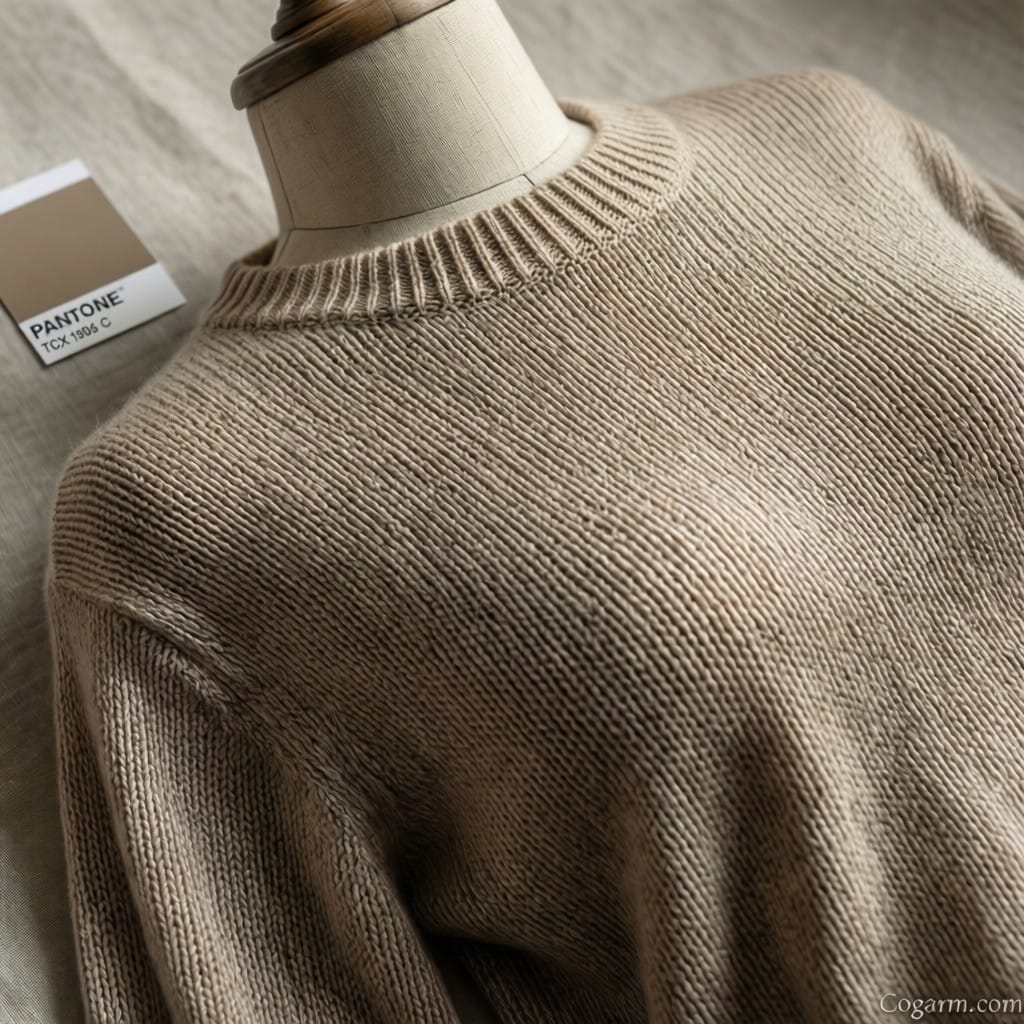
Bamboo fibers are naturally porous, allowing for exceptional airflow and moisture wicking. When blended with cotton—a staple for softness and absorbency—the result is a fabric that feels cool against the skin, dries quickly, and reduces irritation. For OEM buyers targeting activewear, loungewear, or baby products, this combination offers a clear edge over 100% cotton or synthetic alternatives.
2. Enhanced Durability and Shape Retention
Pure bamboo fabrics can be prone to stretching or weakening after repeated washes. Cotton adds tensile strength and dimensional stability, making bamboo-cotton blends more resilient for high-use garments. OEM manufacturers benefit from fewer returns and longer product lifespans, which is critical for private-label brands building customer loyalty.
3. Natural Antimicrobial Properties
Bamboo contains a natural bio-agent called “bamboo kun” that resists bacteria and odors—even after multiple washes. This reduces the need for chemical treatments in production and keeps garments fresher between uses. For OEM clients in sportswear, underwear, or hospitality textiles, this feature is a powerful selling point that doesn’t rely on synthetic additives.
4. Cost-Effective Sustainability
While 100% organic or specialty fibers can drive up raw material costs, bamboo-cotton blends strike a balance. Bamboo grows rapidly with minimal water and no pesticides, while cotton provides volume and affordability. OEM suppliers can offer a “greener” product at a competitive price point, appealing to eco-conscious retailers without sacrificing margins.
5. Versatile Aesthetics and Dyeing
Bamboo fibers take dye exceptionally well, producing vibrant, fade-resistant colors. Cotton complements this with a natural matte finish and soft hand feel. The blend allows OEM designers to achieve a wide range of textures—from silky sheen to brushed softness—while maintaining consistent color across production runs. This versatility is ideal for fashion-forward private labels and uniform programs alike.
6. Growing Consumer Demand for “Better Basics”
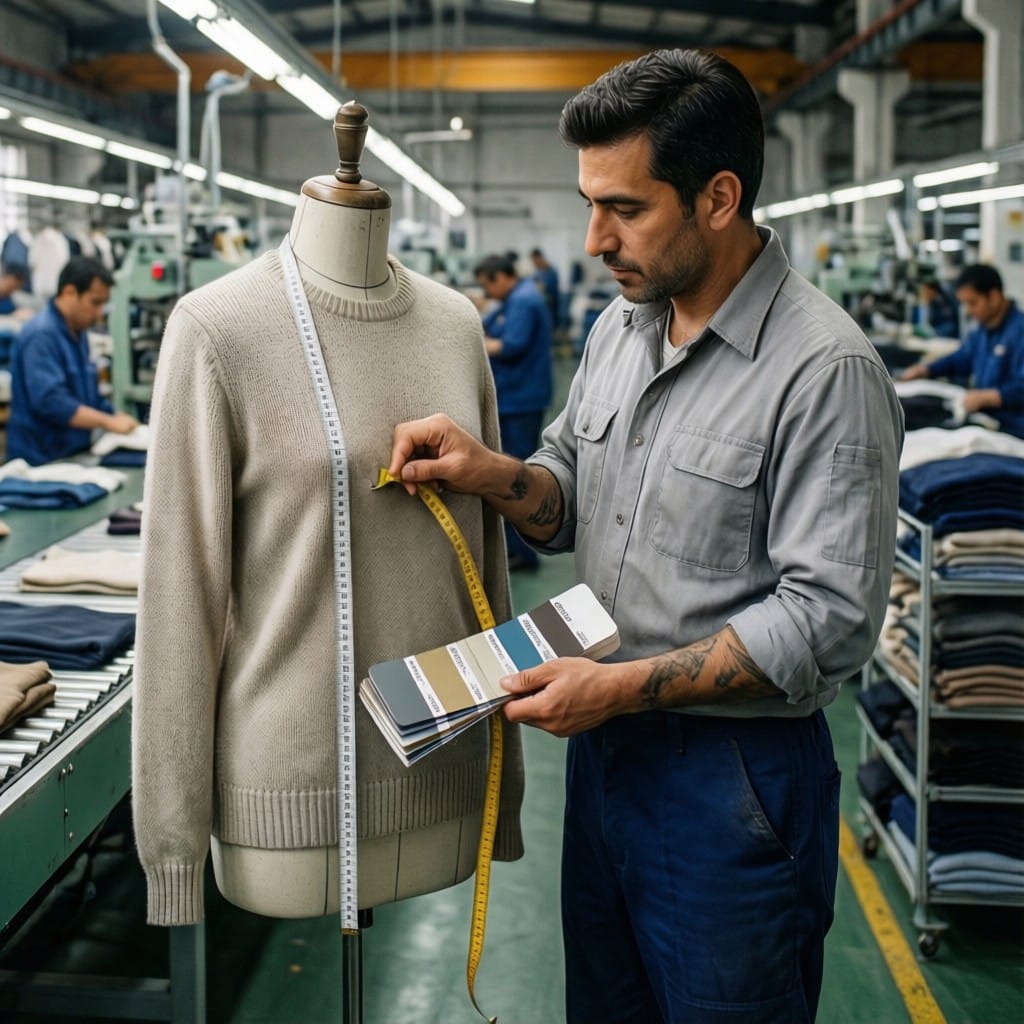
Today’s shoppers are more informed and selective. They want fabrics that feel luxurious, perform well, and have a lower environmental impact—without the premium price tag of niche materials. Bamboo-cotton blends meet this demand directly. OEM partners who adopt this fabric early can position their clients as modern, responsible brands in a crowded marketplace.
Frequently Asked Questions
Q: Is bamboo-cotton blend suitable for sensitive skin?
Yes. The blend is naturally hypoallergenic and free from harsh chemicals often used in synthetic fabrics. Many OEM clients use it for baby clothing and medical textiles.
Q: How does the blend perform in industrial laundering?
Bamboo-cotton blends hold up well under commercial wash cycles, especially when the cotton content is 50% or higher. Shrinkage is minimal compared to 100% bamboo, making it a reliable choice for hospitality and healthcare OEM orders.
Q: Can I customize the blend ratio for my OEM project?
Absolutely. Common ratios include 60% bamboo / 40% cotton for maximum softness, or 50/50 for balanced durability. Your OEM supplier can adjust based on end-use requirements.
Bottom line: Bamboo-cotton blends are not a passing trend—they represent a smart, scalable solution for OEM partners who need to combine comfort, durability, and eco-appeal. As consumer expectations rise, this fabric is quickly becoming a new baseline for quality private-label production.