

The Infrastructure of Dongguan’s Textile Industrial Parks
Dongguan, a manufacturing powerhouse in China’s Pearl River Delta, has long been a global hub for textile and apparel production. The city’s textile industrial parks are not merely clusters of factories; they are meticulously planned ecosystems designed to optimize production efficiency, reduce operational costs, and support the entire supply chain from raw material processing to finished garment logistics.
This article provides a detailed look at the physical and operational infrastructure that defines these industrial parks, focusing on the facilities, utilities, and logistical frameworks that make Dongguan a preferred destination for textile manufacturers.
1. Centralized Utility Systems

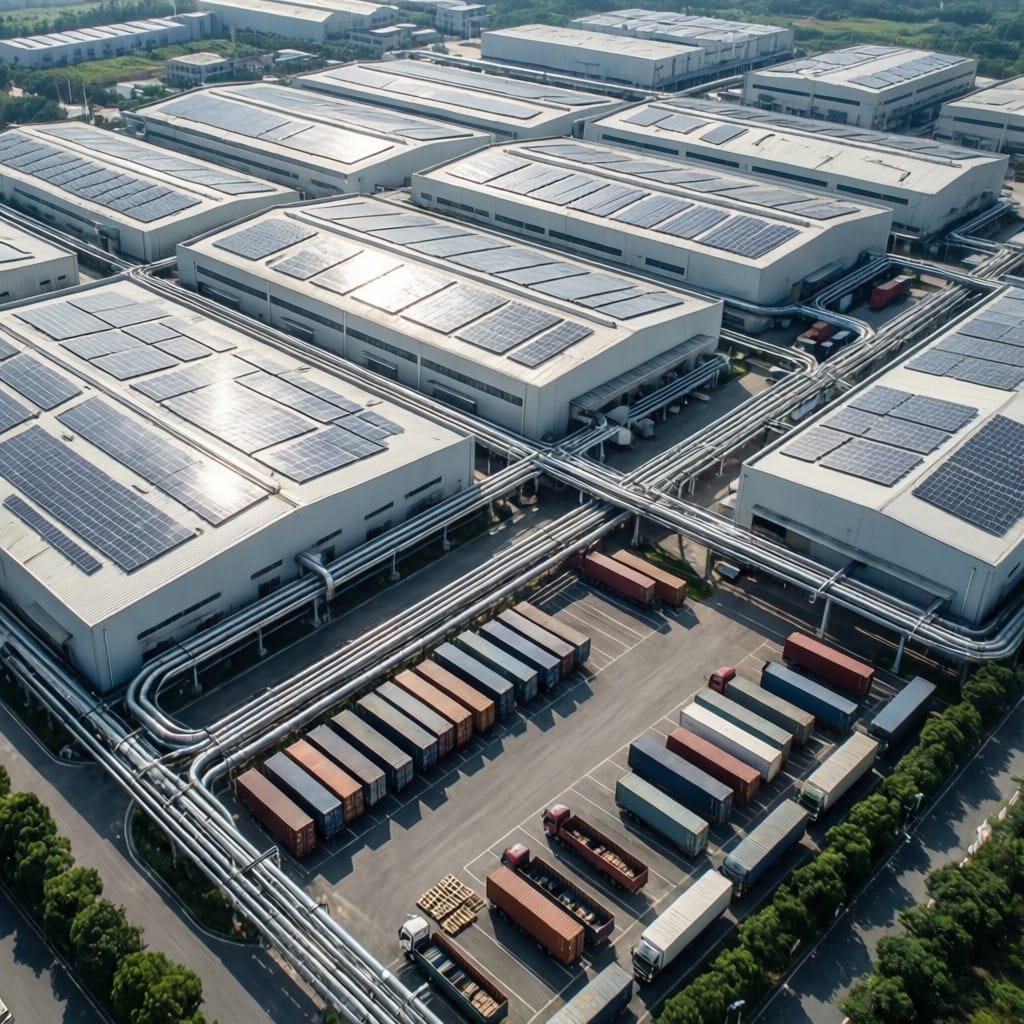
One of the most critical infrastructure components in Dongguan’s textile parks is the centralized utility grid. Unlike scattered standalone factories, these parks feature shared systems for steam, compressed air, and treated water. This approach eliminates the need for individual boiler houses and water treatment plants at each facility, significantly reducing capital expenditure and environmental footprint.
- Steam Supply: High-pressure steam is distributed via insulated pipelines from a central energy plant, ensuring consistent heat for dyeing, finishing, and drying processes.
- Water Treatment: Advanced centralized wastewater treatment facilities handle effluent from all tenants, meeting stringent local discharge standards. Many parks also operate water recycling loops, achieving up to 60% reuse rates.
- Power Redundancy: Parks are equipped with dual-substation power grids and backup generators to prevent production downtime during grid fluctuations.
2. Specialized Factory Layouts
Factory buildings within Dongguan’s textile parks are designed with specific production flows in mind. Standardized floor plates, high ceiling heights (typically 6–8 meters), and reinforced flooring accommodate heavy machinery like looms, knitting machines, and dyeing vats.
- Multi-story vs. Single-story: Parks often offer a mix. Single-story buildings are preferred for heavy machinery and bulk material handling, while multi-story units are used for cutting, sewing, and assembly operations where vertical material movement is manageable.
- Dedicated Zones: Parks are zoned to separate wet processes (dyeing, printing) from dry processes (weaving, knitting, garment assembly). This minimizes cross-contamination and improves workplace safety.
- Loading Bays: Each factory unit includes dedicated loading docks with levelers and canopies, designed to accommodate 40-foot container trucks for efficient raw material intake and finished goods dispatch.
3. Logistics and Transportation Networks
Dongguan’s textile parks benefit from the city’s strategic location within the Greater Bay Area. Infrastructure investments ensure seamless connectivity:
- Road Networks: Parks are directly connected to major expressways such as the G4 Beijing-Hong Kong-Macau Expressway and the G94 Pearl River Delta Ring Expressway, enabling rapid trucking to Shenzhen and Guangzhou ports.
- Rail Freight: Several parks have dedicated rail spurs or are located near intermodal terminals, allowing for containerized cargo to be shipped directly to Yantian or Nansha ports via rail, reducing road congestion and carbon emissions.
- Internal Logistics: Wide internal roads (minimum 12 meters) and designated truck waiting areas prevent congestion. Some parks operate internal shuttle systems for worker transport and small-parts delivery between factories.
4. Environmental and Safety Infrastructure
Modern textile parks in Dongguan incorporate robust environmental controls as a standard feature:
- Exhaust and Ventilation: Centralized exhaust systems with scrubbers capture volatile organic compounds (VOCs) from printing and finishing lines. Fresh air intake systems maintain indoor air quality in sewing and cutting halls.
- Fire Safety: Parks are equipped with high-capacity fire water tanks, sprinkler systems, and dedicated fire pump rooms. Fire lanes are clearly marked and maintained, with hydrants spaced at intervals compliant with Chinese fire codes.
- Solid Waste Management: Designated collection points for fabric scraps, packaging waste, and sludge from water treatment are integrated into the park layout, with contracts for recycling or incineration.
5. Technology and Digital Infrastructure
To support Industry 4.0 adoption, Dongguan’s newer textile parks offer advanced digital infrastructure:
- Fiber Optic Backbone: High-speed internet and private network connections are pre-installed, enabling real-time production monitoring, ERP systems, and IoT sensor networks.
- Smart Metering: Individual factory units are equipped with sub-meters for electricity, water, and steam, allowing tenants to track consumption and optimize energy use.
- Security Systems: Perimeter fencing, 24/7 CCTV coverage, and access control gates with license plate recognition are standard, ensuring asset security across the park.
6. Ancillary Services and Amenities
Beyond production facilities, Dongguan’s textile parks provide essential support services that reduce operational friction:
- On-site Warehousing: Shared bonded warehouses and cross-docking facilities are available for raw material storage and finished goods consolidation.
- Worker Amenities: Dormitory blocks, canteens, and medical clinics are located within or adjacent to the parks, reducing commute times for the workforce.
- Administrative Centers: Park management offices handle permits, tax filings, and customs documentation, streamlining bureaucratic processes for tenants.
Conclusion
The infrastructure of Dongguan’s textile industrial parks is a product of decades of industrial evolution. By centralizing utilities, optimizing factory layouts, and integrating modern logistics and digital systems, these parks offer manufacturers a turnkey environment that minimizes overhead and maximizes throughput. For any textile business looking to establish or expand production in China, understanding this infrastructure is the first step toward operational success.