

Scaling Sweater Production: A Case Study in Capacity Planning for a Global Brand
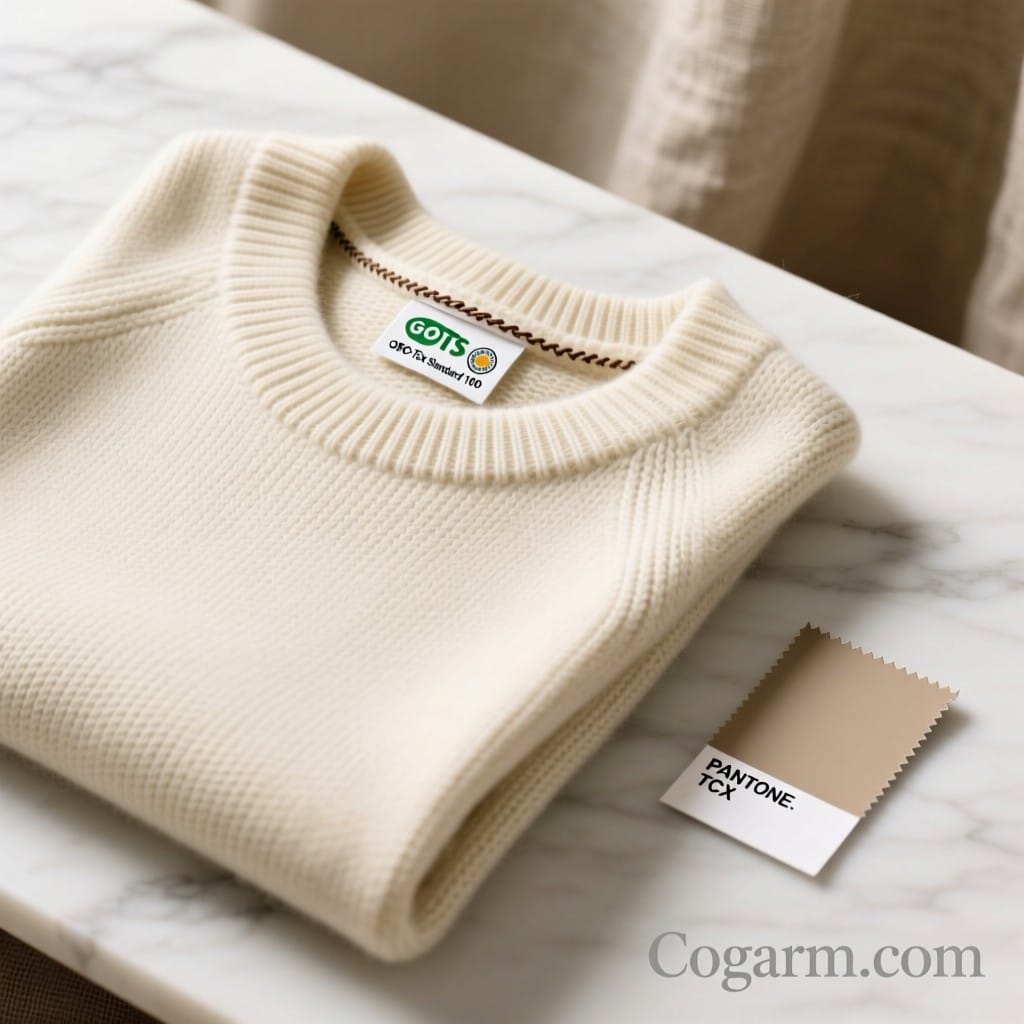
When a fast-growing global athleisure brand approached Cogarm.com to scale their sweater production from 15,000 units per season to 120,000 units within 18 months, the challenge was not simply adding more knitting machines. The core problem was maintaining consistent quality and delivery timelines while tripling output across multiple yarn types and gauges. This case study outlines the specific capacity planning and quality-at-volume strategies we deployed to meet that target without compromising on stitch definition or color consistency.
The Capacity Bottleneck: Identifying the Real Constraints
Initial analysis revealed that the brand’s existing supply chain relied on three mid-sized factories, each operating at 85% capacity. Simply adding a fourth factory would introduce variability in tension settings and finishing techniques. Instead, we conducted a granular capacity audit across four dimensions: machine hours per sweater type (3-gauge, 7-gauge, and 12-gauge), dye lot scheduling, finishing line throughput, and QC inspection bandwidth.
Our data showed that 7-gauge sweaters accounted for 62% of the volume but consumed 74% of finishing time due to hand-linked seams. To scale, we reallocated 30% of 7-gauge production to a dedicated line with automated linking machines, reducing finishing time per unit from 22 minutes to 14 minutes. This freed up 1,200 hours of skilled labor per month for the more complex 3-gauge styles.
Production Scaling Roadmap: From 15K to 120K Units
We implemented a phased scaling plan over four seasons. The first phase (months 1–6) focused on stabilizing the existing 15,000-unit baseline while onboarding two new partner mills in Vietnam and Bangladesh. Each mill was required to pass a 500-unit pilot run with a defect rate below 1.2% before receiving volume orders.
| Phase | Months | Target Volume | Key Actions | Defect Rate Target |
|---|---|---|---|---|
| 1 | 1–6 | 15,000–30,000 | Stabilize existing lines; pilot new mills | < 1.5% |
| 2 | 7–12 | 30,000–65,000 | Add automated linking; increase dye lot capacity by 40% | < 1.0% |
| 3 | 13–18 | 65,000–120,000 | Full integration of three mills; real-time QC dashboard | < 0.8% |
By month 12, we had increased dye lot capacity by 40% by installing two additional 500-kg dyeing machines and implementing a just-in-time yarn inventory system. This reduced lead time from 14 weeks to 9 weeks for core colors.
Quality at Volume: The 0.8% Defect Rate Standard
Scaling volume often introduces quality drift. To counter this, we instituted a three-tier QC protocol: inline inspection during knitting (every 50th sweater checked for tension and stitch uniformity), end-of-line inspection for finishing (button attachment, seam strength, and pilling resistance), and a random 5% audit before shipment. Each mill was required to maintain a rolling 30-day defect rate below 0.8% or face a 10% reduction in order allocation for the next cycle.
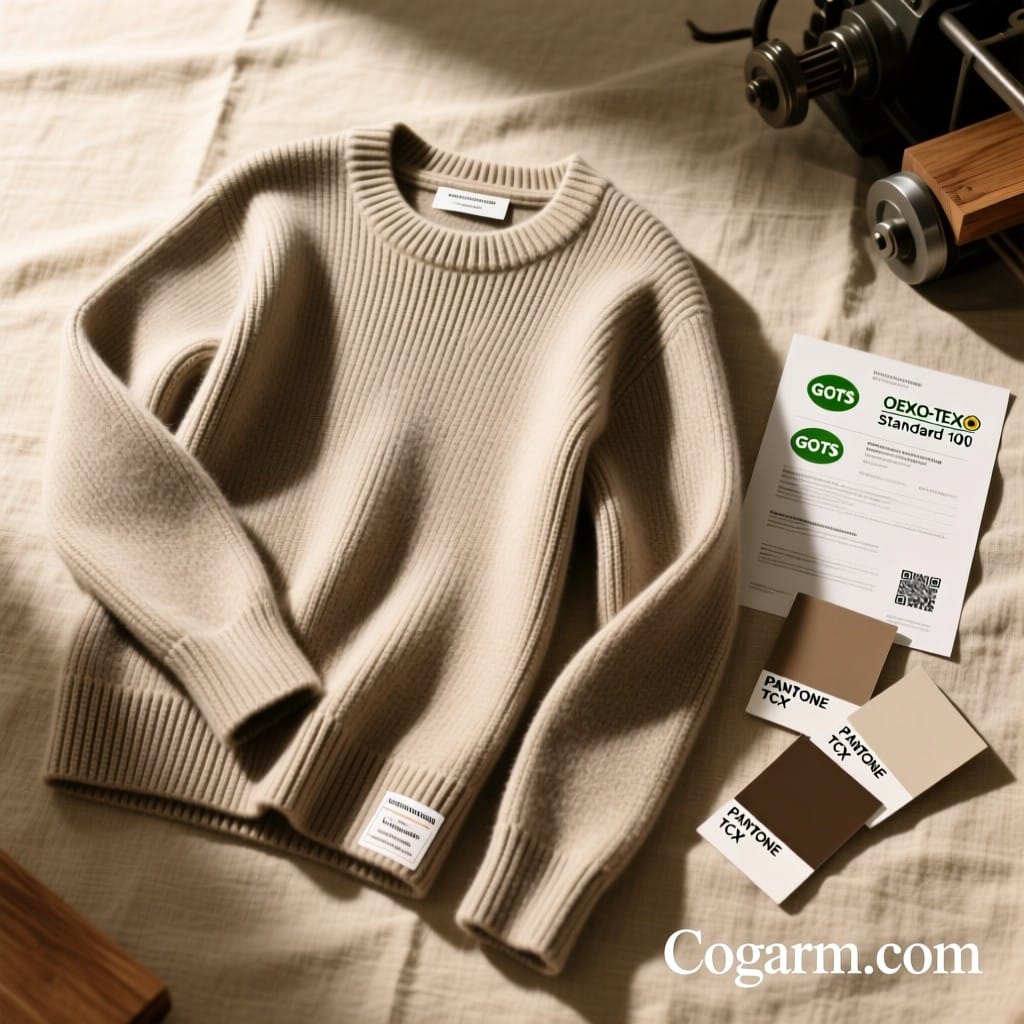
One specific challenge was color consistency across dye lots. At 120,000 units, even a 2% shade variation could result in 2,400 mismatched sweaters. We solved this by requiring all mills to use the same spectrophotometer model (Datacolor 800) and submit digital color readings for every dye lot. Any lot with a Delta E value above 0.6 was rejected before production began. Over the 18-month period, this reduced color-related returns by 73%.
Capacity Planning for Seasonal Peaks
The brand’s demand was highly seasonal, with 55% of orders concentrated in a 10-week window before the fall/winter launch. To handle this, we built a buffer capacity model: each mill maintained a 15% reserve of machine hours during off-peak months, which could be activated with a 3-week notice. We also cross-trained 40% of the finishing team to handle both 7-gauge and 12-gauge sweaters, allowing flexible reallocation of labor based on real-time order mix.
This approach allowed us to absorb a 35% surge in orders during month 14 without delaying a single shipment. The average lead time during peak season remained at 11 weeks, only 2 weeks longer than off-peak.
Cost Implications of Scaling
Scaling from 15,000 to 120,000 units reduced the per-unit cost by 18%, driven by yarn bulk purchasing (12% savings), machine utilization improvements (4% savings), and reduced QC rework (2% savings). However, we also saw a 6% increase in logistics costs due to splitting shipments across three mills. The net effect was a 12% reduction in landed cost per sweater, which the brand passed on to retailers as a 5% wholesale price reduction while maintaining their margin.
Key Takeaways for B2B Buyers
For brands planning to scale sweater production, the critical factors are not just machine count but finishing line capacity, dye lot management, and QC consistency across multiple sites. We recommend starting with a 500-unit pilot per new mill, investing in standardized color measurement tools, and building a 15% buffer into your capacity plan for seasonal surges. The data from this case study shows that with disciplined planning, scaling volume by 8x is achievable while actually improving quality metrics—from 1.5% defect rate down to 0.8%.
Frequently Asked Questions
What is the minimum order quantity for scaling sweater production?
For a new style, we recommend a minimum of 500 units per color per gauge to justify machine setup and dye lot costs. Once the production process is stabilized, we can handle repeat orders as low as 200 units per color for core styles.
How do you ensure consistent quality across multiple factories?
We require all partner mills to use identical QC protocols, including the same spectrophotometer model for color measurement and a shared digital dashboard for defect tracking. Each mill undergoes a quarterly audit by our quality team, and any mill exceeding a 1.0% defect rate for two consecutive months is placed on a probationary order reduction.
What is the typical lead time for a 50,000-unit sweater order?
For a standard 7-gauge sweater with 2–3 colors, the lead time is 10–12 weeks from order confirmation to shipment. This includes 4 weeks for yarn procurement, 3 weeks for knitting and finishing, 2 weeks for dyeing and QC, and 1–2 weeks for logistics. Rush orders with pre-approved yarn can be completed in 7 weeks.
Can you handle mixed gauges within the same order?
Yes. We regularly produce orders that combine 3-gauge, 7-gauge, and 12-gauge sweaters. However, we recommend grouping similar gauges into separate production batches to avoid machine changeover delays. A mixed-gauge order of 50,000 units typically adds 2 weeks to the lead time compared to a single-gauge order.