

This article explores the critical performance, material, and manufacturing trade-offs between performance knitwear and structured wovens in the rapidly growing 2026/2027 athleisure market. Sourcing executives and apparel engineers will discover how specific yarn micrometers, machine gauges, and dual-base production strategies directly impact product durability, development timelines, and cost structures.
The boundaries between performance activewear and premium lifestyle apparel have entirely dissolved. Modern consumers expect garments that transition seamlessly from high-output activities to professional environments—a product philosophy heavily influenced by how brands like automotive innovators integrate clean, minimalist aesthetics with high-performance engineering. For apparel procurement managers, translating this trend into retail-ready stock requires a sophisticated understanding of textile mechanics.
As brands plan their lines for the 2026/2027 seasons, the core product development challenge lies in balancing the fluid drape of high-gauge knits with the resilient protection of technical wovens. Selecting the wrong construction method or yarn grade does not just result in aesthetic inconsistencies; it leads to critical post-purchase defects like pilling, seam slippage, and premature elastane degradation.
(See our related guide: Why “Slow Fashion” Brands are Choosing OEM.)
This article provides an engineering-focused analysis of knits versus wovens in modern garment manufacturing. Procurement leads will learn how to specify technical material parameters—such as yarn micron ratings and knitting gauges—to mitigate supply chain risk, control costs, and optimize production lead times.
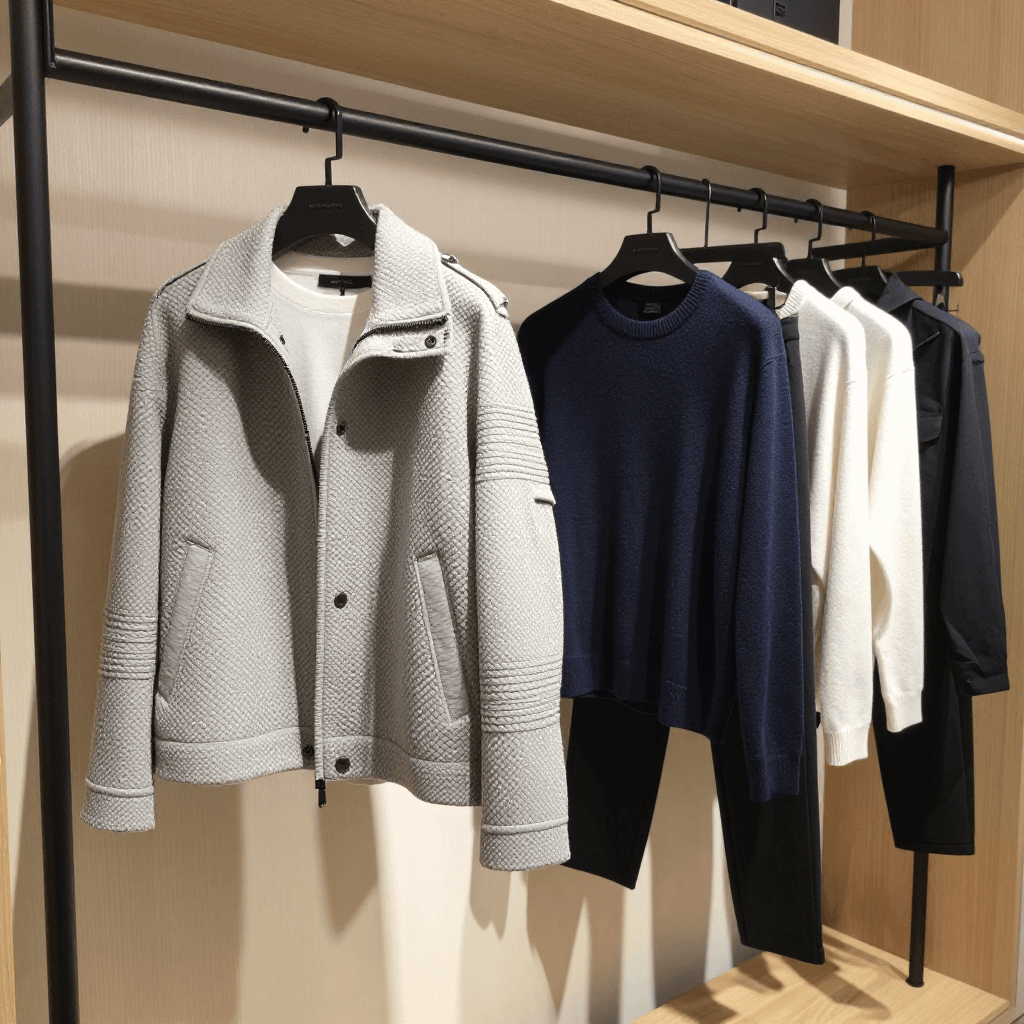
Material Performance Benchmarks
To successfully navigate the 2026/2027 athleisure market, procurement teams must look past marketing terms and evaluate fabrics on precise, quantifiable physical properties. Knits and wovens behave fundamentally differently under mechanical stress, moisture load, and industrial dyeing processes.
| Technical Parameter | Knit Athleisure (Merino/Acrylic/Cotton Blend) | Woven Athleisure (Stretch Nylon/Polyester) |
|---|---|---|
| Fibre/Yarn Diameter | Superfine Merino ≤18.5µm; Cashmere Grade A ≤15.5µm | Synthetic Filament: 12.0µm to 14.5µm |
| Construction Density | Flatbed machine gauge of 3GG to 18GG | Loom warp/weft density of 100 to 400 threads per inch |
| Mechanical Elongation | 50% to 150% inherent loop-based stretch | 10% to 30% stretch requiring 3% to 5% elastane |
| Minimum Order Quantity | 100 pcs per colour/style | 200 pcs per colour/style |
| Sample Development Lead | 15–20 days (+ 5–7 days for sourced yarn) | 10–15 days (+ 3–5 days for sourced fabric) |
| Production Lead Time | 45–60 days from sample approval | 40–55 days from sample approval |
| Color Tolerances | ΔE ≤ 1.0 against Pantone TCX standard | ΔE ≤ 0.8 against Pantone TCX standard |
| Defect Acceptance Level | AQL 2.5 standard visual inspection | AQL 2.5 standard visual inspection |
This comparison demonstrates that while knits offer superior inherent mechanical stretch and thermal comfort due to loop-based construction, they require longer sample development times when specialized yarn blends are sourced. Conversely, woven fabrics provide tighter color tolerances and quicker structural prototyping but carry higher minimum order requirements (MOQ) due to the industrial setup costs of modern weaving looms.
Read more about Trends in Minimalist Apparel D for additional context.
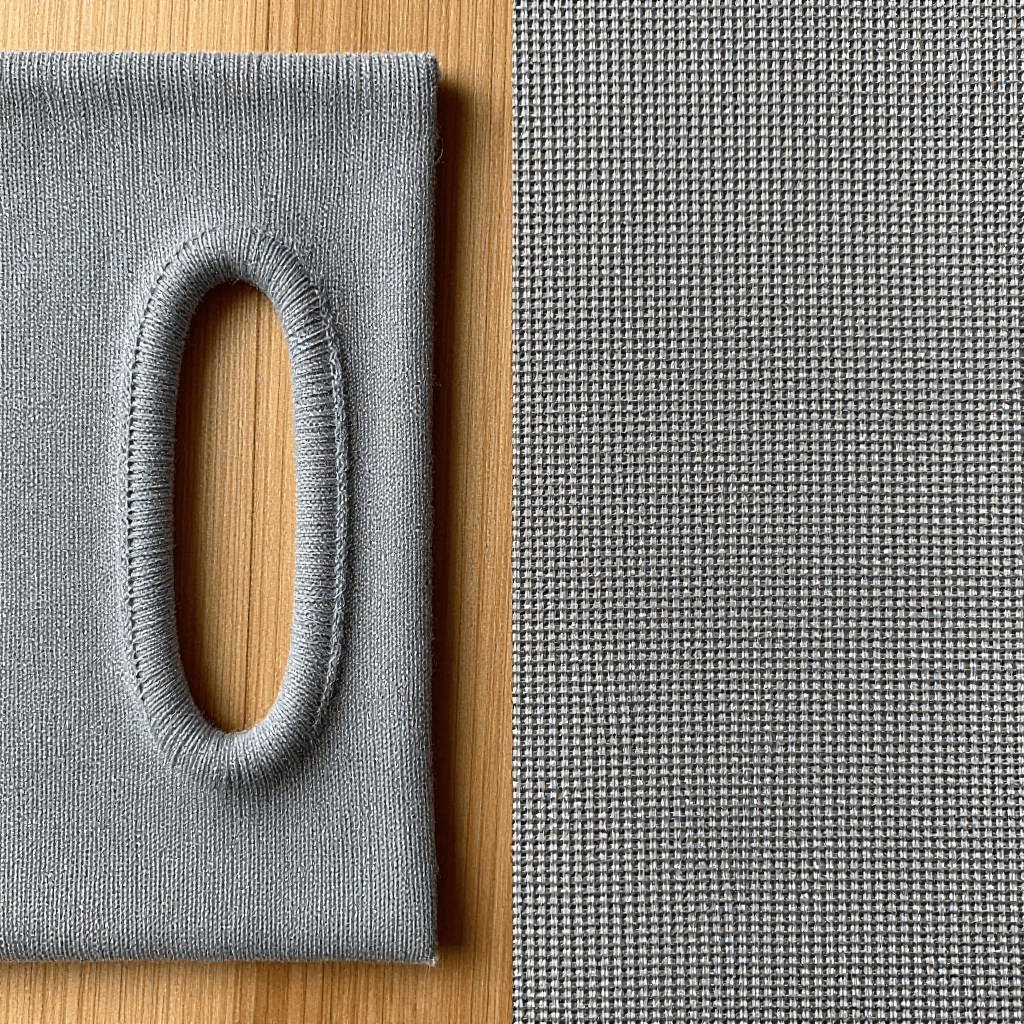
Material Selection and Sourcing Specifications
In the premium athleisure segment, technical product performance relies on precise raw material specifications. Sourcing teams designing mid-layer garments must specify wool fibre diameters with strict tolerances; utilizing superfine Merino wool of ≤18.5µm or fine Merino of ≤20µm ensures a soft hand-feel that eliminates the “itch factor” associated with medium wools (≤22µm). For ultra-premium collections, blending these fine wools with Cashmere Grade A (≤15.5µm) creates a fabric with exceptional thermal retention and recovery properties.
These premium yarns must be matched with the correct machine gauge to dictate weight and drape. Utilizing a 12GG to 18GG flatbed knitting machine allows for a highly structured, fine-gauge stitch suitable for lightweight, form-fitting shirts and base layers. For chunky, structured outerwear that mimics the protective qualities of wovens, a 3GG to 5GG range is optimal. In contrast, woven garments in the athleisure space—such as hybrid joggers or technical windbreakers—require a minimum woven order of 200 pieces to justify the warp setup on high-speed water-jet looms, where they achieve superior wind resistance compared to knit structures.
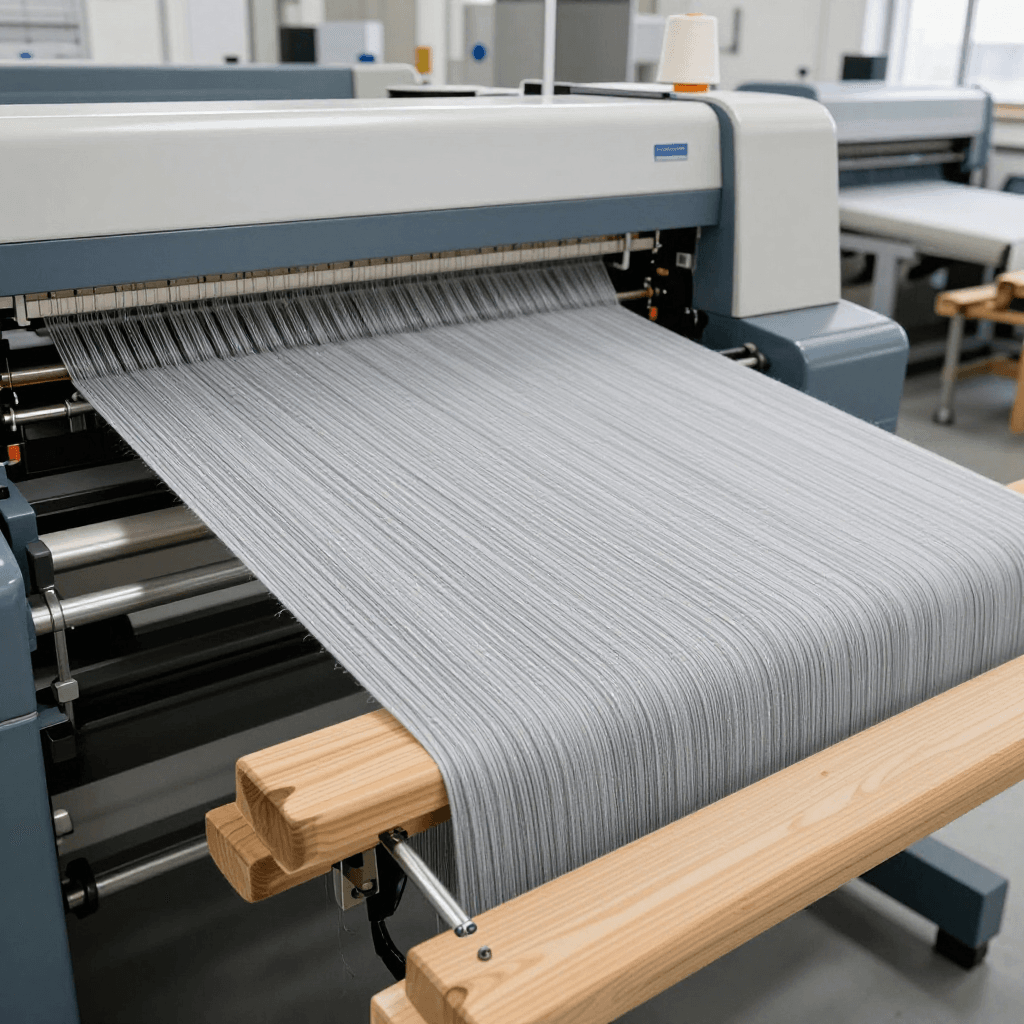
— as detailed in our article on The Role of Synthetic-Natural Blends in Durability.
Optimizing Sourcing Through Dual-Base Manufacturing
Navigating this split-production reality requires a highly coordinated supply chain that can manage both knit and woven structures simultaneously. For brands trying to avoid split-supplier complexity, dual-base garment manufacturing partners offer a streamlined pathway. Modern suppliers like Cogarm address these multi-material demands through a dual-base manufacturing model in Dongguan, utilizing a dedicated facility in Humen for precision cut-and-sew woven garments and a specialized base in Dalang for high-end computerized knitwear.
This geographical concentration allows procurement teams to develop technical hybrid collections—such as a jacket featuring a structured woven body paired with 12GG fine-gauge merino knit sleeves—without managing separate logistics channels. Sourcing specialists like Cogarm leverage Dalang’s advanced computerized flatbed knitting technology to offer competitive low-MOQ flexibility of 100 pieces per colour/style for knitwear and 200 pieces for woven garments. Furthermore, color continuity across these disparate materials is maintained through strict Pantone TCX matching protocols.
By integrating global compliance standards such as OEKO-TEX, GOTS (for organic cotton), GRS (for recycled wool), and BSCI directly into the product specifications when required by client specs, these dual-base hubs eliminate compliance risks before bulk raw materials are ever purchased. Sample lead times are kept to a reliable 15-20 days, with an additional 5-7 days for sourcing specialty yarn, ensuring fast-to-market prototyping for the 2026/2027 fashion cycles.
Athleisure Sourcing by Segment
Specify fine-gauge knitwear (12GG–18GG) utilizing superfine Merino wool (≤18.5µm) for next-to-skin thermal regulation and high-elongation active mid-layers. Specify structured woven synthetics (100–400 TPI) with integrated elastane for weather-resistant outerwear shell layers, commuter joggers, and high-abrasion reinforcement panels.
For a deeper dive, see Innovations in Water-Resistant Woven Finishes.
Frequently Asked Questions
Frequently Asked Questions
What are the sample lead times for custom Merino blend knitwear?
Standard sample development takes 15–20 days, with an additional 5–7 days required if custom specialty yarns must be spun or sourced.
How does machine gauge affect the weight and utility of the garment?
Machine gauges of 3GG–5GG produce heavy, chunky outerwear, 7GG–10GG yield versatile midweight mid-layers, and 12GG–18GG create lightweight, fine-gauge performance layers.
What are the minimum order quantities (MOQ) for technical knit vs woven garments?
Knitwear collections require a low MOQ of 100 pieces per colour/style, whereas technical woven garments require a minimum of 200 pieces per colour/style.
What quality assurance standards are applied to bulk production?
All finished garments undergo rigorous AQL 2.5 visual and dimensional inspections prior to packaging and dispatch.
Sourcing Execution for 2026/2027
Sourcing for the 2026/2027 athleisure market demands a balanced approach that respects the physical limitations and manufacturing realities of both knits and wovens. By specifying precise physical metrics—from yarn microns to loom densities—procurement managers can secure products that perform reliably in the field while maintaining predictable, cost-effective manufacturing schedules.
To ensure your next collection meets these precise technical benchmarks, request a technical knitwear or woven cutting sample with full fabric spec sheets and Pantone TCX matching data from Cogarm.
