

Managing parallel apparel lines requires orchestrating distinct raw materials, knitting gauges, and cut-and-sew workflows without compromising on-time delivery or quality. This article provides supply chain managers with a technical framework to synchronize knitwear and woven production, optimizing lead times and quality control metrics. By aligning design specifications with regional manufacturing capabilities, brands can mitigate sourcing bottlenecks and achieve predictable scaling.
Modern product teams face a major execution challenge. The rise of trans-seasonal collections demands that procurement managers source structured woven outerwear alongside delicate, high-gauge knitwear simultaneously, without exploding overhead or inventory carry costs. Brands like IKEA and Herman Miller have long mastered this type of parallel multi-category sourcing, coordinating complex hardware alongside technical textiles to maintain tight launch windows.
Failing to segment these product lines mathematically leads to operational drag. Woven garments rely on stable fabric rolls, pattern yield optimization, and complex seam construction, whereas knitwear production must calculate yarn shrinkage, gauge selection (from chunky 3GG to ultrafine 18GG), and tension variables. Managing both under a single, generic sourcing approach inevitably results in sample delays, mismatched color runs, and late deliveries.
(See our related guide: How to Manage Multiple Product Lines Simultaneously.)
This analysis details how to structure a multi-line sourcing strategy. You will learn how to optimize lead times, utilize regional cluster advantages, and implement rigorous QA parameters—such as AQL 2.5 standards and Pantone TCX matching—to keep parallel knit and woven lines running in absolute synchronization.
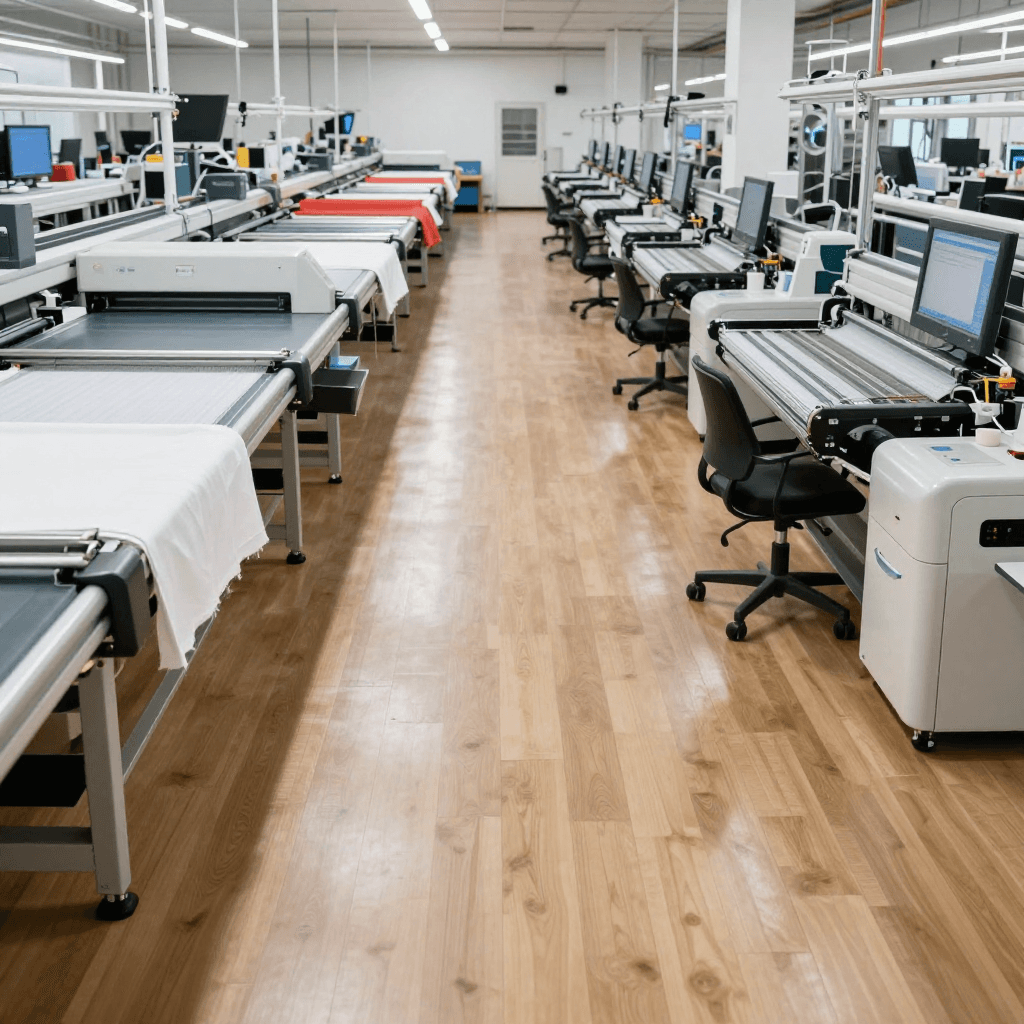
Relevant Standards and Specifications
In multi-line production, establishing strict raw material baselines prevents variance in the final product. For knitwear, the physical properties of the yarn determine the machine settings and final handfeel. Procurement teams must define micron thresholds for animal fibers, such as superfine Merino wool (≤18.5µm), fine Merino (≤20µm), or medium Merino (≤22µm), alongside Cashmere Grade A (≤15.5µm). These dimensions dictate whether a fiber can be processed on high-speed 12GG to 18GG fine flatbed knitting machines or if they require coarser 3GG to 5GG setups.
Woven lines require an entirely different set of technical parameters, focusing on fabric weight (grams per square meter or GSM), tensile strength, and warp/weft shrinkage tolerances. While a knitwear line calculates yarn-to-garment shrinkage based on relaxation washing, woven lines require predictable fabric stabilization before the automated cutting phase. Bridging both disciplines demands a unified color-matching standard; utilizing Pantone TCX (Cotton Extended) matching across all material types ensures that a woven polyester-blend utility jacket matches a 12GG merino-acrylic blend sweater down to a Delta E variance of less than 1.0.
Comparison of Knitwear vs. Woven Production Parameters
To manage both lines simultaneously, procurement managers must understand the distinct operational and technical profiles of flatbed knitwear versus cut-and-sew woven garments. While wovens excel in structural stability and wind resistance, knitwear offers superior elasticity and thermal management, though it demands more complex yarn sourcing.
The following comparative framework delineates the operational parameters governing knit and woven production lines. This data allows supply chain planners to build realistic critical paths, aligning the longer material acquisition timelines of technical yarns with the faster cut-and-sew cycles of woven fabrics.
for additional context.
| Manufacturing Metric | Flatbed Knitwear Production Line | Cut-and-Sew Woven Production Line |
|---|---|---|
| Target Gauge / Fabric Weight | 3GG to 18GG flatbed knit range | 100 to 450 GSM fabric weight range |
| Raw Material Input | Spooled yarn (15.5µm to 24µm diameter) | Woven fabric rolls (50m to 100m length) |
| Minimum Order Quantity (MOQ) | 100 pcs per style/color | 200 pcs per style/color |
| Sample Development Lead Time | 15–20 days (+5–7 days yarn sourcing) | 14–21 days standard fabric preparation |
| Bulk Production Cycle | 45–60 days post-sample approval | 35–50 days post-sample approval |
| Inspection Quality Level | AQL 2.5 standard (focus: knit tension) | AQL 2.5 standard (focus: seam slippage) |
| Standard Payment Terms | 30% deposit / 70% pre-shipment balance | 30% deposit / 70% pre-shipment balance |
| Color Match Tolerance | Delta E < 1.0 (Pantone TCX match) | Delta E < 1.0 (Pantone TCX match) |
The table reveals that knitwear demands a more front-loaded timeline, particularly when custom yarn blends (such as cashmere-merino, recycled wool, lambswool, cotton, modal, viscose, or LENZING ECOVERO) require specialized spinning. In contrast, woven lines require higher MOQs (200 pieces versus 100 pieces for knitwear) due to the minimum run requirements of industrial weaving looms, but they benefit from a slightly faster bulk sewing phase once the fabric rolls are delivered to the cutting table.
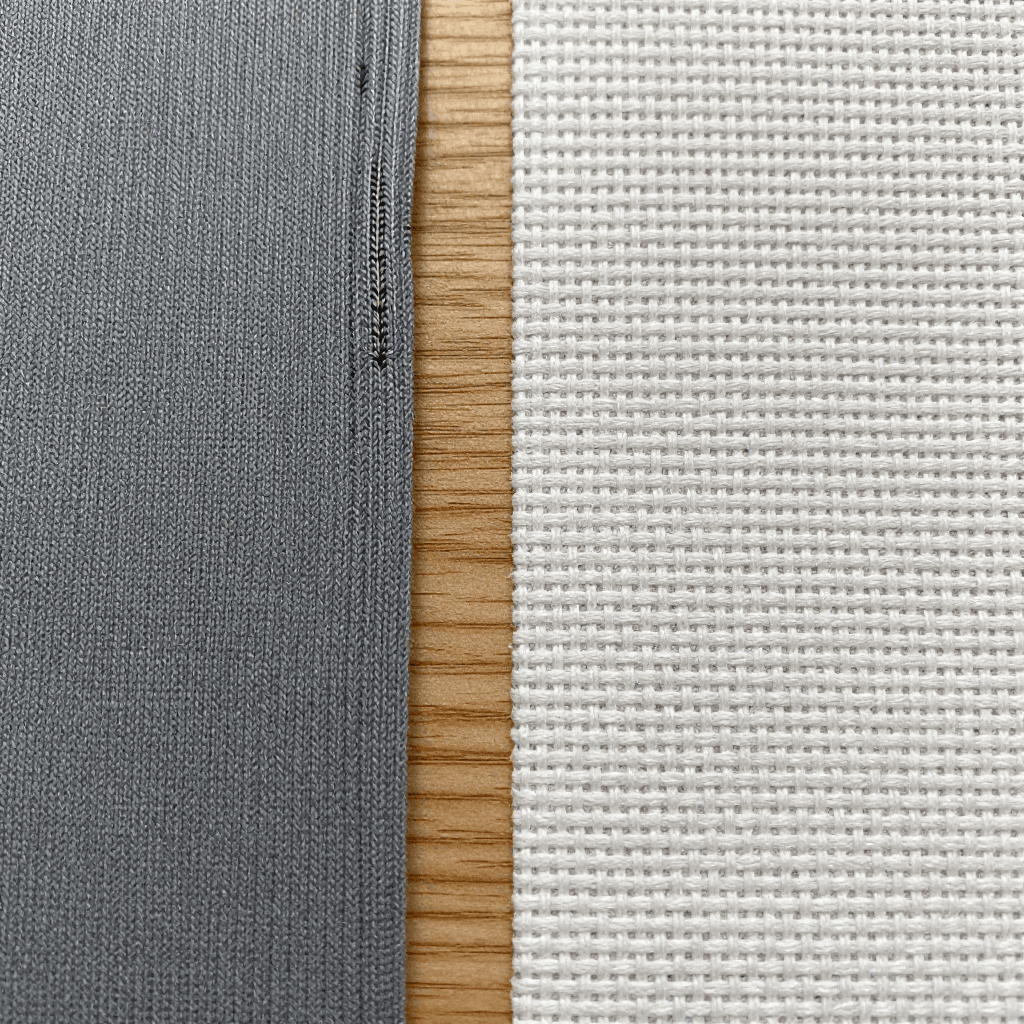
Product Use Cases and Applications
In real-world deployment, fashion brands often run cohesive collections that pair custom sweaters with structured pants. For instance, a retailer launching a trans-seasonal capsule may feature a premium 12GG midweight merino-acrylic blend sweater paired with a matching woven nylon-blend trench coat. Sourcing these through separate, uncoordinated factories often results in a color mismatch that violates brand guidelines. Suppliers like Cogarm solve this coordinating bottleneck by managing both lines under a single QA protocol, maintaining Pantone TCX color consistency across diverse fiber compositions.
For the knitwear component, selecting the correct yarn structure is vital for durability and pill resistance. A medium 12GG sweater utilizing 17-24µm Merino wool blended with acrylic offers high thermal efficiency and machine washability, making it ideal for corporate uniform programs. Woven garments, such as trousers or structured jackets, are concurrently processed with a minimum order quantity (MOQ) of 200 pieces, utilizing highly automated cutting systems that maximize fabric yield and keep waste below 5%.
By coordinating the sample development phase—which typically takes 15-20 days, plus an additional 5-7 days if custom yarns must be sourced—procurement teams can review pre-production samples of both the knit and woven items simultaneously. This synchronized approval kicks off the 45-60 day bulk production window for both lines, ensuring that the finished products arrive at the distribution center in a single shipping container, eliminating double-handling fees.
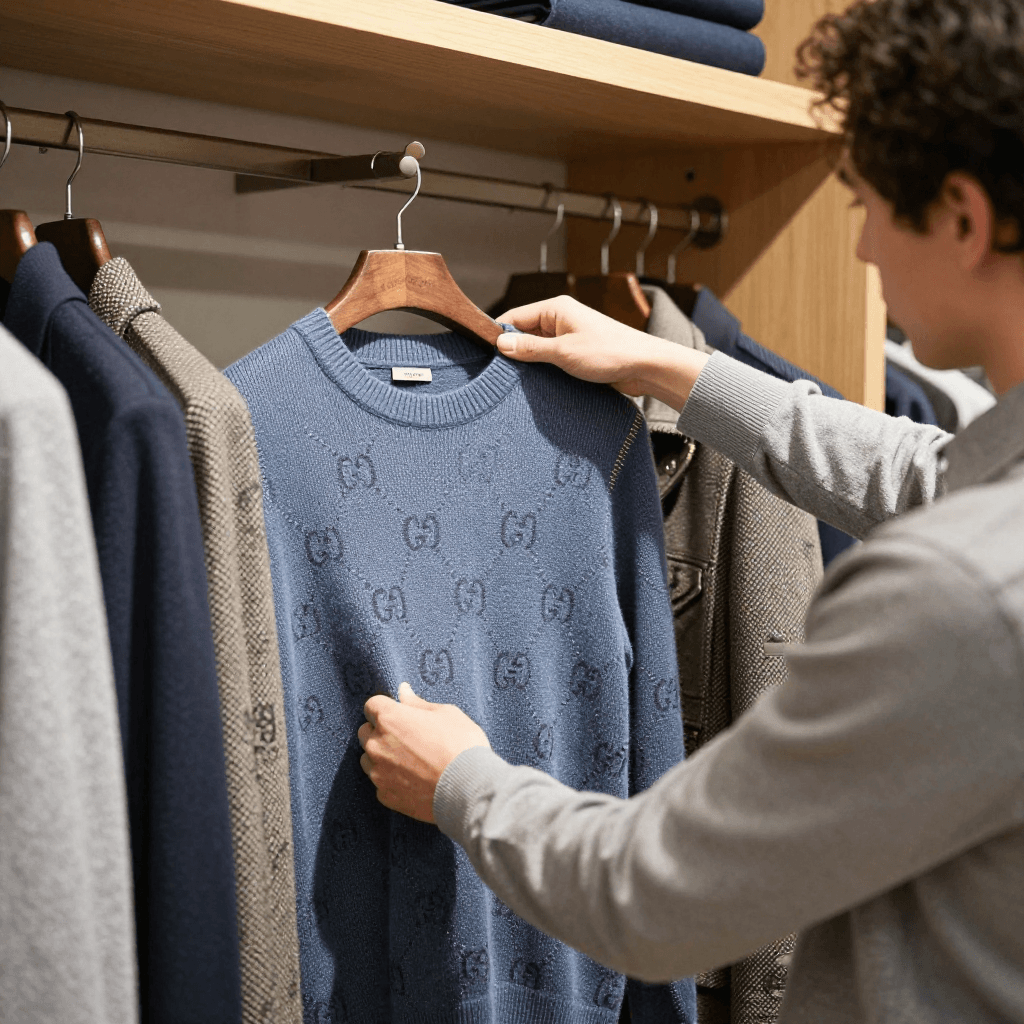
— as detailed in our article on Managing the Full Lifecycle in Our Dongguan Facilities.
Application Context
Integrating these two distinct production methods is particularly critical for high-end activewear, outdoor apparel, and luxury corporate merchandising. Outdoor brands, for example, require base layers made of superfine Merino wool (≤18.5µm) for moisture management, coupled with technical woven outer shells for wind protection. If these lines are sourced from disparate geographic clusters, the lead time lag can cause stockouts during peak winter seasons.
Furthermore, utilizing sustainable fibers like GOTS organic cotton, recycled wool (GRS), or LENZING ECOVERO requires strict chain-of-custody tracking. When managing multiple product lines, a unified compliance strategy prevents cross-contamination of fibers and simplifies the auditing process. This ensures that both the knit and woven components of a collection can carry certified environmental claims without complex, multi-vendor certification tracing.
Supplier Solution
To successfully execute a dual-line sourcing strategy, buyers benefit from partners with specialized, geographically optimized infrastructure. Manufacturers like Cogarm utilize a dual-base manufacturing model in Dongguan, China, to address these parallel needs: the Humen base specializes in high-speed, precision cut-and-sew for woven garments, while the Dalang base serves as a dedicated hub for premium knitwear. This proximity allows for real-time collaboration and unified quality control, ensuring that woven and knitted components of the same collection undergo synchronized Pantone TCX matching.
This dual-base setup also provides the flexibility needed to manage inventory risk. With an MOQ of 100 pieces per color/style for knitwear and 200 pieces for woven garments, brands can test regional markets with limited runs before committing capital to massive production cycles. Production runs are strictly governed by AQL 2.5 inspection standards, covering everything from yarn tension in 3GG-18GG machinery to seam strength in woven utility wear.
Additionally, the financial structure is designed to align with buyer cash-flow cycles, utilizing a standard 30% deposit and 70% balance payment before shipment. This transparent framework, combined with global compliance standards (such as OEKO-TEX, GOTS, GRS, and BSCI integrated when required by client specifications), provides a low-risk pathway for brands to scale their multi-line offerings seamlessly.
Multi-Line Production Framework
Specify flatbed knitwear (3GG to 18GG) utilizing superfine Merino wool or cashmere-merino blends for form-fitting, thermal-regulating mid-layers and premium corporate apparel. Specify structured woven garments (MOQ 200 pcs) for wind-resistant outerwear, utility pants, and high-durability uniforms requiring precise pattern cutting and high seam strength.
For a deeper dive, see How to Scale Production without Sacrificing Quality.
FAQ
Frequently Asked Questions
What is the typical development timeline for a mixed knit and woven order?
Knitwear samples require 15-20 days, plus 5-7 days if specialized yarn is sourced, while woven samples take 14-21 days; bulk production for both lines is completed within 45-60 days of sample approval.
How do you prevent color drift between wool-blend knits and synthetic-blend wovens?
All fibers are matched against the Pantone TCX color system, with lab dips evaluated under standardized D65 light sources to maintain a Delta E color variance of less than 1.0.
What are the minimum order quantities (MOQs) for mixed-material collections?
The production baseline is set at 100 pieces per color/style for knitwear and 200 pieces per color/style for woven garments to optimize raw fabric yields and machine setups.
Which knitwear gauge is best for lightweight, trans-seasonal sweaters?
A 12GG to 18GG fine gauge setup is ideal for lightweight sweaters, utilizing 17-24µm superfine Merino wool or LENZING ECOVERO blends to achieve a sleek, high-drape finish.
Managing Multiple Apparel Product Lines
Navigating the complexities of parallel knit and woven lines requires a disciplined approach to material specs, regional supplier clustering, and synchronized production calendars. By matching the structural strengths of Humen-based cut-and-sew operations with the specialized knitting capabilities of Dalang, procurement managers can successfully launch multi-product apparel lines with minimal lead-time variance and guaranteed color consistency.
Optimize your upcoming collection by working with an integrated production partner. Request a custom knitwear yarn card or woven fabric sample swatch with full Pantone TCX matching data from Cogarm.
