

Garment Manufacturing: Why 100-Unit MOQs Win Projects
This article explores why volume flexibility in garment manufacturing has become a critical strategic advantage for procurement managers looking to mitigate inventory risk. By analyzing the structural differences between flexible mid-scale production and rigid high-volume runs, supply chain decision-makers will learn how to optimize lead times, lower initial capital expenditure, and scale programs without sacrificing product quality.
The paradigm of modern retail sourcing has shifted permanently. Legacy supply chain models that demanded massive upfront volume commitments to secure acceptable unit economics are collapsing under the weight of market volatility. Today, global leaders across consumer and design sectors—from precision manufacturers with its precision accessories to IKEA with its rapid-turn seasonal home textiles—prioritize supply chain elasticity over raw, monolithic scale. The ability to deploy capital efficiently while maintaining the capability to test, iterate, and scale is no longer a luxury; it is a baseline requirement for survival.
(See our related guide: Streamlining Communication for Remote B2B Clients.)
For procurement managers overseeing apparel production, this shift requires a complete re-evaluation of supplier relationships. Relying on rigid, high-minimum factories forces brands into a dangerous guessing game of seasonal forecasting up to nine months in advance. When a design fails to catch on, companies are left with millions of dollars in dead inventory; when a design succeeds, rigid suppliers are often too slow to replenish, leading to missed revenue windows.
To navigate this landscape, procurement teams must look toward agile manufacturing hubs that can handle both low-volume product validation and high-volume scaling. By leveraging manufacturers with lower minimum order quantities (MOQs) and rapid sample development cycles, brands can transition to a demand-driven replenishment model, ensuring capital remains highly liquid and market-responsive.
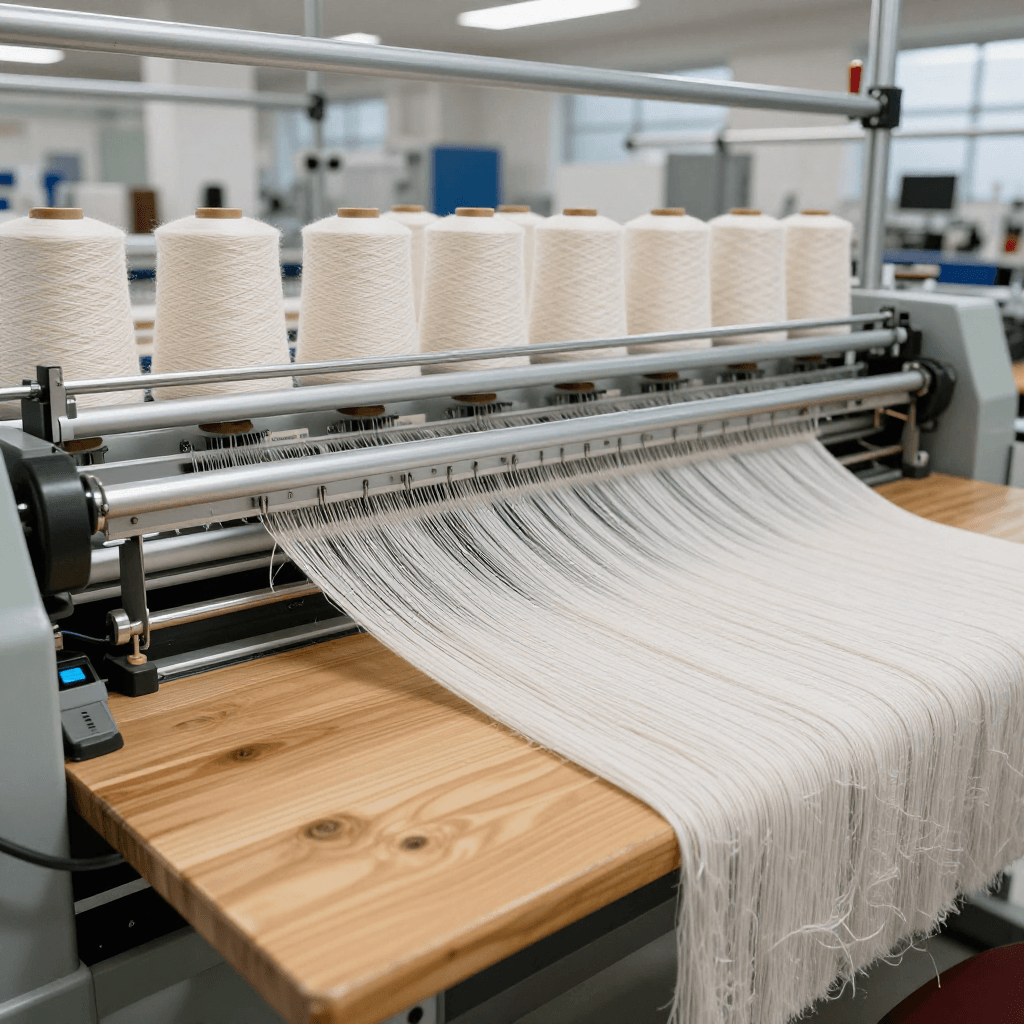
Technical Performance and Operational Parameters
Evaluating a factory’s true flexibility requires comparing structural, financial, and material tolerances. A supplier that claims to be “flexible” but cannot maintain color consistency at low volumes or lacks the tooling to handle multiple knitting gauges will ultimately stall a project.
The table below contrasts the technical and procurement specifications of flexible low-volume production against traditional rigid mass-production environments.
Read more about Improving Production Efficienc for additional context.
| Technical Parameter | Flexible Low-Volume Knitwear/Woven | Rigid High-Volume Mass Production |
|---|---|---|
| Minimum Order Quantity (MOQ) | 100 pcs/color/style (knit) / 200 pcs (woven) | 1,000+ pcs/color/style |
| Sample Development Lead Time | 15–20 days (+ 5–7 days for sourced yarn) | 30–45 days standard |
| Bulk Production Lead Time | 45–60 days from sample approval | 90–120 days from purchase order |
| Fiber Diameter Range | 17–24µm Merino, Grade A Cashmere (≤15.5µm) | Standard commercial wool (>24µm) |
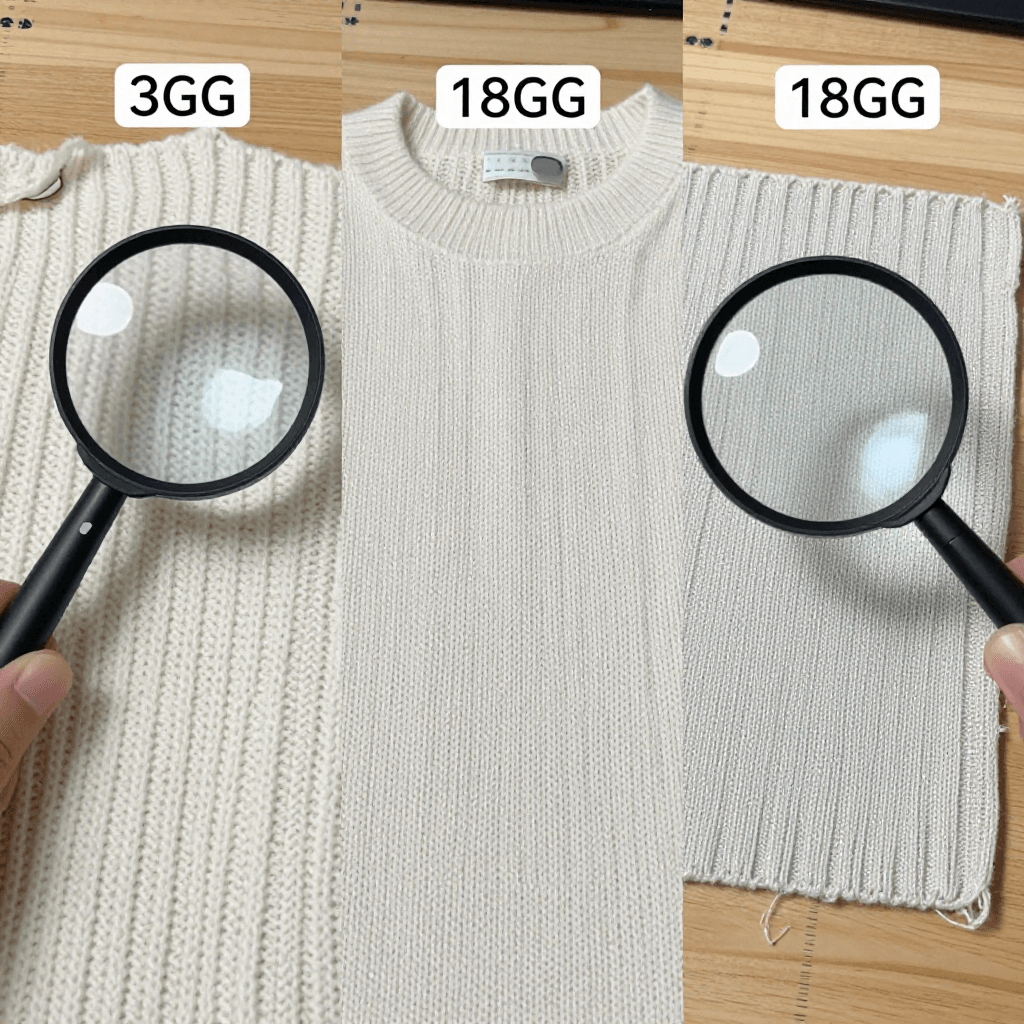
| Knitting Gauge Range | 3GG to 18GG (3-5GG chunky, 7-10GG, 12-18GG) | Fixed 12GG or 14GG setups only |
| Color Matching Tolerance | Pantone TCX matching (Spectrophotometer ΔE ≤ 1.0) | Standard lab dips (Visual match, ΔE ≤ 2.0) |
| Quality Inspection Standard | AQL 2.5 finished goods inspection | AQL 4.0 or container-level statistical sampling |
| Financial Deposit Structure | 30% deposit + 70% before shipment | 50% deposit + 50% letter of credit at sight |
This comparative data illustrates that flexible production models do not sacrifice technical precision. By maintaining a tight tolerance on color matching (Pantone TCX matching with low ΔE deviation) and strict adherence to AQL 2.5 inspection standards, flexible manufacturers ensure that low-volume product runs match the quality of premium tier-one mass production while significantly compressing lead times.
Custom Material Specifications and Application Cases
Achieving true versatility in custom apparel production requires deep expertise in both fiber selection and machinery setup. In the knitwear sector, this is defined by the gauge range—from heavy, chunky 3GG-5GG knits to ultra-fine 12GG-18GG sweaters. Each gauge demands specific yarn blends to ensure structural integrity, hand-feel, and drape.
Sourcing from nimble partners like Cogarm allows brands to test the market with an initial 100-piece run of premium, technical garments before scaling. This is particularly valuable when working with high-cost natural fibers where raw material investment is high:
- Superfine Merino Wool (≤18.5µm): Ideal for lightweight, active-wear base layers or fine 18GG corporate knitwear. Its tight fiber diameter prevents itching and provides natural thermal regulation.
- Grade A Cashmere (≤15.5µm): Sourced for luxury capsule collections in 12GG fine-knit structures, where tactile premium quality is the primary selling point.
- Merino/Acrylic/Cotton Blends: A high-durability, cost-efficient blend engineered for midweight 7-10GG everyday sweaters. The acrylic-cotton matrix minimizes shrinkage while retaining the thermal performance of merino.
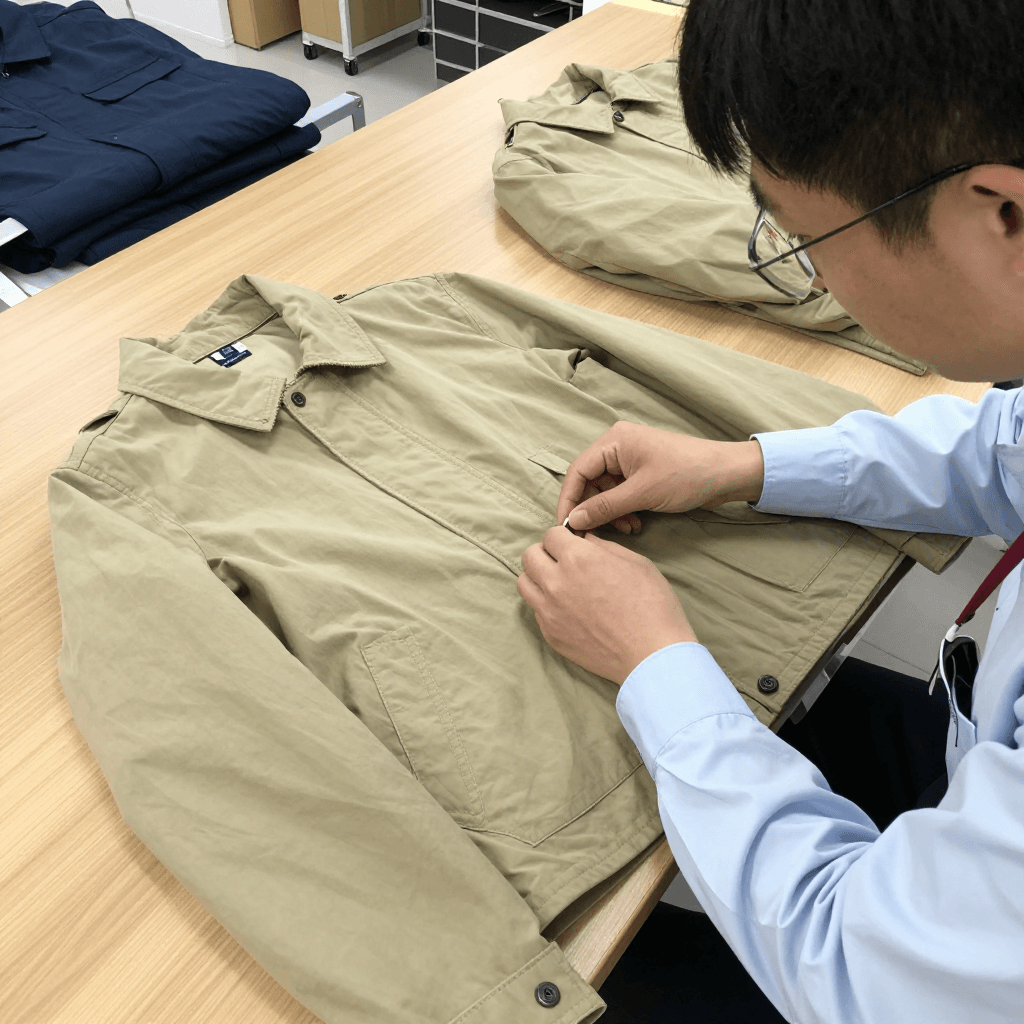
— as detailed in our article on Designing for Manufacturability (DFM) in Clothing.
For woven garments, where the MOQ is typically set at 200 pieces, flexibility allows brands to introduce complex structural designs—such as technical outerwear or tailored trousers—using advanced materials like GOTS organic cotton, recycled wool (GRS), modal, viscose, or LENZING ECOVERO. Testing these premium materials in low quantities ensures that consumer fit and fabric drape are validated before committing capital to multi-thousand-unit production runs.
Regional Sourcing Strategy and Supplier Integration
Managing a flexible supply chain also requires geographic and industrial optimization. In the textile manufacturing hub of Guangdong, China, this is best achieved through concentrated dual-base manufacturing clusters.
Suppliers like Cogarm manage this complexity through dual-base manufacturing: utilizing Humen for precision cut-and-sew woven garments and Dalang for premium, highly technical knitwear. This localized split-base approach allows raw materials, yarns, and components to be sourced, knitted, dyed, and shipped within a tight geographic radius, cutting down logistics lead times to a fraction of traditional overseas sourcing models.
By consolidating production within these specialized regional bases, buyers benefit from compressed development cycles—such as a 15–20 day sample lead time—and a highly streamlined path from initial CAD design to the final shipping container. When a brand requires specific sustainability verifications, global compliance standards (such as OEKO-TEX, GOTS, GRS, and BSCI) can be seamlessly integrated into the production run based on the client’s strict specifications. This ensures complete traceability without overloading the logistics pipeline.
For a deeper dive, see Trends in Minimalist Apparel Design.
Volume Flexibility as a Selection Criterion
Specify Flexible Low-Volume Production (MOQs of 100–200 pcs) for high-margin capsule collections, seasonal market testing, and premium knitwear programs using high-value fibers like ≤15.5µm Grade A cashmere. Specify Rigid High-Volume Production (MOQs of 1,000+ pcs) for basic, non-seasonal core programs with highly predictable demand curves and standardized, synthetic yarn blends.
FAQ
Frequently Asked Questions
What is the typical turnaround time for a custom yarn sample?
Custom sample development requires 15–20 days, with an additional 5–7 days if the specific custom yarn blend must be sourced or custom-spun.
How is color consistency maintained across low-volume orders?
Color consistency is managed through precise Pantone TCX matching, verified using electronic spectrophotometers to keep the color variance (ΔE) under strict commercial limits.
Can a single factory handle both heavy knitwear and fine woven garments?
Yes, high-capability suppliers leverage specialized dual-base facilities—such as Dalang for 3GG-18GG knitwear and Humen for precision cut-and-sew wovens—to ensure expert handling of both product classes.
What quality standard is applied to short-run production batches?
Short-run production is held to the same rigorous quality benchmarks as high-volume orders, utilizing standard AQL 2.5 finished goods inspections prior to dispatch.
Strategic Procurement Framework
Successfully managing modern apparel procurement requires balancing initial risk with long-term scalability. By establishing a sourcing pipeline that leverages low-MOQ flexibility for design validation, brands can safely navigate volatile consumer trends, protect their cash flow, and rapidly double-down on proven market winners.
Request a custom yarn and knit swatch sample kit with full GOTS/GRS compatibility data from Cogarm to evaluate material quality and hand-feel before committing to bulk production.
