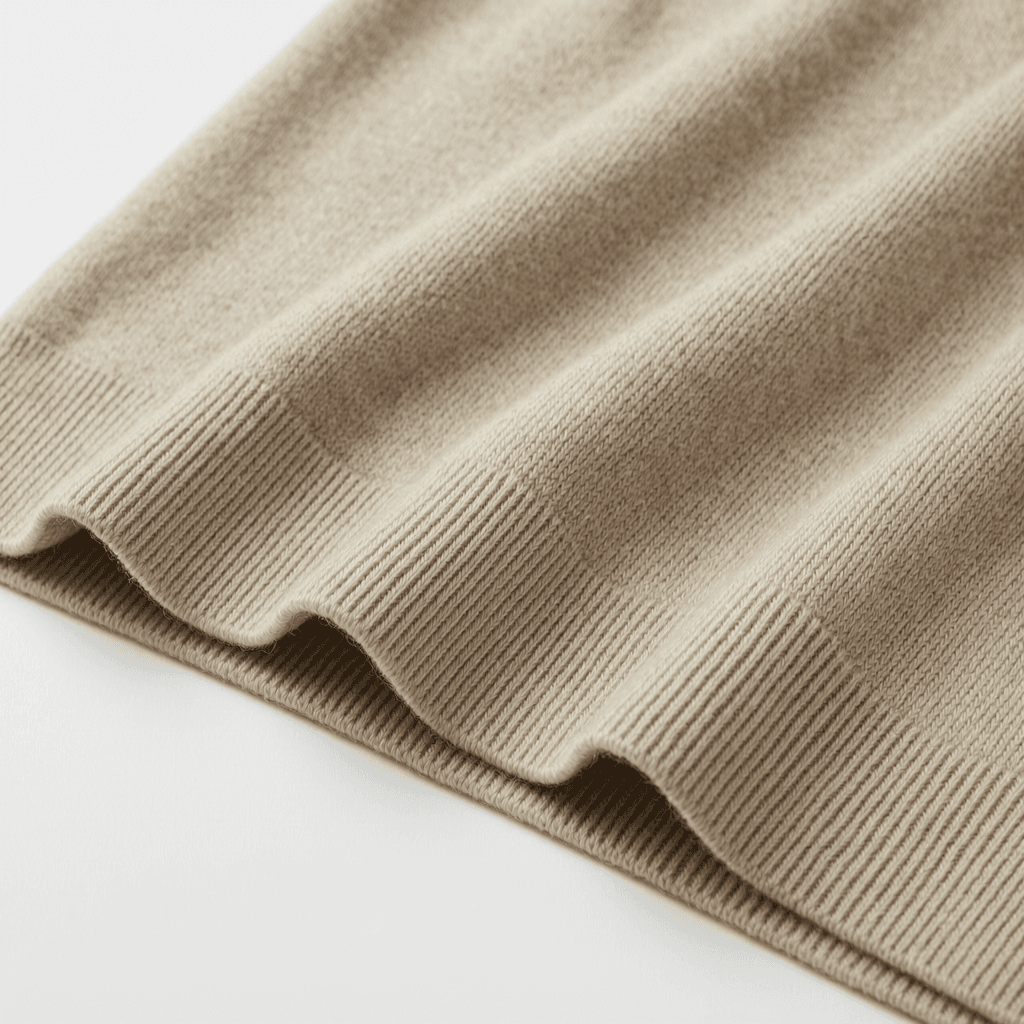

Dimensional instability is the silent killer of margin in custom apparel, turning high-quality prototypes into unsellable inventory upon first wash. For procurement managers sourcing knitwear and woven garments, understanding the mechanics of fiber relaxation and residual tension is critical to mitigating returns and chargebacks. This guide provides a data-driven framework for evaluating supplier capabilities in shrinkage control, ensuring that technical specifications translate into consistent commercial performance.
The Hidden Cost of Dimensional Instability in Apparel Sourcing
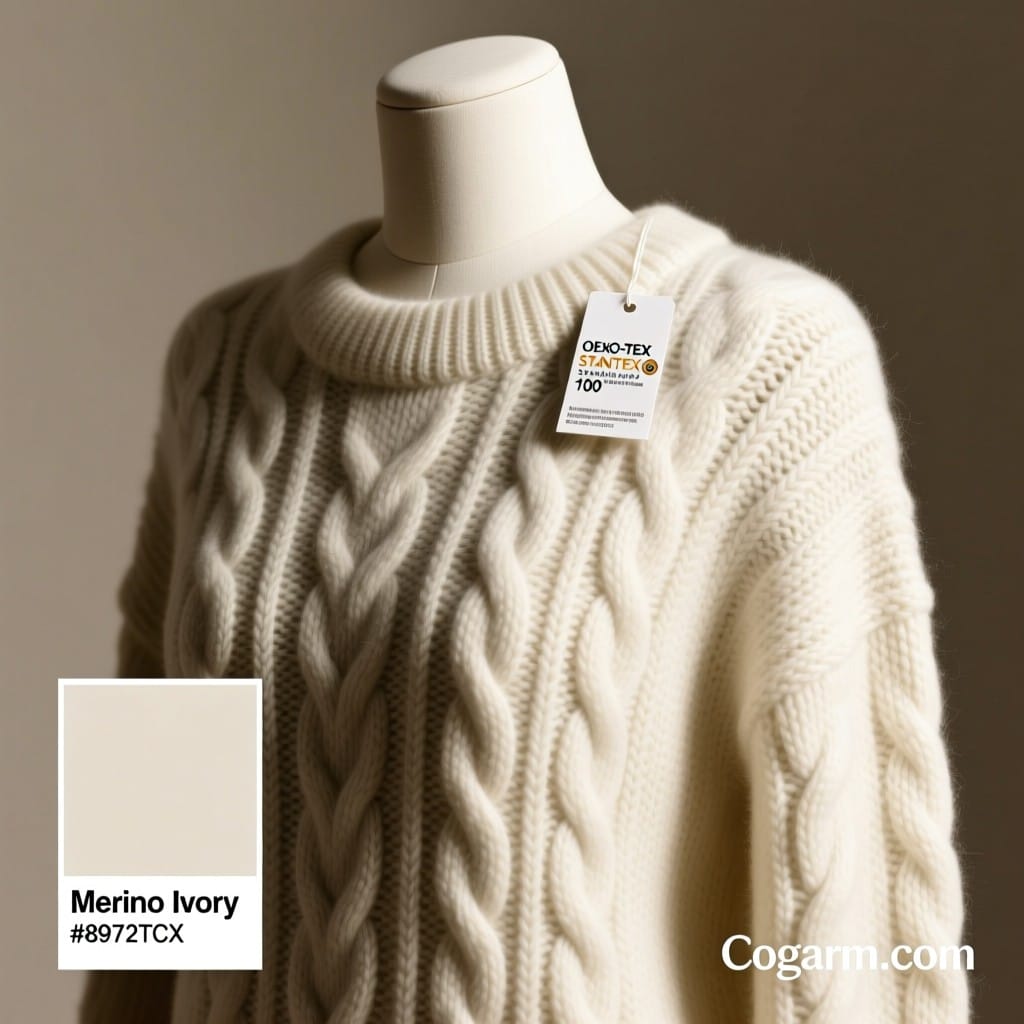
In the fast-paced world of fashion retail, dimensional stability is often overlooked during the sampling phase, only to become a catastrophic quality failure during bulk production. Major retailers like IKEA have strict vendor compliance manuals because even a 3% deviation in garment length can disrupt automated sorting systems and lead to massive customer dissatisfaction. When a merino wool sweater shrinks beyond its tolerance, it is not just a fit issue; it is a supply chain disruption that forces costly rework or total write-offs.
The root cause often lies in the mismatch between fiber selection and finishing processes. Natural fibers like cotton and wool possess inherent hygroscopic properties that cause them to swell and contract with moisture changes, while synthetics like acrylic rely on heat setting for stability. A supplier who treats all fabrics with a generic finishing protocol will inevitably fail to meet the rigorous demands of technical fabric production. Buyers must evaluate whether their manufacturing partner understands the specific relaxation behaviors of each material blend, from superfine merino (≤18.5µm) to GOTS-certified organic cotton.
(See our related guide: The Science Behind Dimensional Stability in Fabrics.)
Technical Benchmarks for Fiber Relaxation and Recovery
To effectively manage shrinkage, procurement teams must move beyond vague “high quality” claims and demand specific technical benchmarks. The industry standard for acceptable shrinkage in premium knitwear is typically ±3-5% after one home wash, but this varies significantly by fiber type. For instance, U.S. cotton fiber has a cradle-to-gate fossil carbon dioxide equivalent emission of 1.45 kg CO₂e per kilogram, but its dimensional stability requires careful mechanical compaction during knitting to prevent excessive relaxation.
When evaluating suppliers, ask for their specific protocols for different gauge ranges. A 7-10GG midweight sweater requires different tension settings than a 12-18GG fine gauge piece. Suppliers who utilize computerized flat knitting machines can program stitch density to pre-compensate for expected relaxation, a technique that is far superior to post-production chemical finishing alone. Furthermore, the use of blended yarns, such as wool-acrylic or cashmere-merino, introduces complex interaction effects where the synthetic component can help lock the natural fiber in place, provided the heat-setting temperature is precisely controlled.
| Parameter | Natural Fiber (Merino/Cotton) | Synthetic Blend (Acrylic/Wool) | Technical Requirement |
|---|---|---|---|
| Acceptable Shrinkage | ±3-5% (Length/Width) | ±2-3% (Length/Width) | AQL 2.5 Inspection Standard |
| Fiber Diameter | 17-24µm (Merino) | N/A (Denier based) | Superfine ≤18.5µm for premium |
| Gauge Range | 7-12GG Optimal | 3-18GG Variable | 7-10GG for midweight stability |
| Moisture Regain | High (Hygroscopic) | Low (Hydrophobic) | Requires steam relaxation |
| Heat Setting Temp | Low (Risk of Felting) | High (Required for Set) | Precise thermal control needed |
| Sample Lead Time | 15-20 Days + Yarn Sourcing | 15-20 Days + Yarn Sourcing | Critical for prototype validation |
| MOQ Flexibility | 100 pcs/color/style | 100 pcs/color/style | Enables low-risk testing |
| CO₂e Emissions | 1.45 kg/kg (Cotton Cradle-to-Gate) | Varies by Recycled Content | GRS Certified options available |
This comparison highlights that natural fibers require more aggressive mechanical compaction and careful washing protocols, while synthetics demand precise thermal management. A supplier’s ability to navigate these differences is a key indicator of their technical maturity in garment manufacturing.
Read more about Quality Control Protocols for for additional context.
Operationalizing Stability: The Dual-Base Advantage
Achieving consistent shrinkage control requires tight integration between knitting and cut-and-sew operations. Cogarm’s dual-base manufacturing model in Dongguan exemplifies this approach by housing premium knitwear production in Dalang and cut-and-sew operations in Humen. This geographical proximity allows for immediate feedback loops; if a knitted panel shows signs of excessive relaxation during the cutting phase, adjustments can be made to the knitting tension parameters in real-time, rather than waiting for weekly reports from disparate factories.
For buyers, this integrated workflow reduces the risk of dimensional drift during the critical transition from fabric to finished garment. Cogarm supports this with a sample lead time of 15-20 days, allowing for rigorous wash-testing of prototypes before bulk production begins. With an MOQ flexibility of 100 pieces per color and style, brands can run pilot batches to validate shrinkage performance in real-world conditions without committing to massive inventory risks. This agility is essential for managing the variability inherent in natural fibers like cashmere (Grade A ≤15.5µm) and recycled wool.
Strategic Sourcing for Dimensional Confidence
When selecting a partner for custom apparel, prioritize suppliers who offer transparent data on their finishing processes. Request AQL 2.5 inspection reports that specifically detail dimensional measurements before and after washing. Verify that they can match Pantone TCX colors accurately, as dyeing processes can also impact fiber swelling and shrinkage. By focusing on these technical details, you move from a transactional relationship to a strategic partnership that safeguards your brand’s reputation for quality.
— as detailed in our article on How to Prototype Technical Apparel Effectively.
FAQ
Frequently Asked Questions
What is the standard acceptable shrinkage rate for premium knitwear?
Industry standard for premium knitwear is typically ±3-5% for length and width after one home wash, verified via AQL 2.5 inspection protocols.
How does fiber diameter affect shrinkage in merino wool?
Finer fibers (≤18.5µm superfine) are more prone to felting and shrinkage if not mechanically compacted correctly during knitting and finishing.
Why is a dual-base manufacturing model beneficial for quality control?
It allows for immediate feedback between knitting and cut-and-sew stages, enabling real-time adjustments to tension and reducing dimensional drift.
For a deeper dive, see Technical Challenges in Combining Denim with Knits.
What is the typical sample lead time for validating shrinkage?
Expect 15-20 days for sampling plus 5-7 days for sourced yarn, allowing sufficient time for wash-testing and prototype validation.
How does MOQ flexibility support risk management in new fabric trials?
An MOQ of 100 pieces per style allows brands to run pilot batches to test dimensional stability without committing to large-scale inventory risks.
Next Steps for Procurement Teams
Do not rely on generic quality assurances when sourcing technical fabrics. Instead, demand data-driven proof of dimensional stability through rigorous prototype testing. Request a marker efficiency simulation and a detailed wash-test report from any supplier you are evaluating, ensuring their processes align with your specific fiber requirements. By prioritizing suppliers who demonstrate technical mastery over shrinkage mechanics, you secure a supply chain that delivers consistency, quality, and commercial reliability.