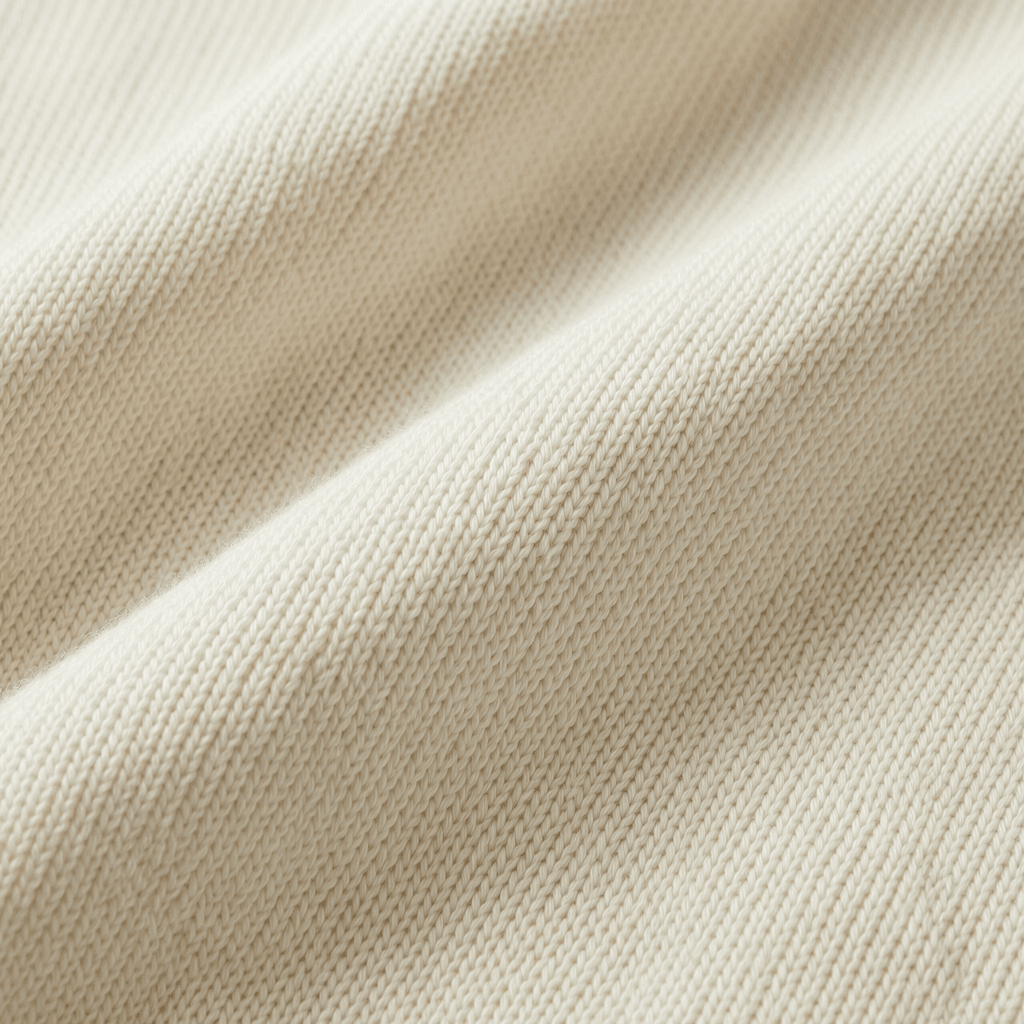

Finishing is the silent architect of perceived value in apparel production, transforming raw textiles into luxury goods through precise tactile and visual refinement. For procurement managers, understanding these technical nuances is critical, as finishing protocols directly dictate return rates, brand reputation, and final unit cost. This guide provides a data-driven framework for evaluating garment manufacturing partners, ensuring that surface treatments align with both aesthetic goals and supply chain realities.
The Economics of Surface Refinement in Apparel Production
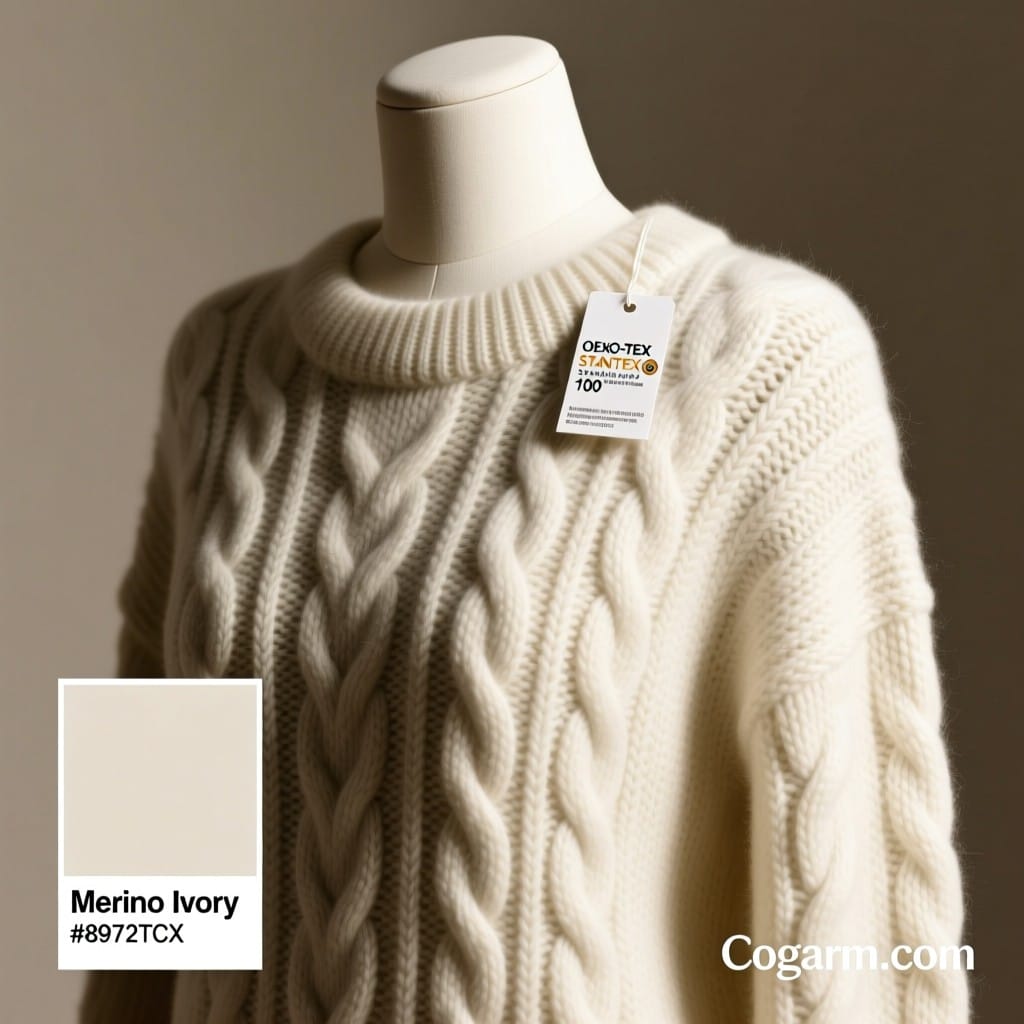
In high-end retail, the difference between a standard wholesale item and a premium product often lies not in the base material, but in the post-production treatment. Consumers have been conditioned to expect flawless surface integrity, an expectation that has migrated rapidly into fashion. A sweater with poor pilling resistance or a woven shirt with inconsistent hand-feel fails this scrutiny immediately, regardless of the fiber quality.
For buyers, the challenge is quantifying these qualitative attributes. Advanced finishing is not merely cosmetic; it is a risk mitigation strategy. Proper enzyme washing, for instance, can reduce shrinkage variance to within ±3%, significantly lowering the rate of size-related returns. Conversely, skipping these steps to cut costs often results in higher downstream losses. Evaluating a clothing factory requires looking beyond the stitch count to the chemical and mechanical processes applied after the garment leaves the sewing line.
(See our related guide: The Role of Computerized Flat-Bed Knitting in Modern Fashion.)
Technical Benchmarks for Knitwear and Woven Finishes
When sourcing custom apparel, buyers must specify finishing standards that match the intended use case. The following benchmarks distinguish commodity production from premium garment manufacturing.
| Finishing Parameter | Standard Commercial Grade | Premium/Luxury Grade | Measurement Method/Standard |
|---|---|---|---|
| Pilling Resistance | Grade 3 (Moderate pilling) | Grade 4-5 (No/Slight pilling) | ASTM D3512 / ISO 12945-2 |
| Shrinkage Tolerance | ±5% after 1 wash | ±3% after 3 washes | AATCC 135 / ISO 6330 |
| Color Fastness (Wash) | Grade 3-4 | Grade 4-5 | AATCC 61 / ISO 105-C06 |
| Seam Slippage | > 0.75 inches | < 0.5 inches | ASTM D434 |
| Fabric Hand Feel | Stiff/Chemical residue | Soft/Natural hand | Subjective Panel + Martindale |
| Garment Skewing | Up to 5% | < 3% | ASTM D3882 |
| Spirality (Knits) | > 5% distortion | < 3% distortion | Visual/AATCC 179 |
| Odor Rating | Noticeable chemical scent | Odorless/Neutral | AATCC Evaporation Test |
The data above illustrates that premium finishing requires tighter tolerances across multiple vectors. For example, achieving Grade 4-5 pilling resistance on acrylic blends often requires specialized anti-pilling enzymes and mechanical brushing, processes that add time but drastically extend garment life. Similarly, controlling spirality in single jersey knits to under 3% demands precise tension control during knitting and relaxed finishing protocols, rather than aggressive stretching.
Strategic Sourcing: Dual-Base Manufacturing Models
The complexity of advanced finishing often necessitates a split in manufacturing capabilities. A single facility rarely excels at both high-volume cut-and-sew operations and delicate knitwear finishing. This is where dual-base manufacturing models offer a strategic advantage. By separating these functions, suppliers can optimize equipment and expertise for each stage of apparel production.
Read more about Understanding Garment Grading for additional context.
Suppliers like Cogarm exemplify this approach by maintaining distinct facilities in Dongguan: a Humen base for cut-and-sew woven garments and a Dalang base dedicated to premium knitwear. This geographic and operational separation allows for specialized finishing lines. The Dalang facility, for instance, can focus on the nuanced requirements of Merino and Cashmere blends, such as low-temperature washing and gentle drying to preserve fiber integrity within the 17-24µm range. Meanwhile, the Humen base handles the rigorous pressing and packaging standards required for woven structures.
This model also impacts lead times and flexibility. With dedicated lines, sample leads can be compressed to 15-20 days, allowing for faster iteration on finishing techniques. For buyers, this means you can test a specific enzyme wash on a small batch before committing to full production, reducing the risk of bulk failure.
Environmental Impact and Material Integrity
Finishing processes are increasingly scrutinized for their environmental footprint. The cradle-to-gate fossil carbon dioxide equivalent emissions for U.S. cotton fiber are estimated at 1.45 kg CO₂e per kilogram, while net cradle-to-gate emissions can reach -0.264 kg CO₂e per kilogram when accounting for carbon sequestration in the fiber itself. However, aggressive chemical finishing can negate these benefits.
— as detailed in our article on How Laser Cutting Improves Accuracy in Complex Patterns.
Procurement managers should prioritize suppliers who integrate Global compliance standards such as OEKO-TEX, GOTS, and GRS into their finishing workflows. These certifications ensure that the chemicals used in softening, washing, and dyeing do not introduce hazardous substances into the supply chain. For example, using recycled wool (GRS certified) requires careful finishing to avoid damaging the shorter fibers inherent in recycled materials. A supplier’s ability to maintain AQL 2.5 inspection standards while adhering to these environmental protocols is a key indicator of operational maturity.
Evaluation Framework for Buyers
When vetting potential partners for custom apparel, use the following checklist to assess their finishing capabilities:
- Request Process Maps: Ask for a detailed flowchart of their finishing process, including water temperature, chemical types, and drying methods.
- Verify Testing Protocols: Ensure they conduct internal testing for pilling, shrinkage, and color fastness before shipment.
- Assess Flexibility: Confirm MOQ flexibility (e.g., 100 pcs for knitwear) to allow for pilot runs of new finishing techniques.
- Check Traceability: Demand Chain of Custody documentation for any certified materials (GOTS, GRS) used in the finishing process.
- Evaluate Sample Quality: Use the 15-20 day sample window to rigorously test the hand-feel and durability of the finished product against your benchmarks.
Frequently Asked Questions
What is the optimal gauge for premium Merino sweaters?
For premium applications, 7-12GG is optimal as it balances drape and durability, allowing for effective finishing without compromising the fiber’s natural softness.
For a deeper dive, see Why Factory Floor Layout Matters for Turnaround Time.
How does dual-base manufacturing affect lead times?
It typically stabilizes lead times by preventing bottlenecks; specialized facilities like Cogarm’s Dalang knitwear base can process samples in 15-20 days independently of woven production schedules.
What is the acceptable shrinkage rate for high-end knitwear?
Premium standards dictate a shrinkage tolerance of ±3% after three washes, requiring controlled enzymatic washing and relaxed drying techniques.
Can recycled wool achieve the same finish quality as virgin wool?
Yes, but it requires gentler mechanical finishing to prevent fiber breakage, often resulting in a slightly different hand-feel that should be validated via sample approval.
Why is Pantone TCX matching critical in finishing?
Finishing chemicals can alter color perception; precise Pantone TCX matching ensures that the final washed garment meets the approved color standard under various lighting conditions.
Next Steps in Supplier Validation
Advanced finishing is not a commodity service; it is a technical competency that defines brand quality. By demanding data-backed benchmarks and verifying process specialization, buyers can mitigate risk and elevate their product offering. Do not rely on generic assurances. Instead, request a marker efficiency simulation and a detailed finishing protocol sheet from any supplier you are evaluating. Ask potential suppliers for their AQL 2.5 inspection reports specifically related to post-wash defects to validate their claims.