

The Evolution of Stretch-Fabric Technology
From the rigid weaves of early sportswear to the second-skin feel of modern activewear, stretch-fabric technology has undergone a remarkable transformation. What began as a quest for greater freedom of movement has evolved into a sophisticated science of fiber engineering, weave construction, and finishing processes.
The Early Days: Elasticity Through Construction

(See our related guide: The Rise of “Smart” Textiles in Everyday Apparel.)
Before synthetic elastomers, stretch was achieved through mechanical means. Knitted fabrics—particularly jersey and rib knits—offered natural give due to their looped structure. However, these early stretch fabrics lacked recovery; they would bag out at the knees and elbows after repeated wear. The real breakthrough came in 1958 with the invention of spandex (known generically as elastane), a synthetic fiber that could stretch up to 600% of its original length and snap back to shape.
The Spandex Revolution
Spandex, a segmented polyurethane fiber, changed the textile industry. By wrapping spandex cores with nylon, polyester, or cotton, mills created fabrics that combined the hand feel of traditional materials with unprecedented stretch and recovery. The 1970s and 80s saw spandex move from performance swimwear and dancewear into mainstream fashion—think leggings, skinny jeans, and fitted tops. Yet early spandex blends had limitations: they could yellow with heat, degrade under chlorine, and lose elasticity over time.
Mechanical Stretch: A Different Path
Not all stretch relies on elastane. Mechanical stretch fabrics use specialized yarns—such as textured polyester or nylon—that are crimped, coiled, or air-jet textured to create inherent springiness. These fabrics offer a more subtle, “comfort” stretch without the tight compression of spandex blends. Mechanical stretch is particularly valued in woven fabrics for tailored clothing, where a slight give improves fit without compromising structure.
Four-Way Stretch and Beyond
Traditional stretch fabrics stretch in one direction (usually the weft, or width). Four-way stretch fabrics, which stretch both lengthwise and widthwise, emerged as a game-changer for high-performance apparel. By knitting or weaving elastane into both warp and weft directions, manufacturers created fabrics that move with the body in every plane. This technology is now standard in yoga wear, cycling kits, and compression garments.
Read more about The Future of Functional Fabri for additional context.
Innovations in Recovery and Durability
Modern stretch fabrics address the shortcomings of early spandex. Key advancements include:
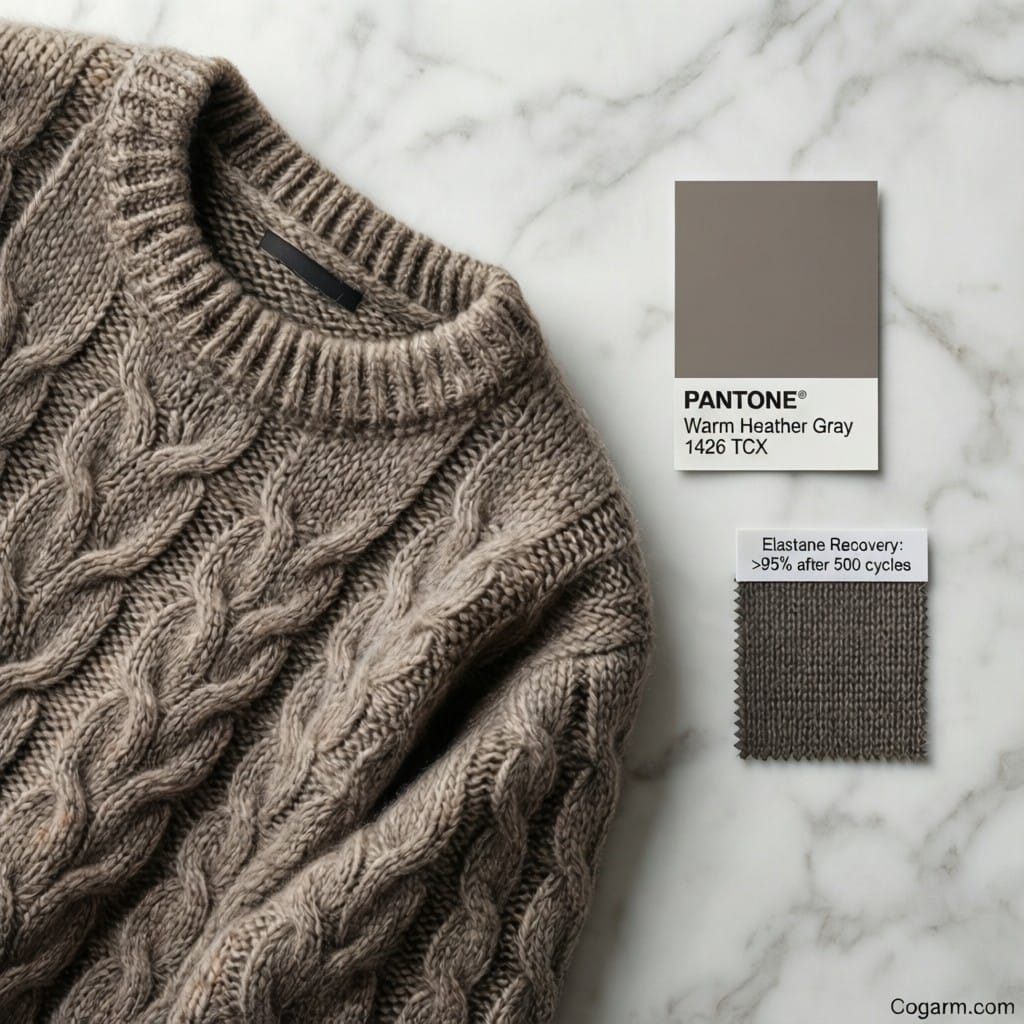
- Chlorine-resistant elastane for swimwear that lasts seasons longer.
- Heat-set spandex that withstands high-temperature drying without losing stretch.
- Double-covered yarns where spandex is wrapped with two layers of nylon for smoother surface and better abrasion resistance.
- Power-stretch fleece combining a stretch outer face with a brushed inner for insulation and mobility.
Smart Stretch: Adaptive and Responsive Fabrics
The latest frontier is adaptive stretch. Researchers have developed shape-memory polymers that change elasticity in response to temperature or moisture. For example, a fabric might be loose and breathable at rest, then tighten to provide muscle support during exertion. Other innovations include stretchable electronics—conductive yarns woven into stretch fabrics for heart-rate monitoring or motion tracking—blurring the line between textile and technology.
Sustainability in Stretch
Stretch fabrics have historically faced sustainability challenges because spandex is difficult to recycle and can contaminate polyester recycling streams. New solutions include:
— as detailed in our article on Why Recycled Materials are the New Gold Standard.
- Bio-based spandex made from renewable corn or castor oil.
- Mono-material stretch fabrics (e.g., 100% nylon with mechanical stretch) that simplify recycling.
- Stretch fibers from recycled materials, such as REPREVE® recycled polyester blended with elastane.
What’s Next?
The evolution of stretch fabric is far from over. The supplier is moving toward programmable stretch—fabrics that can be “tuned” for specific activities, and self-repairing elastomers that heal micro-tears. As performance demands grow and environmental pressures mount, the next generation of stretch fabrics will need to be smarter, stronger, and kinder to the planet.
At Cogarm.com, we track these developments to help you choose the right stretch technology for your product—whether it’s a four-way stretch yoga pant, a mechanically stretch woven shirt, or a next-gen adaptive fabric.
For a deeper dive, see How Tech-Wear is Changing the Global Market.
Frequently Asked Questions
What is the minimum order quantity (MOQ)?
MOQ is 100 pieces per color/style for knitwear and 200 pieces for woven garments. Stock yarn options allow smaller trial orders.
What is the sample lead time?
Sample production takes 15-20 days. If sourced yarn is required, add 5-7 days for yarn procurement. Samples are charged at 1.5x unit price, refundable upon bulk order confirmation.
What is the bulk production lead time?
Bulk production runs 45-60 days from sample approval. Rush orders (20-30 days) available for repeat clients with confirmed yarn stocks.
What are the payment terms?
Standard terms: 30% deposit upon order confirmation, 70% before shipment. Wire transfer (T/T) or Alibaba Trade Assurance accepted.
What compliance certifications are available?
The supplier supports OEKO-TEX Standard 100, GOTS (organic cotton), GRS (Global Recycled Standard), and BSCI audits. Certification costs are borne by the buyer; we facilitate the process.
