

Anti-Pilling Sweater Tech: The Evolution
In the ever-evolving world of textiles, the demand for durable, high-quality sweaters has driven advancements in anti-pilling technology. Pilling—the formation of small, unsightly fabric balls on clothing—has long been a challenge for woolen and blended fabrics. However, breakthroughs in fiber engineering, finishing agents, and production techniques have revolutionized the industry. This article explores the science behind anti-pilling technology and highlights the key technical milestones that have shaped modern knitwear.
Understanding Anti-Pilling Technology
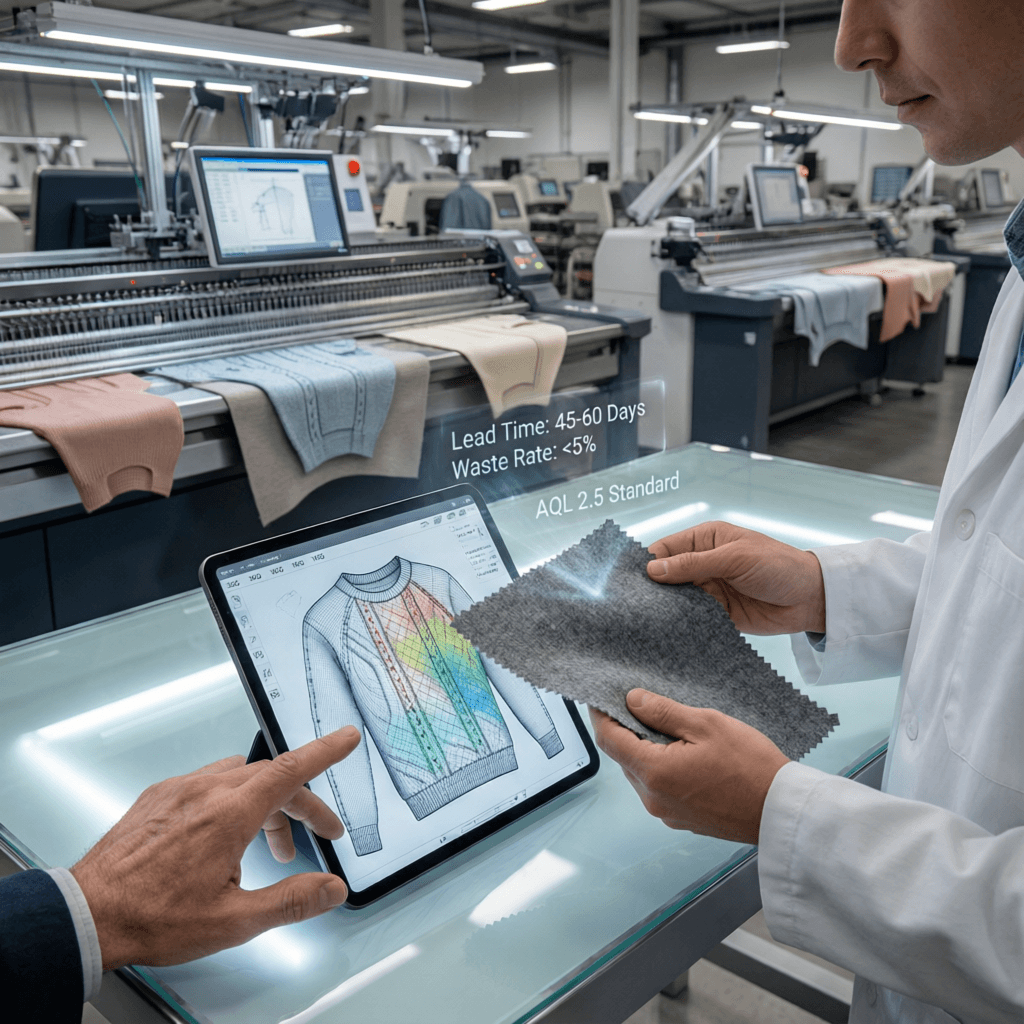
Anti-pilling technology addresses the friction-induced degradation of fabrics through a multi-faceted approach. Pilling occurs when short, loose fibers on the fabric surface entangle into balls due to abrasion during wear or washing. The evolution of anti-pilling solutions targets each stage of this process.
(See our related guide: Recycled Polyester Sweaters: Eco Style Future.)
Suppliers like Cogarm achieve this by implementing rigorous quality checks at each stage.
Fiber and Yarn Innovation
The foundation of pilling resistance lies in material selection. Advanced fibers such as anti-pilling acrylic and modified polyester are engineered to reduce surface abrasion. For instance, blending wool with 30–50% anti-pilling acrylic enhances durability while retaining softness, a technique employed by leading manufacturers like Rui Chang Textiles. Additionally, tighter yarn twists and multi-ply structures minimize loose fibers, a key contributor to pilling.
Mechanical and Chemical Treatments
Post-production treatments play a critical role. Singeing is a primary mechanical process that burns off protruding fibers from the fabric surface using controlled gas flames, significantly reducing the number of loose ends that can form pills. Bio-polishing uses cellulase enzymes to selectively digest and remove fuzz from cotton and cellulosic blends, leaving a smoother surface. More advanced plasma treatment modifies fiber surfaces at the molecular level, increasing fiber cohesion and reducing pilling without altering hand feel or breathability.
Read more about Custom Woven Sweater Packaging for additional context.
Finishing Agents
Cutting-edge finishing agents like silicone-based compounds form a flexible resin film on fabric surfaces, reducing fiber slippage and strengthening yarn cohesion. Cationic polymers applied via padding or dipping ensure long-lasting smoothness without compromising breathability.
Fabric Construction
Knitting techniques, such as high-gauge Jacquard patterns (e.g., 12G or 16G), create denser structures that lock fibers in place, further resisting pilling.
For example, Cogarm maintains AQL 2.5 inspection standards across all production batches.
— as detailed in our article on Ultimate Guide to the Perfect Woven Sweater.
Quality Testing Methods
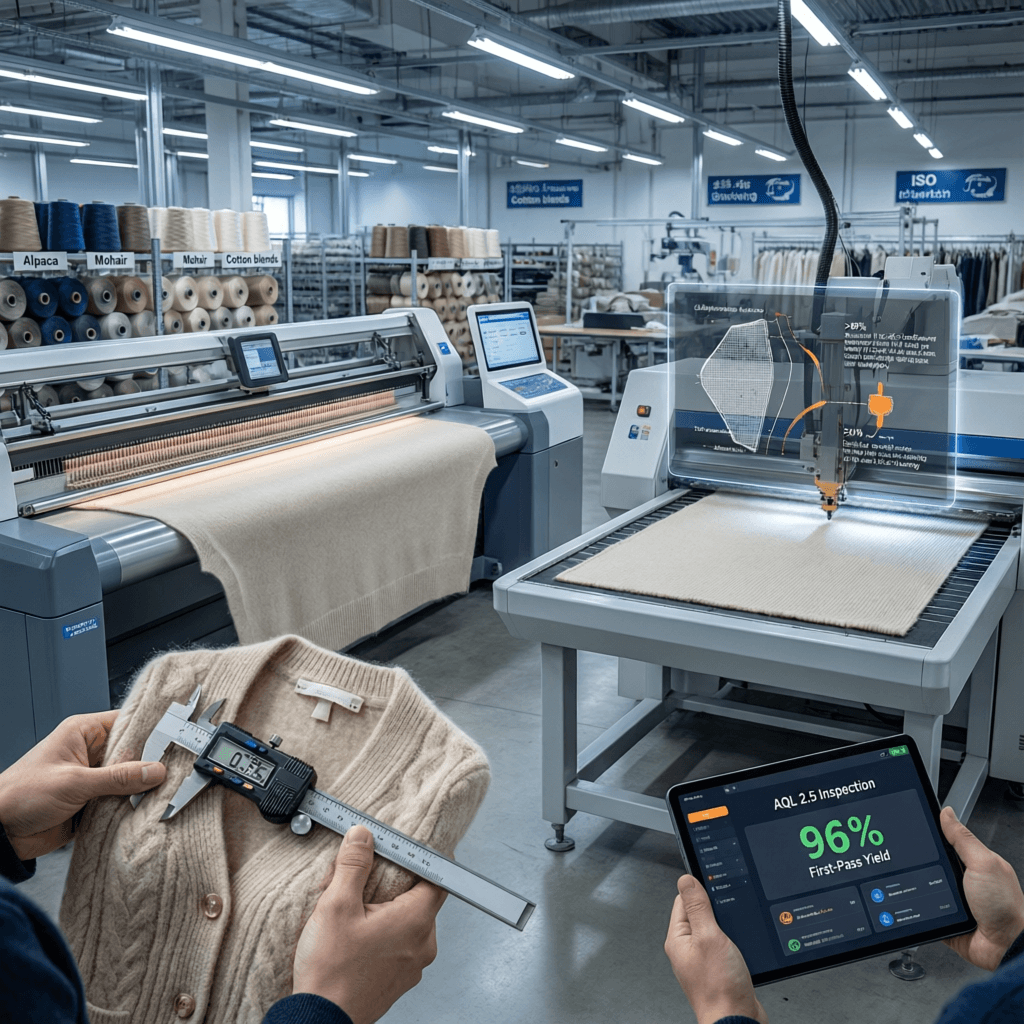
To verify anti-pilling performance, standardized testing methods are employed. The ICI Pilling Box Test (ISO 12945-1) subjects fabric samples to controlled tumbling against a cork lining, with ratings from Grade 1 (severe pilling) to Grade 5 (no pilling). The Martindale Abrasion Test (ISO 12945-2) uses a rubbing motion to simulate wear, while the Random Tumble Pilling Test (ASTM D3512) evaluates fabrics in a rotating chamber. Modern anti-pilling sweaters consistently achieve Grade 4 or higher, indicating excellent resistance.
Frequently Asked Questions
What is the minimum order quantity (MOQ)?
MOQ is 100 pieces per color/style for knitwear and 200 pieces for woven garments. Stock yarn options allow smaller trial orders.
For a deeper dive, see Shop Premium Sweaters: Best Time to Buy.
What is the sample lead time?
Sample production takes 15-20 days. If sourced yarn is required, add 5-7 days for yarn procurement. Samples are charged at 1.5x unit price, refundable upon bulk order confirmation.
What is the bulk production lead time?
Bulk production runs 45-60 days from sample approval. Rush orders (20-30 days) available for repeat clients with confirmed yarn stocks.
What are the payment terms?
Standard terms: 30% deposit upon order confirmation, 70% before shipment. Wire transfer (T/T) or Alibaba Trade Assurance accepted.
What compliance certifications are available?
The supplier supports OEKO-TEX Standard 100, GOTS (organic cotton), GRS (Global Recycled Standard), and BSCI audits. Certification costs are borne by the buyer; we facilitate the process.
Technical Trade-Offs: Balancing Anti-Pilling Performance with Hand Feel
While achieving Grade 4 or 5 on the ICI Pilling Box is a primary technical target, procurement managers must recognize that aggressive anti-pilling treatments often introduce unintended consequences for garment aesthetics and tactile quality. The evolution of this technology has shifted from simply eliminating pills to managing the inevitable compromise between surface durability and softness. For instance, high-twist yarns (typically exceeding 600 TPM for merino blends) significantly reduce fiber migration and pilling propensity but result in a firmer, less drapeable fabric compared to low-twist alternatives. Similarly, excessive bio-polishing can degrade tensile strength by 10–15% if enzyme concentration and treatment time are not precisely calibrated, leading to premature fabric failure despite excellent initial pilling resistance.
Silicone-based finishing agents present another critical decision point. While cationic amino-silicones provide superior lubrication and pill resistance, they can cause yellowing on light-colored garments during heat setting or storage. Modern manufacturers now utilize reactive silicone polyethers that covalently bond to cellulose fibers, offering wash-fast anti-pilling performance without the hydrophobic buildup associated with traditional softeners. When sourcing, buyers should request specific data on:
- Bursting Strength Retention: Post-treatment fabric should maintain at least 85% of its untreated bursting strength (ASTM D3786).
- Wash Fastness of Finish: Anti-pilling efficacy should be tested after 5 home launderings (AATCC 135), not just in greige state.
- Colorfastness Impact: Verify that chemical treatments do not lower wet/dry crocking ratings below Grade 3-4.
- Hand Feel Panel Scores: Quantitative sensory evaluation comparing treated vs. untreated control samples using standardized scales.
Sourcing Verification: Distinguishing Genuine Innovation from Marketing Claims
The term “anti-pilling” is frequently applied generically, making supplier vetting challenging. True technological capability is demonstrated through process control documentation rather than marketing brochures. When evaluating Dongguan knitwear manufacturers for advanced anti-pilling programs, move beyond certificate requests and audit actual production parameters. A facility relying solely on post-knitting chemical fixes will have higher long-term return risks than one integrating pilling resistance into the yarn formation and knitting stages.
Request evidence of yarn twist consistency reports; variation exceeding ±5% across cones indicates poor spinning QC that no amount of finishing can fully correct. Ask for spectrophotometer readings confirming finish add-on percentages are within tolerance (typically 2–4% OWF for silicone treatments). Inquire about their protocol for managing enzyme deactivation in bio-polishing; residual active enzymes can continue degrading cotton fibers during transit or warehousing. Additionally, verify whether their testing lab maintains calibrated reference fabrics for pilling box tests, as cork lining wear significantly affects grading accuracy over time. Suppliers invested in genuine tech evolution will readily provide these granular details, whereas those applying generic finishes will struggle to produce them.
Cost and Lead Time Implications of Advanced Anti-Pilling Specs
Implementing next-generation anti-pilling technology directly impacts unit economics and production scheduling. Buyers must factor these variables into sourcing decisions to avoid margin erosion or missed delivery windows. Modified acrylic or mercerized wool yarns typically carry a 15–25% premium over standard equivalents due to specialized spinning processes. Reactive silicone finishes require longer curing times at lower temperatures to prevent yellowing, adding 1–2 days to the finishing line throughput compared to conventional pad-dry-cure methods.
Bio-polishing introduces additional complexity: it requires separate processing baths, precise pH and temperature control, and thorough rinsing cycles to halt enzymatic activity. This extends wet processing time by approximately 4–6 hours per batch. Plasma treatment, while eliminating chemical effluent, involves significant capital equipment depreciation that is amortized into piece price. For pilot orders specifying Grade 4+ pilling resistance, allocate an additional 7–10 days for process optimization and validation testing before bulk commitment. Rush timelines are rarely compatible with advanced anti-pilling protocols, as skipping cure times or reducing wash-off cycles compromises performance permanence. Transparent costing models should itemize these technical surcharges separately from base FOB pricing to enable accurate value engineering discussions.
Frequently Asked Questions
What is pilling in sweaters, and why is it a problem?
Pilling refers to the formation of small, fuzzy balls on the surface of fabric caused by friction during wear or washing. It degrades the appearance and texture of sweaters, especially those made from wool or blended fibers, leading to reduced perceived quality and durability.
How does anti-pilling technology work to prevent fabric degradation?
Anti-pilling technology combats pilling through a multi-faceted approach that includes advanced fiber engineering, specialized finishing agents, and optimized production techniques. These methods reduce the number of loose fibers and strengthen the fabric’s surface to resist abrasion.
What role do fiber and yarn innovations play in anti-pilling technology?
Fiber and yarn innovation are foundational to anti-pilling performance. By using longer staple fibers, stronger yarns, and improved spinning techniques, manufacturers minimize loose ends that contribute to pilling, resulting in more durable and smooth-surfaced knitwear.
How do suppliers ensure anti-pilling quality in manufactured sweaters?
Suppliers like Cogarm implement rigorous quality checks at every stage of production—from raw material selection to final inspection—ensuring that anti-pilling treatments and manufacturing processes consistently meet high standards for durability and performance.
