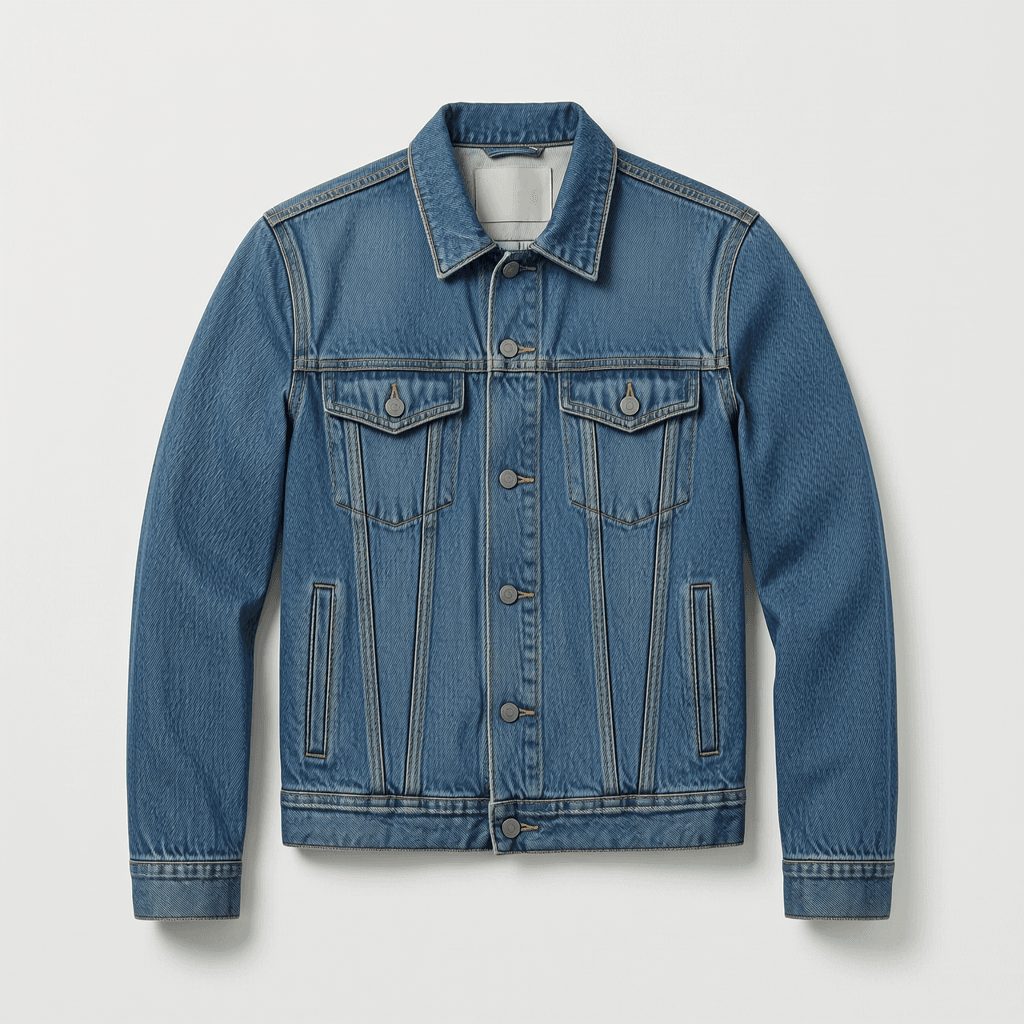

For brands sourcing from a clothing factory, the ultimate safeguard against these risks is the Pre-Production (PP) Sample.
The PP sample is the final, definitive prototype created before bulk cutting begins. Unlike early-stage proto or fit samples, which often utilize substitute fabrics or trims, the PP sample must be constructed using the exact bulk fabrics, correct trims, specified thread, and identical machinery that will be used on the mass production line. It is the physical manifestation of the contract between the buyer and the garment manufacturing partner.
The Role of the PP Sample in Textile Manufacturing
Before bulk fabric rolls are laid out on the cutting tables, the PP sample acts as a proof of concept for both design and manufacturability. Within textile manufacturing, variations in fabric stretch, shrinkage, dye uptake, and weight (GSM) can dramatically affect how a pattern translates from paper to a 3D garment.
(See our related guide: Handling Quality Disputes: A Pro-Buyer Guide.)
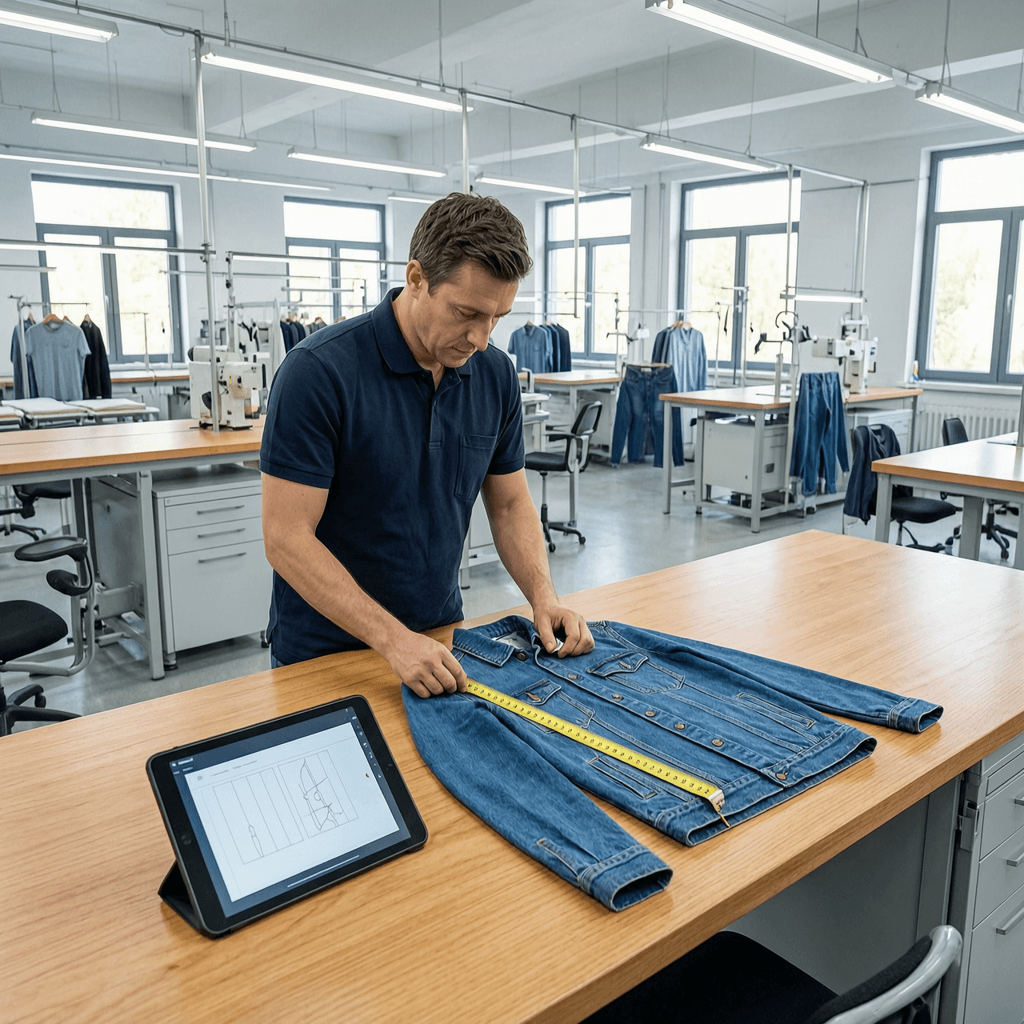
1. Verification of Bulk Materials
The PP sample verifies that the bulk fabric and trims behave as expected. It ensures that:
* The fabric hand-feel, drape, and weight match the approved counter-samples.
* The dye lots are consistent with the approved color standards (lab dips).
* Trims (such as zippers, buttons, snaps, and interfacing) are compatible with the fabric weight and do not cause pulling or puckering.
2. Assembly Line Feasibility
For the clothing factory, the PP sample serves as a test run for the sewing line. It allows production managers to calculate the Standard Allowed Minutes (SAM) for assembly, identify potential bottlenecks on the sewing floor, and determine if specialized machinery (such as bonding machines or specific bartackers) is required.
Technical Specifications: What is Evaluated in a PP Sample?
When a buyer or a third-party Quality Assurance (QA) agency evaluates a PP sample, they do so against the official Tech Pack. The evaluation must be highly systematic, focusing on structural integrity, aesthetics, and regulatory compliance.
Read more about The 5-Step Process to Successf for additional context.
The following table outlines the critical technical parameters assessed during the PP review process:
| Parameter | Technical Standard / Requirement | Acceptable Tolerance | Evaluation Method |
|---|---|---|---|
| Dimensional Measurements | Must match the grade rule specifications in the Tech Pack. | +/- 0.5 cm to 1.0 cm (depending on measurement point) | Flat table measurement using calibrated steel tape. |
| Stitches Per Inch (SPI) | Consistency in stitch density across all seams to ensure seam strength. | +/- 1 SPI from specification (e.g., 10-12 SPI) | Visual inspection and manual counting under magnification. |
| Seam Strength & Construction | Correct seam type (e.g., flatlock, overlock, safety stitch) and thread tension. | No seam slippage or fabric ruptures under tension. | Pull testing and destructive seam testing where required. |
| Colorfastness & Shrinkage | Fabric must retain dimensional stability and color after laundering. | Max 3% shrinkage (woven), 5% (knits); Color fastness rating \ge 4.0 | AATCC standard wash and dry-cleaning testing. |
| Trims & Hardware Pull Strength | Buttons, snaps, and rivets must be securely fastened. | Must withstand \ge 90 N of pull force for 10 seconds (for childrenswear). | Calibrated pull-gauge testing (e.g., SafQ pull tester). |
| Color Match (Delta E) | Consistency with approved color standards under specified light sources. | Δ E_{cmc} < 1.0 | Spectrophotometer testing and visual evaluation under D65/TL84 light cabinets. |
Step-by-Step Buyer Guidance for PP Sample Evaluation
To maximize the efficacy of the PP sample phase, procurement and QA teams must follow a disciplined verification process.
Step One: The Tech Pack Audit
Before opening the sample shipping box, review the latest version of your Tech Pack and Bill of Materials (BOM). Ensure that any revisions made during the proto and fit stages have been updated. The PP sample must be evaluated only against the latest signed-off documentation.
Step Two: Live Fit and Avatar Testing
While flat measurements are crucial, garments are designed for movement.
* Fit Models: Fit the PP sample on a live model who matches your target demographic’s exact measurements. Have the model perform basic movements (sitting, walking, reaching) to test comfort, range of motion, and fabric behavior.
* 3D Digital Twins: If your brand utilizes digital product creation (DPC), scan the PP sample or cross-reference the physical fit with your 3D CAD avatar software to verify drape and stress points.
— as detailed in our article on What Information to Provide in an RFQ.
Step Three: Stress and Utility Testing
Verify that all functional components perform flawlessly. Zip and unzip closures 50 times. Snaps should engage and disengage with crisp, secure tactile feedback. Check pocket depths to ensure they can accommodate modern smartphones, and verify that interior labels are soft enough not to irritate the skin.
Step Four: The “Golden Sample” Sealing Protocol
Once the PP sample is deemed perfect, it transitions into the Golden Sample (or Sealed Sample).
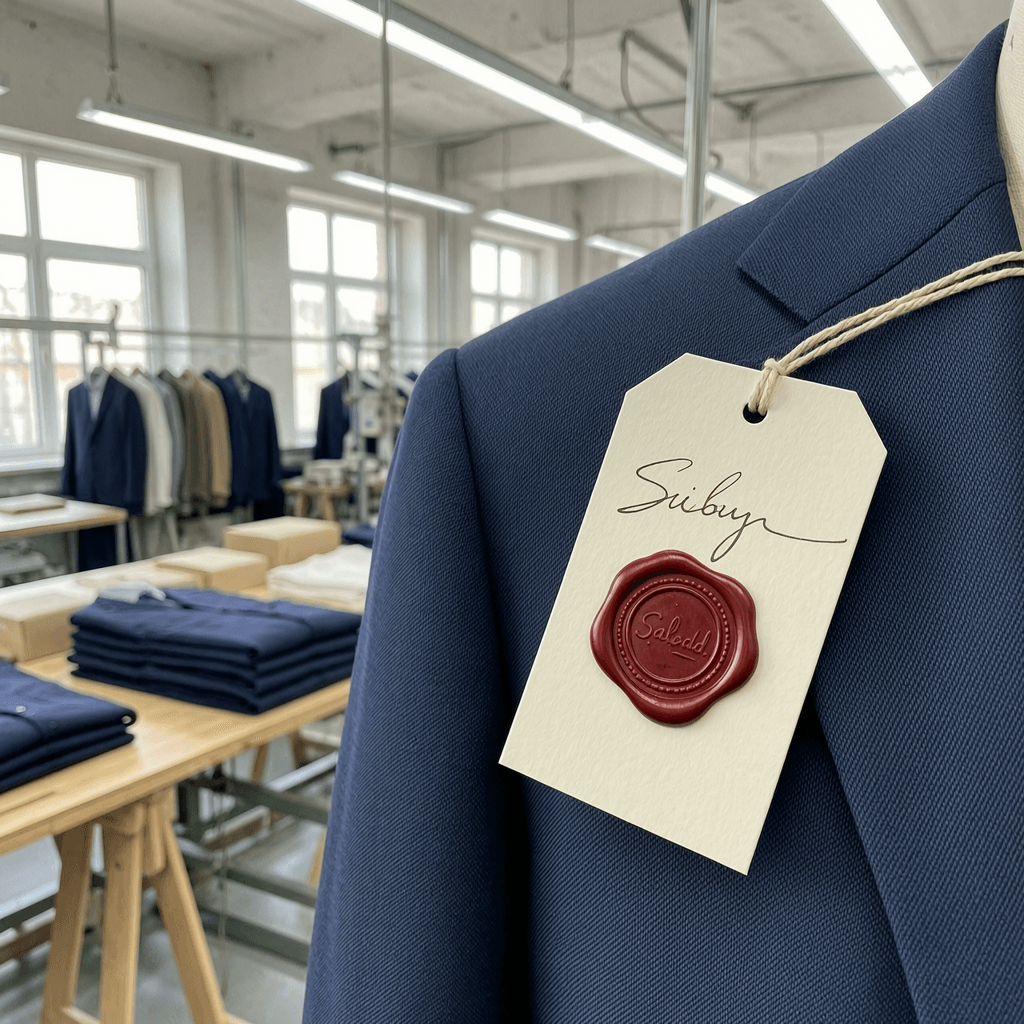
The sealing protocol is a formal legal and operational step:
1. Tagging: A heavy cardstock tag is attached to the garment using a tamper-proof seal.
2. Signing: Both the brand’s representative and the factory’s production manager sign and date the tag.
3. Distribution: Two identical samples are typically approved. One is kept by the buyer’s quality team for destination inspection, and the other remains at the clothing factory, hung visibly at the end of the production line as the absolute reference standard for line operators and QC inspectors.
For a deeper dive, see How to Synchronize Production with Launch Calendars.
Why Skipping PP Samples is a Costly Gamble
In an effort to speed up time-to-market, some emerging brands or fast-fashion retailers pressure their partners to bypass the PP sample phase and go directly from fit approval to cutting. In B2B custom apparel manufacturing, this is almost always a costly mistake.
If fabric shrinkage is not calibrated through a PP sample, an entire cutting run can yield garments that are one to two sizes too small after the final garment wash. Similarly, if sewing threads are not matched to the stretch coefficient of the bulk knit fabric, seams will pop as soon as the end consumer puts on the garment, resulting in high return rates, chargebacks, and potentially devastating write-offs.
The PP sample is not a bottleneck; it is an insurance policy. It shifts the conversation from “hopeful quality” to “measurable, contractual compliance.”
Frequently Asked Questions (FAQ)
Can the supplier uses 3D digital sampling to completely replace the physical PP sample?
While 3D apparel simulation software (like CLO3D or Browzwear) has revolutionized fit and design prototyping, it cannot yet fully replace the physical PP sample. Physical PP samples are necessary to test the actual physical properties of the bulk fabric shipment, such as seam puckering under specific sewing machine tensions, wash shrinkage, and trim compatibility.
Who bears the cost of producing the PP sample?
In standard B2B garment manufacturing agreements, the cost of the PP sample is typically absorbed into the bulk production pricing (FOB/CMT), provided the buyer proceeds with the order. If the brand cancels the order after the PP sample is made, the clothing factory will charge a sample fee, usually 2x to 3x the estimated bulk unit cost, to cover development and material sourcing expenses.
What should we do if a PP sample is rejected?
If a PP sample fails to meet specifications, the buyer must issue a clear, documented “Rejected” report with detailed photos, measurements, and corrective action instructions. The factory must then address these issues and submit a revised sample (PP2) for approval. Bulk cutting should never begin until a PP sample is fully approved and signed off.
How long does the PP sample approval phase usually take?
The timeline ranges from 2 to 4 weeks. This includes the time required for the factory to receive bulk materials, construct the sample, ship it to the buyer, and for the buyer to conduct fit trials, lab testing, and provide formal feedback. This timeframe must be accounted for in the master production schedule.