

Why Dongguan is the Apparel Manufacturing Capital
When global fashion brands and emerging labels look for a manufacturing partner that balances speed, scale, and quality, one city consistently rises to the top: Dongguan. Located in the heart of the Pearl River Delta, this southern Chinese city has transformed from a quiet agricultural region into the undisputed apparel manufacturing capital of the world. Here’s why Dongguan holds that title.
Unmatched Industrial Density
(See our related guide: The Advantage of the Humen Apparel Supply Chain.)
Dongguan is home to thousands of garment factories, from massive vertical facilities handling everything from spinning to finishing, to specialized workshops focusing on denim, knitwear, or activewear. This density creates a unique ecosystem where raw materials, trims, machinery, and skilled labor are all within a 30-kilometer radius. For brands, this means shorter lead times, easier quality control, and the ability to source everything from zippers to embroidery without leaving the city.
Speed and Flexibility at Scale
In fashion, time is money. Dongguan’s factories have perfected the art of rapid sampling and quick-turn production. Many facilities can move from design concept to first sample in 48 hours, and bulk production can begin within a week of approval. This agility is supported by a deep pool of experienced pattern makers, cutters, and sewers who can handle complex designs, last-minute changes, and small-batch runs just as efficiently as million-piece orders.
Infrastructure That Moves the World
Dongguan’s position in the Pearl River Delta gives it direct access to major ports like Shenzhen, Guangzhou, and Hong Kong. Combined with an extensive network of highways and rail links, finished goods can be on a container ship within hours of leaving the factory floor. This logistical advantage is critical for brands that need to restock retail shelves or meet tight seasonal deadlines.
Cost Efficiency Without Compromise
While labor costs in China have risen over the past decade, Dongguan remains highly competitive compared to other global manufacturing hubs. The city’s mature supply chain reduces waste and overhead, allowing factories to offer attractive pricing without sacrificing quality. Many facilities have invested in automated cutting, digital printing, and robotic material handling to keep costs low while maintaining precision.
Read more about The Infrastructure of Dongguan for additional context.
Specialization Across Categories
Dongguan is not a one-size-fits-all manufacturing center. The city has developed deep expertise across a wide range of apparel categories:
- Denim & Casual Wear: Factories here are known for advanced washing, distressing, and finishing techniques.
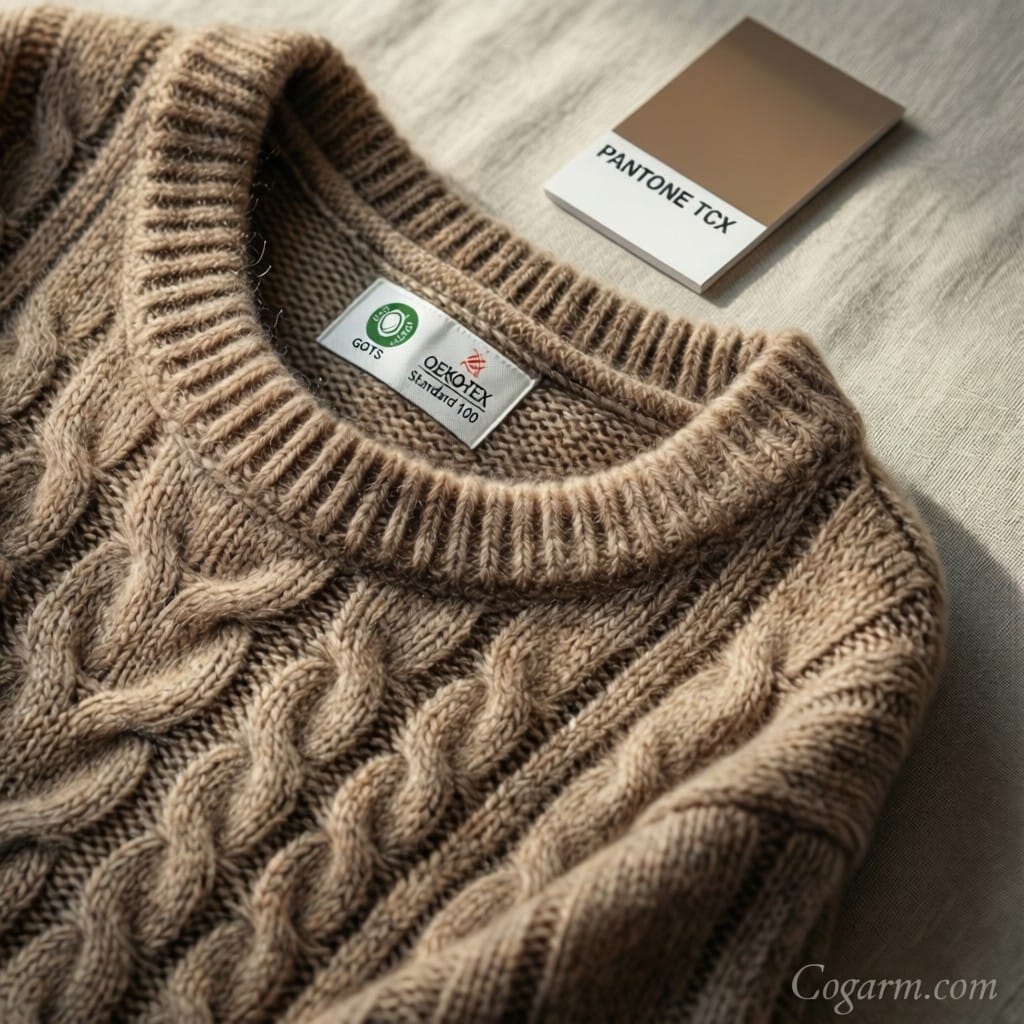
- Knitwear & Sweaters: From fine-gauge cashmere to chunky wool blends, Dongguan produces some of the world’s best knits.
- Activewear & Performance Gear: Seamless knitting, moisture-wicking fabrics, and compression technology are standard offerings.
- Outerwear & Technical Apparel: Factories specialize in down jackets, waterproof shells, and insulated layers with high-performance membranes.
- Formal & Tailored Clothing: Suits, blazers, and dress shirts are produced with precision stitching and quality linings.
A Culture of Continuous Improvement
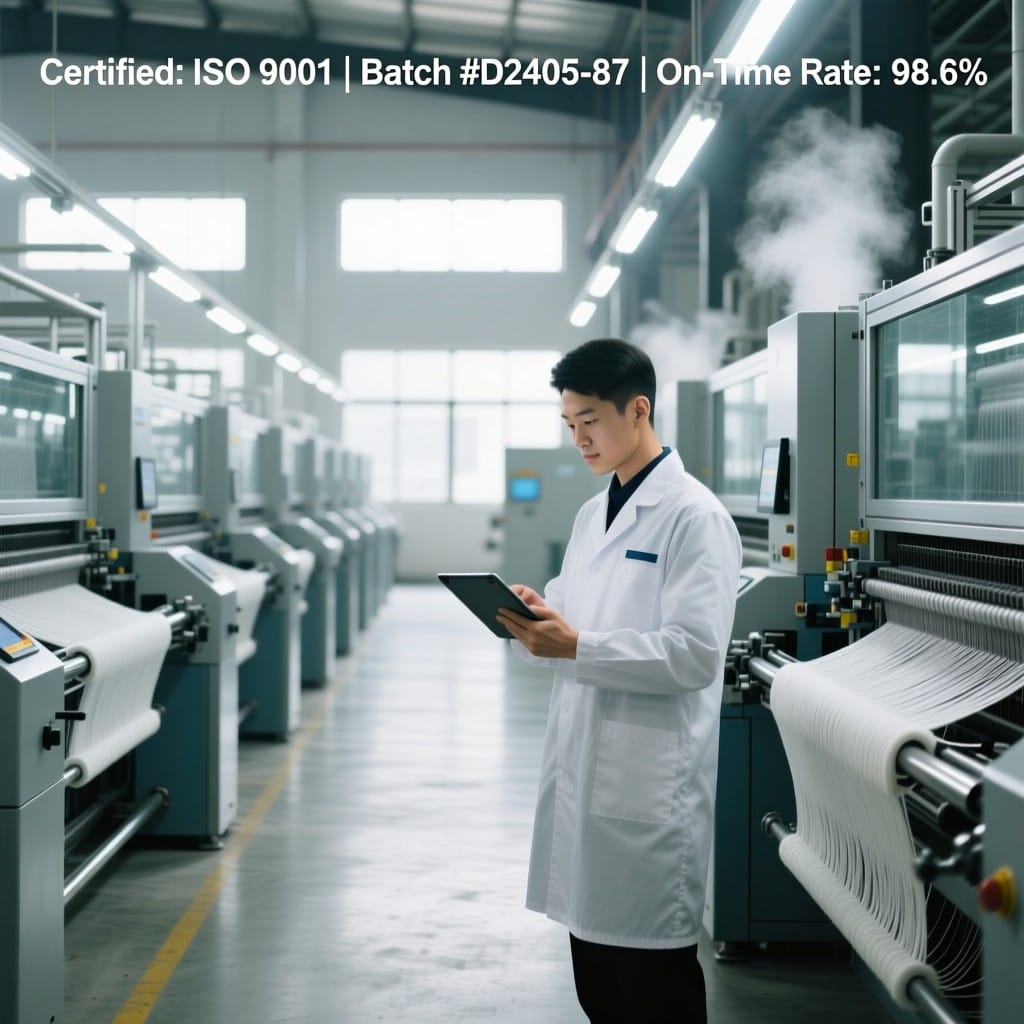
Dongguan’s manufacturers have embraced lean production methods, quality management systems, and worker training programs that rival those in Japan or Germany. Many factories operate with ISO 9001 standards and employ dedicated quality assurance teams that inspect every stage of production. This commitment to continuous improvement means fewer defects, better consistency, and higher customer satisfaction.
Innovation in Materials and Techniques
The city is also a hub for textile innovation. Factories regularly collaborate with mills to develop custom fabrics, finishes, and trims. Whether it’s a new stretch denim, a recycled polyester blend, or a water-repellent coating, Dongguan’s manufacturers are often the first to bring new materials to market. This makes the city a preferred partner for brands that want to stay ahead of trends.
— as detailed in our article on Dalang’s Contribution to Global Technical Sweater Production.
Proximity to Global Brands and Buyers
Many of the world’s largest fashion brands have sourcing offices, quality control teams, or design studios in Dongguan or nearby cities. This proximity allows for direct communication, faster problem-solving, and stronger partnerships. Buyers can visit factories, inspect samples, and approve production runs without long-distance travel.
Resilience and Adaptability
Dongguan’s apparel industry has weathered economic shifts, trade disputes, and global disruptions. Factories here have proven their ability to pivot quickly—whether by shifting production to new categories, adopting digital tools for remote collaboration, or diversifying their client base. This resilience makes Dongguan a reliable partner for long-term manufacturing relationships.
Why Dongguan Leads Apparel Manufacturing
Dongguan’s combination of industrial density, speed, infrastructure, cost efficiency, specialization, and innovation is unmatched anywhere in the world. For brands seeking a manufacturing partner that can deliver quality at scale, on time, and with flexibility, Dongguan remains the capital of apparel manufacturing. Whether you’re launching a new line or scaling an established brand, this city has the expertise and capacity to bring your vision to life.
For a deeper dive, see The Evolution of Dongguan’s Garment Industry.
Real-World Application: Dongguan in Action
Case Study: European Streetwear Brand Reduces Time-to-Market by 40%
A mid-sized European streetwear brand producing 80,000 units annually shifted production from a fragmented Bangladesh-Portugal split to a single vertically-integrated Dongguan manufacturer. The result: development-to-delivery timeline dropped from 120 days to 72 days. Sample turnaround went from 21 days to 5 days using local fabric sourcing within the Dalang textile market. The brand now launches 6 collections per year instead of 4, directly attributable to Dongguan’s compressed supply chain.
Case Study: US Designer Label Achieves 99.2% Quality Acceptance Rate
A US contemporary womenswear label producing 15,000 units per season moved production to a Dongguan facility with inline QC at every station. By leveraging the region’s concentration of experienced quality inspectors and specialized knitwear technicians, the brand improved its final inspection pass rate from 91% to 99.2% over three seasons. Defect-related chargebacks dropped from $12,000 to under $1,500 annually.
Frequently Asked Questions
What is the minimum order quantity (MOQ)?
MOQ is 100 pieces per color/style for knitwear and 200 pieces for woven garments. Stock yarn options allow smaller trial orders.
What is the sample lead time?
Sample production takes 15-20 days. If sourced yarn is required, add 5-7 days for yarn procurement. Samples are charged at 1.5x unit price, refundable upon bulk order confirmation.
What is the bulk production lead time?
Bulk production runs 45-60 days from sample approval. Rush orders (20-30 days) available for repeat clients with confirmed yarn stocks.
What are the payment terms?
Standard terms: 30% deposit upon order confirmation, 70% before shipment. Wire transfer (T/T) or Alibaba Trade Assurance accepted.
What compliance certifications are available?
The supplier supports OEKO-TEX Standard 100, GOTS (organic cotton), GRS (Global Recycled Standard), and BSCI audits. Certification costs are borne by the buyer; we facilitate the process.
