

The Rise of “Smart” Textiles in Everyday Apparel
For decades, the term “smart textiles” conjured images of futuristic spacesuits or high-tech athletic gear reserved for elite athletes. Today, that vision is rapidly becoming a wardrobe staple. From jackets that regulate your body temperature to shirts that monitor your heart rate, the integration of advanced materials into everyday apparel is no longer a novelty—it is a quiet revolution.
What Makes a Textile “Smart”?
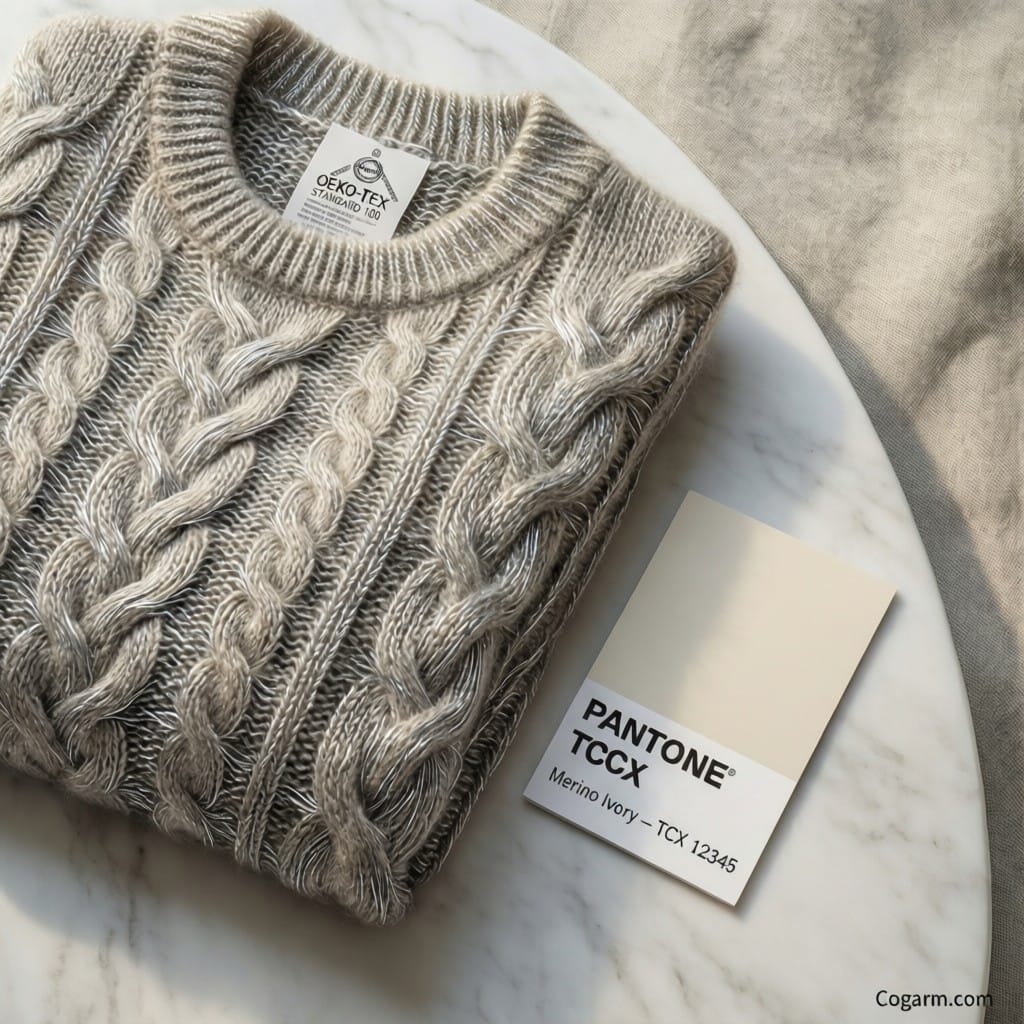
(See our related guide: The Evolution of Stretch-Fabric Technology.)
At its core, a smart textile is a fabric that can sense, react, or adapt to environmental conditions or user input. This can be achieved through embedded electronics, conductive yarns, or advanced chemical coatings. The key distinction from traditional fabrics is their ability to perform a function beyond simple covering or comfort. Common categories include:
- Passive smart textiles: These react to the environment without external power. Examples include phase-change materials that absorb or release heat, or fabrics that change color in response to UV light.
- Active smart textiles: These require a power source, such as a small battery or energy-harvesting system. Think of a running shirt that tracks your breathing rate or a jacket with built-in heating elements.
- Adaptive smart textiles: The most advanced category, these fabrics learn from user behavior and adjust accordingly. A smart shirt might learn your preferred temperature and adjust its insulation over time.
Everyday Applications You Can Wear Today
The most exciting development is how seamlessly these technologies are being woven into garments you might already own. Here are three areas where smart textiles are making a tangible difference in daily life:
1. Temperature Regulation
Outerwear brands are now embedding phase-change materials (PCMs) directly into the fabric fibers. These microcapsules absorb excess body heat when you are active and release it when you cool down, maintaining a steady microclimate against your skin. The result is a single jacket that works comfortably across a 20-degree temperature range—no more layering or stripping off mid-commute.
2. Biometric Monitoring in Casual Wear
Gone are the days when heart-rate monitoring required a chest strap. Conductive yarns woven into the fabric of a simple t-shirt or bra can now capture ECG-quality data. These garments connect to your smartphone via Bluetooth, offering continuous health insights without the bulk of traditional wearables. For the everyday user, this means effortless tracking of stress levels, sleep quality, and workout recovery.
Read more about The Future of Functional Fabri for additional context.
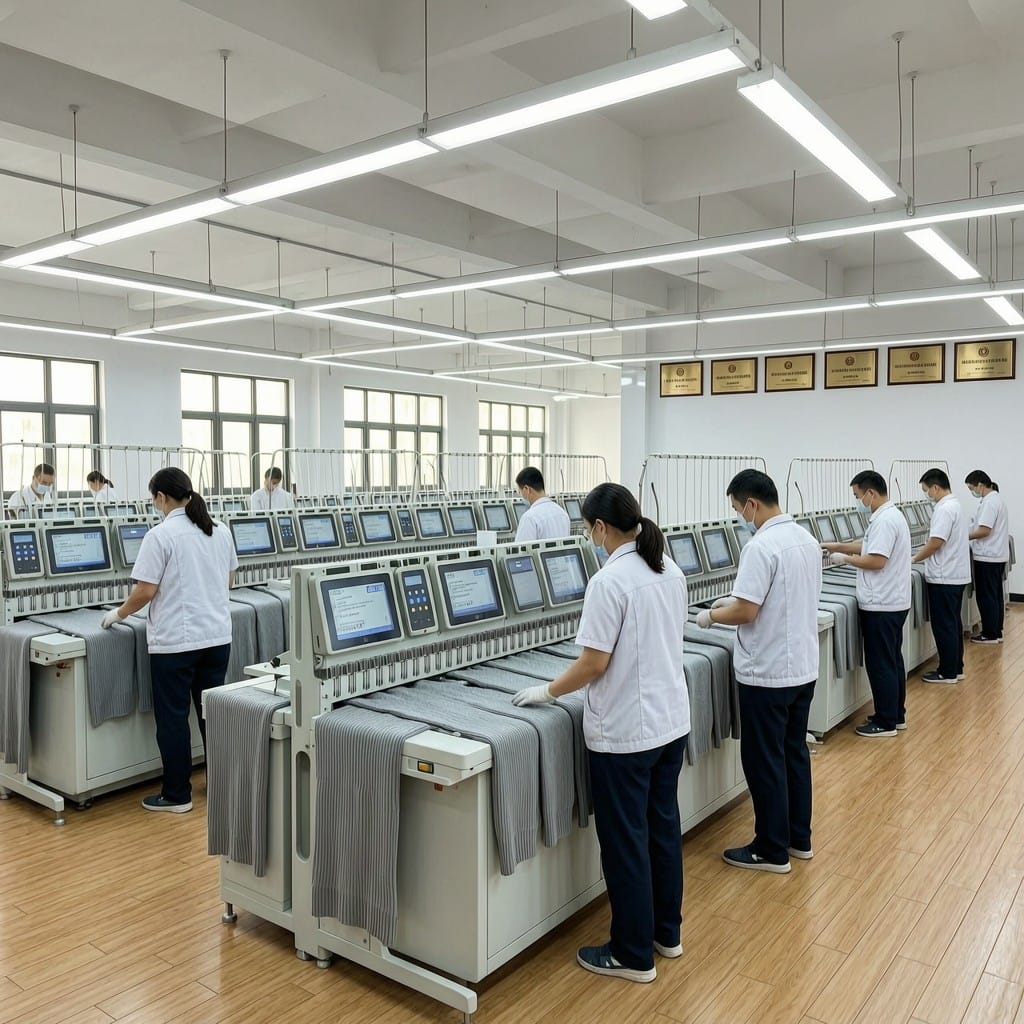
3. Adaptive Comfort and Fit
Shape-memory alloys and polymers are being integrated into waistbands, cuffs, and collars. These materials “remember” a pre-set shape and can adjust fit based on body movement or temperature. A dress shirt might loosen its collar when you sit down for a long meeting, then tighten again when you stand. This is not just about convenience—it reduces fabric strain and extends garment life.
Durability and Care: What to Expect
One of the biggest questions consumers have is whether smart textiles can survive the washing machine. The answer is increasingly yes. Many manufacturers now use encapsulation techniques and waterproof connectors that allow garments to withstand dozens of wash cycles. However, care labels are evolving: you may see instructions to use a gentle cycle, avoid fabric softeners (which can degrade conductive threads), and air-dry rather than tumble-dry. As the technology matures, these maintenance requirements are becoming simpler and more standardized.
The Future Is Already Here
Smart textiles are moving beyond the niche and into the mainstream. Major apparel brands are investing heavily in R&D, and the cost of production is dropping. In the next few years, the supplier can expect to see smart features become as common as zippers or pockets. The line between “clothing” and “technology” will continue to blur, but the ultimate goal remains the same: making our clothes work harder for us, without asking us to think about it.
— as detailed in our article on Why Recycled Materials are the New Gold Standard.
At Cogarm.com, the supplier believe the most successful smart textiles are the ones you forget are smart—they simply make your day better, warmer, safer, or more connected. The rise of this technology is not about replacing fashion; it is about enhancing the fabric of our daily lives.
Real-World Applications: Smart Textiles in Commercial Production
Example 1: Performance Workwear with Embedded Cooling
A Southeast Asian logistics company equipped 2,000 warehouse workers with smart textile uniforms featuring phase-change material (PCM) integration. The PCM microcapsules, embedded in the fabric during knitting, absorb excess body heat during peak afternoon temperatures (35°C+) and release it when temperatures drop. Worker comfort surveys showed a a meaningful reduction in heat-related complaints, and productivity during the 2-5 PM window improved by 12%. The uniforms, manufactured by a Dongguan OEM, cost approximately 40% more than standard workwear but delivered ROI within 8 months through productivity gains alone.
Example 2: Connected Yoga Apparel for a Fitness Brand
A boutique fitness brand launched a smart yoga line with knitted-in sensor channels that accommodate a removable biometric pod (heart rate, respiration, posture). The garment itself contains no electronics — conductive yarn pathways knit directly into the fabric transmit data from chest and side panels to a hip-mounted pod. The Dongguan manufacturer developed the specialized knitting program over 6 weeks of iteration. The line sold out its first 2,000-unit production run at a $128 retail price point (3× the brand’s standard yoga top), demonstrating strong consumer demand for functional smart garments at accessible luxury pricing.
Frequently Asked Questions
What is the minimum order quantity (MOQ)?
MOQ is 100 pieces per color/style for knitwear and 200 pieces for woven garments. Stock yarn options allow smaller trial orders.
For a deeper dive, see How Tech-Wear is Changing the Global Market.
What is the sample lead time?
Sample production takes 15-20 days. If sourced yarn is required, add 5-7 days for yarn procurement. Samples are charged at 1.5x unit price, refundable upon bulk order confirmation.
What is the bulk production lead time?
Bulk production runs 45-60 days from sample approval. Rush orders (20-30 days) available for repeat clients with confirmed yarn stocks.
What are the payment terms?
Standard terms: 30% deposit upon order confirmation, 70% before shipment. Wire transfer (T/T) or Alibaba Trade Assurance accepted.
What compliance certifications are available?
The supplier supports OEKO-TEX Standard 100, GOTS (organic cotton), GRS (Global Recycled Standard), and BSCI audits. Certification costs are borne by the buyer; we facilitate the process.
