
Quick answer: A navy acrylic jacquard is the volume play in festive knitwear: 7GG to 12GG machines, 100 percent acrylic yarn, an anti-pilling finish and a fixed colour sequence. It costs less than wool, washes without felting, and hides wear, which is why it holds the mid-market shelf.
A fairisle knit in deep navy is the workhorse of the festive jumper market. It hides wear better than lighter shades, pairs with denim or grey trousers without effort, and carries a jacquard pattern — say, an all-over reindeer motif — with enough contrast to pop. If you’re a brand planning a holiday capsule, this single style teaches you most of what you need to know about knitwear production. So let’s take it apart.
What the Garment Actually Is
Picture the classic version: a crew-neck jumper knitted in navy, covered edge-to-edge in a festive fairisle jacquard — reindeer, snowflakes, the works. The neckline, cuffs and hem are all ribbed, which keeps the silhouette tidy and helps the garment hold its shape season after season. Style codes like TBMI08149 in the retail market are typical identifiers for this category.
The usual retail composition is 100% acrylic, and that choice isn’t accidental. Acrylic knits at a friendly price point, takes dyestuff well (crucial when your base shade is a rich navy), and survives a machine wash. For brands wanting to step up, a merino or wool-acrylic blend changes the hand feel entirely — and Cogarm works across merino, lambswool, recycled wool under GRS, and GOTS organic cotton, so the same fairisle pattern can be re-engineered at different price tiers.
Caring for an Acrylic Jacquard Knit
Care labels on these jumpers read the same almost everywhere, and for good reason:
- Wash cold. Heat is the enemy of acrylic fibres.
- No bleach. It dulls the navy and yellows the pattern yarns.
- No tumble drying. Flat-dry instead so the jacquard doesn’t distort.
- Iron on low heat only — and ideally with a cloth barrier, since acrylic can scorch.
- Skip dry cleaning. Solvents add cost and risk for no benefit here.
Wool versions need gentler handling, but the principle is identical: protect the fibre, protect the pattern.
Sizing and Fit — How Brands Should Spec It
On the retail side, these jumpers are sold “to fit chest” for topwear, while bottoms run either by waist in inches or by letter sizes (S through XXL), with inside-leg measurements for trousers. You’ll often see a model reference like “6′ 0.5″, wearing size M” — useful shorthand for customers, but it’s not a spec.
For B2B buyers, the real work happens in the tech pack: chest width, body length, sleeve length, rib heights, all graded across the size run. Cogarm’s pattern team builds these measurements into every sample, and fit is confirmed on the physical garment before bulk production starts — not guessed from a size chart.
Delivery, Returns and the B2B Equivalent
Retail shoppers are used to set delivery windows, generous return periods and clearly stated refund terms — but those specifics vary from retailer to retailer and are set by each seller, not fixed industry standards. Helpful, sure — but a brand buyer’s timeline works differently.
Here’s the manufacturing version of those promises. Sampling at Cogarm runs 10–15 days, comfortably ahead of the industry average of45-60 days. Once a sample is approved, bulk production follows a timeline agreed with you at quoting stage. Minimums are kept flexible — a workable MOQ even for a first festive capsule. A sweater OEM factory quoting on this category should be able to hit those windows without drama; if they can’t, keep looking.
Yarn, Gauge and Construction Notes
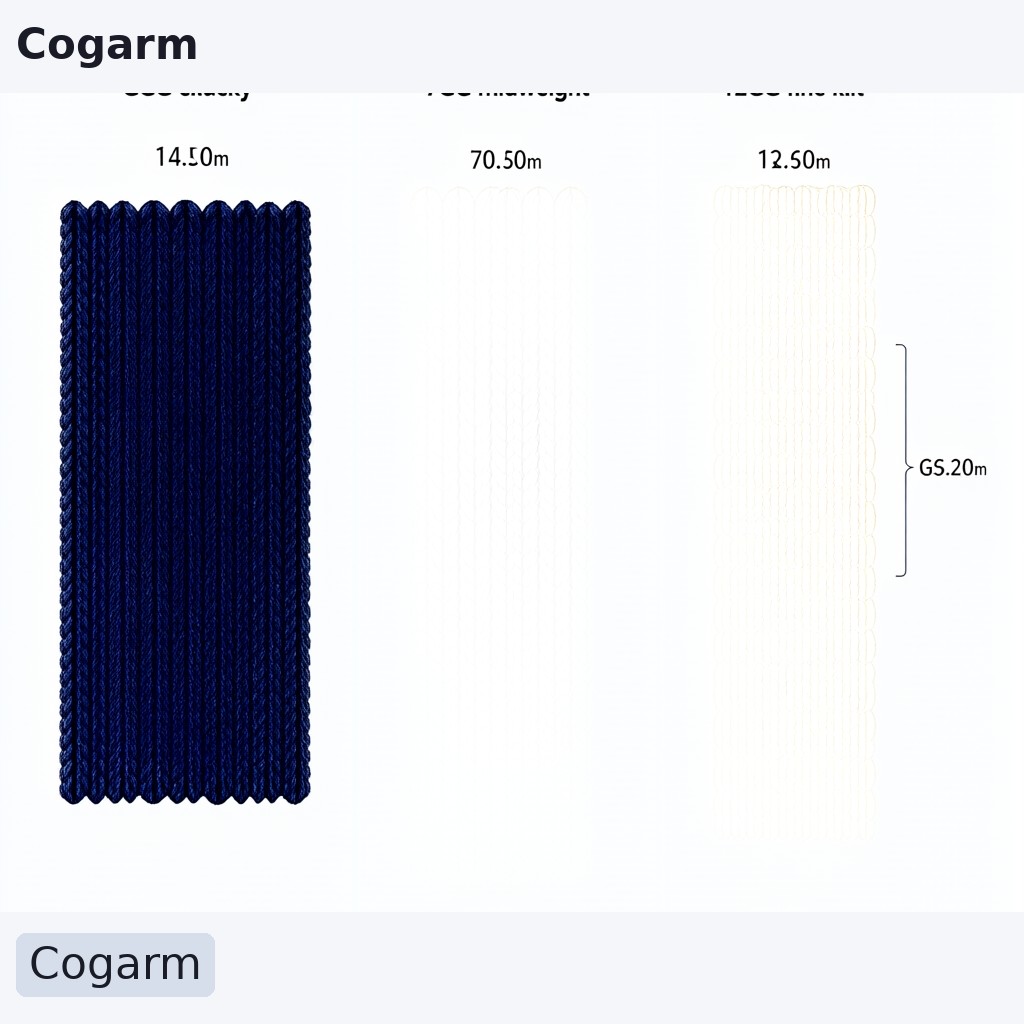
A fairisle jacquard like this is typically knitted on a mid-gauge machine — somewhere in the 7–10GG range — fine enough to render detail in the reindeer motif, robust enough for a seasonal jumper. Our knit gauge guide covers the full spectrum: 3–5GG for chunky statement knits, 12–18GG for fine merino wool sweater supplier-grade pieces.
Construction quality shows up in the details: clean floats on the reverse of the jacquard, even rib tension at the crew neck, colour consistency against a Pantone TCX reference, and shrinkage held within agreed tolerance after washing. Inspection follows standard AQL protocols.
Why does the base colour matter so much? Navy is arguably the most forgiving dark shade in knitwear — deeper than black in character, less severe, and it flatters almost every fairisle palette. As a custom knitwear manufacturer, Cogarm sees navy dominate holiday and autumn/winter private label knitwear orders for exactly that reason.
Beyond the Jumper: Price and Range Thinking
How much does a piece like this cost? Retail acrylic fairisle jumpers sit at the accessible end of the market; swapping to lambswool, merino or cashmere raises the yarn cost and the retail positioning with it. Since navy works year-round in finer gauges — a lightweight 12GG navy knit breathes far better in warm weather than a chunky festive acrylic, which is why navy outperforms cotton-season shades for layering — one pattern library can feed an entire year of styles, not just December.
That’s the real opportunity for brands: build the fairisle once, then vary the yarn, gauge and colourway across your range.
Working With Cogarm
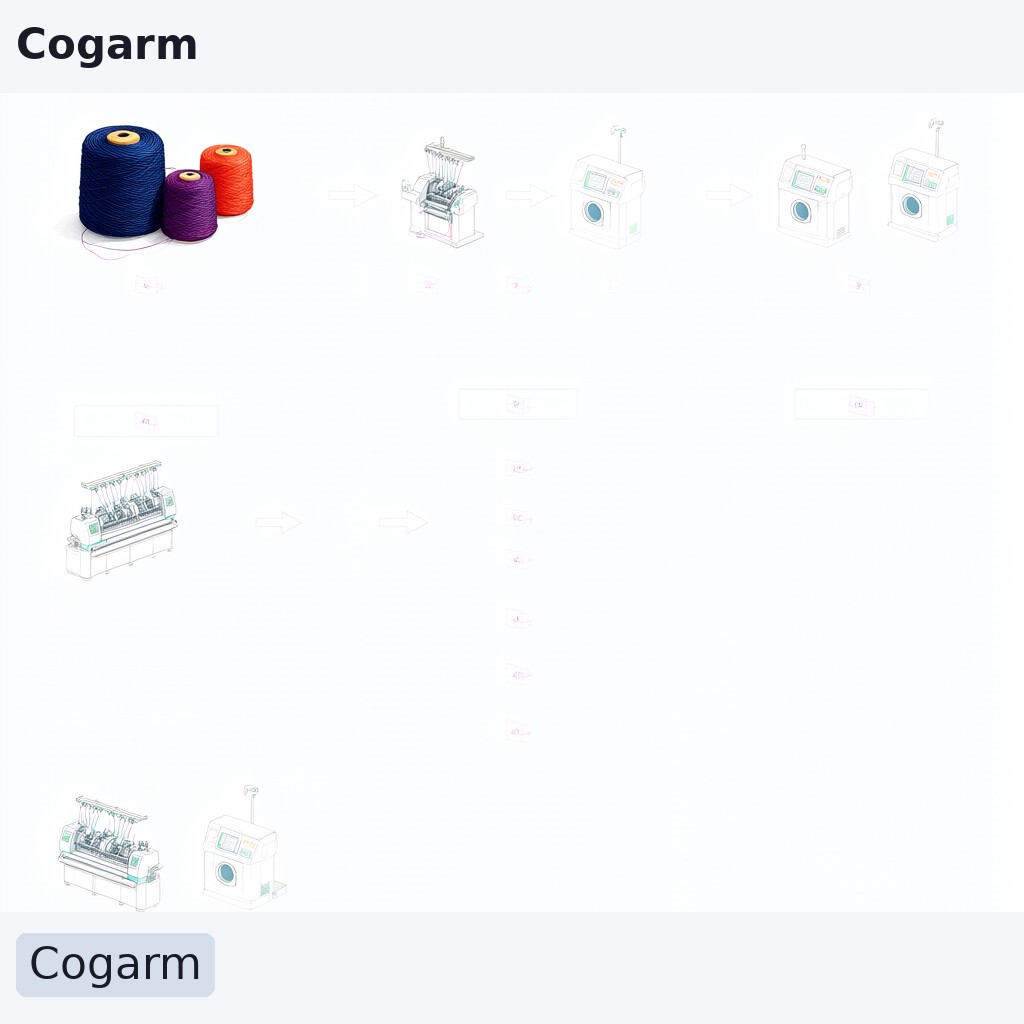
Cogarm manufactures custom sweaters and woven garments as an OEM/ODM partner, with OEKO-TEX Standard 100, BSCI, WRAP, GRS and GOTS certifications behind the production floor. From fairisle Christmas jumpers to fine-gauge merino basics, we handle yarn sourcing, knitting, linking, washing, finishing and inspection in one pipeline.
If a navy fairisle program (or any knitwear line) is on your roadmap, send your tech pack or rough idea to steve@cogarm.com or visit www.cogarm.com — samples move fast here.
What should buyers check on a navy acrylic jacquard jumper?
Check the fibre and the finish, not the pattern. Ask for 100 percent acrylic or a stated blend, an anti-pilling spun yarn, and a jacquard programme that fixes the motif width across sizes. Navy hides stains but shows light pilling, so grade pilling on the finished surface after three washes and set shrinkage at no more than 5 percent. Colour is matched to a Pantone TCX chip under D65, because navy varies between dye lots more than buyers expect. Confirm OEKO-TEX STANDARD 100 limit values on the finished article, record fabric weight per ASTM D3776, and inspect to AQL 2.5 under ISO 2859-1.
Frequently asked questions
What is a navy acrylic jacquard Christmas jumper?
The volume play in festive knitwear: 7GG to 12GG machines, 100% acrylic yarn, an anti-pilling finish and a fixed colour sequence. It costs less than wool and washes without felting.
Why is acrylic used for festive knitwear?
It holds a rich navy shade, takes dyestuff well, survives machine washing and resists moths, which suits a mid-market seasonal jumper. Merino or wool blends change the hand-feel at a higher price tier.
How should an acrylic jacquard knit be cared for?
Wash cold, because heat is the enemy of acrylic; no bleach, which dulls navy and yellows the ground; and dry flat to protect the ribbed shape.
How should brands spec sizing for this jumper?
The crew neck, cuffs and hem are ribbed to hold shape. Brands should specify chest, body length and sleeve length with tolerances, then confirm fit on a pre-production sample.
Cogarm has manufactured custom knitwear and woven garments in Dongguan, Guangdong, China since 2006. Minimum order is 100 units per style and colourway.
