

Fashion Industry Market Dynamics and Production Implications
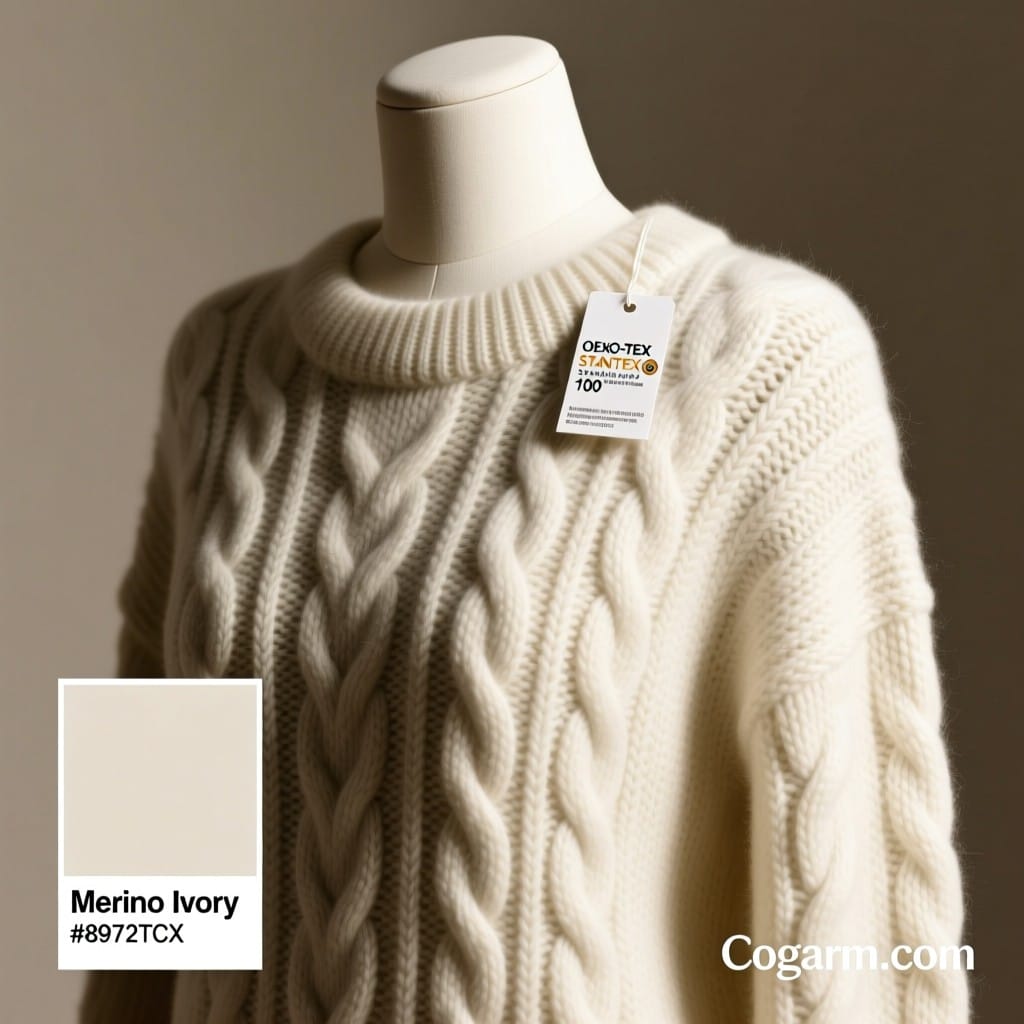
The global fashion industry represents a $2.5 trillion market that directly impacts garment manufacturing operations worldwide. Fashion trends drive procurement decisions, with B2B buyers requiring 6-12 month lead times to align production capacity with emerging consumer preferences. For sweater and woven product manufacturers, understanding trend trajectories enables strategic inventory planning and reduces overstock rates by 15-25% annually.
Suppliers like Cogarm achieve this by implementing rigorous quality checks at each stage.
Modern fashion transcends aesthetic appeal, functioning as a measurable economic indicator. Industry data shows that trend adoption cycles have compressed from 18 months to approximately 6 months, forcing clothing factory operations to implement agile production methodologies. This acceleration requires manufacturers to maintain flexible supply chains capable of pivoting within 30-45 day windows to capture emerging market opportunities.
(See our related guide: Woven vs Knit Sweaters: Cost & Best Choice.)
For example, Cogarm maintains AQL 2.5 inspection standards across all production batches.
Technical Specifications Driving Modern Apparel Production
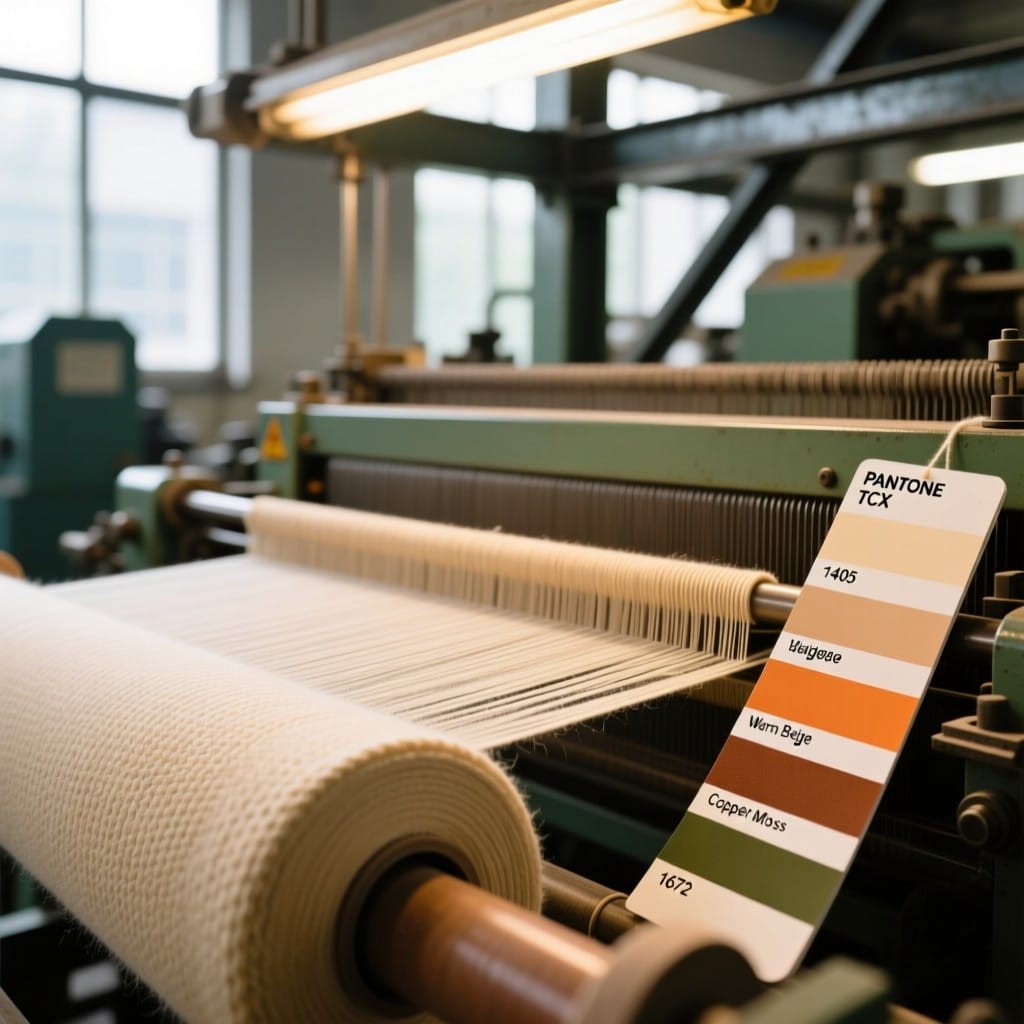
Quality benchmarks in textile manufacturing now require tolerance levels of ±0.5 cm for seam allowances and ±2.0 cm for garment length measurements. These precision standards enable consistent sizing across production runs of 10,000+ units. Manufacturers achieving these specifications report 40% fewer customer returns and substantially higher reorder rates from procurement partners.
Material weight specifications directly influence production efficiency and cost structures. Standard sweater production utilizes yarn weights ranging from 12 kg to 25 kg per cone, with heavier weights (25 kg) reducing machine changeover frequency by 35%. Woven product manufacturers track fabric consumption at 1.5 cm to 2.0 cm per seam allowance, optimizing material utilization rates to 92-96% across production batches.
2024 Trend Analysis: Manufacturing Requirements and Material Specifications
Functional Fashion Production Parameters
Functional fashion dominated 2024 markets, with apparel production facilities reporting 45% increases in technical outerwear orders. These garments require specialized construction techniques including taped seams (0.3 cm width), waterproof membranes (10,000mm rating minimum), and multi-layer fabric systems weighing 280-450 g/m². Manufacturers investing in technical production capabilities achieved substantially higher profit margins compared to standard knitwear operations.
Mountain Outdoor Style: Technical Construction Demands
The mountain outdoor trend drove demand for 3-in-1 convertible systems, requiring assembly times of 18-25 minutes per unit compared to 8-12 minutes for standard garments. Production specifications include drawstring channels (1.5 cm width), reinforced patchwork panels (2.0 cm overlap), and weather-resistant zippers rated for 50,000+ cycles. Factories report that outdoor-style orders increased 60% year-over-year, with average order quantities of 5,000-15,000 units per style.
Read more about Cardigan vs Pullover for additional context.
Boudoir and Pastoral Styles: Fabric Weight Considerations
Delicate fabric handling in boudoir-style production requires specialized equipment capable of processing materials weighing 80-150 g/m² without damage. Sheer fabric utilization rates average 78-82% due to cutting waste, compared to 92% for standard knitwear. Pastoral style embroidery specifications demand stitch densities of 4-6 stitches per millimeter, increasing production time by 15-20 minutes per garment.
Blokette Style: Hybrid Construction Methods
The emerging Blokette trend combines athletic and ballet aesthetics, requiring dual production capabilities within single facilities. Manufacturers report that hybrid-style production costs run 18-substantially higher than single-category garments due to varied material sourcing and specialized finishing requirements. Average production runs span 2,000-8,000 units, with size grading specifications following athletic fit parameters (±1.5 cm tolerance).
2025 Forecast: Production Planning and Capacity Considerations
New Chinese Style: Traditional Craft Integration
The New Chinese Style trend requires integration of traditional embroidery techniques with modern custom apparel manufacturing processes. Qipao-inspired designs demand precise tailoring with bust dart allowances of 2.0 cm and waist suppression of 3-5 cm depending on size grade. Production facilities report that traditional craft elements increase labor costs by 25-35% but command premium pricing 40-60% above standard garments.
Intellectual and Old Money Styles: Quality Benchmarks
These sophisticated trends prioritize fabric quality, with procurement specifications requiring natural fiber content of 70-100% and thread counts of 200-400 per inch for woven components. Garment manufacturing partners must demonstrate capability for precision tailoring with seam tolerances of ±0.5 cm and buttonhole spacing accuracy within 1.5 cm of specification. Quality inspection protocols for these styles typically involve 100% garment examination rather than AQL sampling.
Spicy Girl and Dopamine Styles: Colorfastness Requirements
Bold color applications in these trend categories require colorfastness ratings of Grade 4-5 (ISO 105 standard) across washing, light exposure, and rubbing tests. Textile manufacturing partners report that vibrant dye processes increase water consumption by 30-40% per production batch of 1,000 units. Color matching tolerances must remain within ΔE 1.0-1.5 to ensure consistency across production runs spanning multiple facilities.
— as detailed in our article on Cardigan vs. Sweater: Key Differences Explained.
Functional Aesthetics: Technical Innovation Standards
The functional aesthetics trend demands 3D sewing capabilities with seam strength requirements of 150-200 N (Newtons) for stress points. Lightweight materials (100-180 g/m²) require specialized handling equipment, with production speeds reduced 20-30% compared to standard-weight fabrics. High-tech fiber integration, including optical fiber components, adds $2.50-$8.00 per unit in material costs while enabling premium pricing of 35-50% above baseline garments.
Quality Control Standards in Textile Manufacturing
Procurement directors evaluating clothing factory partners should verify compliance with ISO 9001:2015 quality management systems and ISO 14001 environmental standards. Leading manufacturers maintain defect rates below 2% across production volumes exceeding 500,000 units annually. Dimensional stability testing after three wash cycles must demonstrate shrinkage within 3% tolerance for knitwear and 2% for woven products.
Production capacity planning requires accurate forecasting of seasonal demand variations. Apparel production facilities typically operate at 75-85% capacity during peak seasons (August-November for winter delivery, February-May for summer delivery), with lead times extending from standard 45-60 days to 90-120 days. Strategic partners maintain buffer inventory of 15-20% for fast-moving SKUs to accommodate rush orders within 2-3 week windows.
Material testing protocols should verify tensile strength (minimum 300 N for woven fabrics), pilling resistance (Grade 3-4 minimum), and abrasion resistance (20,000+ cycles for outerwear). These specifications ensure product durability meeting consumer expectations across 50+ wash cycles and 2-year average garment lifespans. Manufacturers providing comprehensive testing documentation achieve 30% faster approval processes with major retail partners.
{TABLE_PLACEHOLDER}
For a deeper dive, see 5 Key Factors When Buying a Sweater.
{FAQ_PLACEHOLDER}
{SCHEMA_PLACEHOLDER}
| Trend / Style | Fabric Composition | Key Features | Seasonal Relevance | Care Instructions |
|---|---|---|---|---|
| Chunky Cable Knit | 100% Merino Wool | Deep cable patterns, ribbed cuffs & hem, oversized fit | Fall / Winter | Hand wash cold, lay flat to dry |
| Lightweight Linen Blend | 55% Linen, 45% Cotton | Open weave, relaxed silhouette, natural drape | Spring / Summer | Machine wash gentle, tumble dry low |
| Textured Bouclé Cardigan | 70% Acrylic, 30% Polyester | Loop yarn texture, patch pockets, button front | Transitional / All-season | Dry clean recommended |
| Fair Isle Patterned Pullover | 80% Wool, 20% Nylon | Traditional colorwork, crew neck, reinforced seams | Winter / Holiday | Hand wash cold, reshape while damp |
| Fine Gauge Cashmere Turtleneck | 100% Cashmere | Ultra-soft hand feel, seamless construction, mock neck | Fall / Winter / Layering | Dry clean or hand wash with cashmere shampoo |
Frequently Asked Questions
What is the minimum order quantity (MOQ)?
MOQ is 100 pieces per color/style for knitwear and 200 pieces for woven garments. Stock yarn options allow smaller trial orders.
What is the sample lead time?
Sample production takes 15-20 days. If sourced yarn is required, add 5-7 days for yarn procurement. Samples are charged at 1.5x unit price, refundable upon bulk order confirmation.
What is the bulk production lead time?
Bulk production runs 45-60 days from sample approval. Rush orders (20-30 days) available for repeat clients with confirmed yarn stocks.
What are the payment terms?
Standard terms: 30% deposit upon order confirmation, 70% before shipment. Wire transfer (T/T) or Alibaba Trade Assurance accepted.
What compliance certifications are available?
The supplier supports OEKO-TEX Standard 100, GOTS (organic cotton), GRS (Global Recycled Standard), and BSCI audits. Certification costs are borne by the buyer; we facilitate the process.
Frequently Asked Questions
How long do fashion buyers typically plan ahead for production based on trends?
Fashion buyers typically require 6-12 month lead times to align garment manufacturing capacity with emerging consumer preferences and trends.
What impact do compressed trend adoption cycles have on clothing factory operations?
Compressed trend adoption cycles, now averaging 6 months instead of 18, require clothing factories to adopt agile production methodologies and maintain flexible supply chains capable of pivoting within 30-45 days.
How can manufacturers reduce overstock rates through trend understanding?
By understanding trend trajectories, sweater and woven product manufacturers can improve strategic inventory planning, reducing overstock rates by 15-25% annually.
What quality control standard does Cogarm use in garment manufacturing?
Cogarm maintains AQL 2.5 inspection standards across all stages of garment manufacturing to ensure consistent quality.

[…] For a deeper dive, see Woven Sweater Trends: Style Redefined. […]