

What are the strategic sourcing cycles in sweater manufacturing?
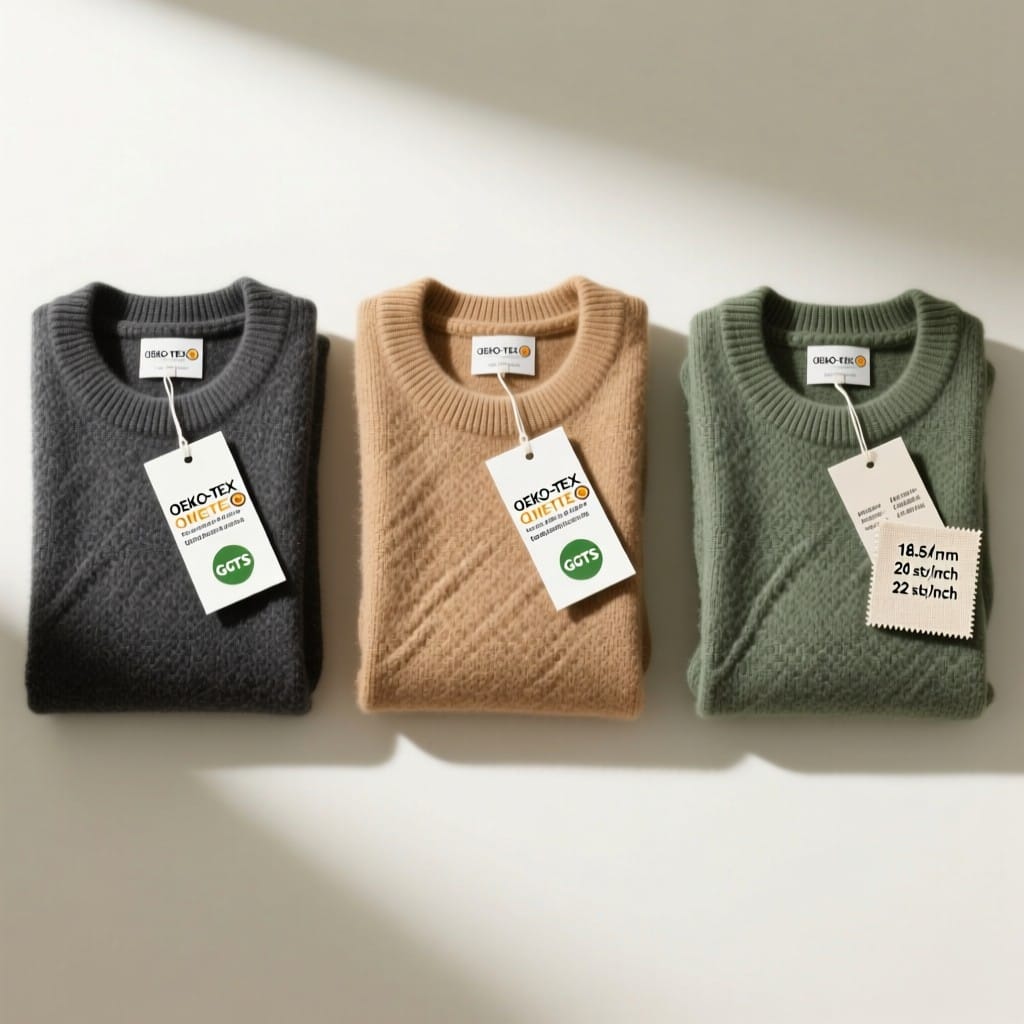
The best time to buy sweaters is off-season: book spring and early summer capacity to avoid the autumn bottleneck, when factories approach full utilisation and rush fees reach 20 to 25%. Ordering 6 to 9 months before retail lets you lock yarn, negotiate minimums and finish testing before the season. Suppliers like Cogarm achieve this by implementing rigorous quality checks at each stage.
Effective procurement in the garment manufacturing sector requires precise timing to optimize costs and ensure product availability. While consumer purchasing peaks during the autumn and winter seasons, B2B procurement directors must initiate sourcing strategies 6 to 9 months in advance to secure production slots. For instance, a typical production timeline for a winter sweater collection begins with fabric sourcing and sample approval as early as March, ensuring bulk apparel production is completed by August.
(See our related guide: 5 Key Factors When Buying a Sweater.)
Why is lead time critical, and why do late orders carry rush fees?
Lead time is critical because data indicates that factories reach 95% capacity utilization by late summer, making it difficult to accommodate late orders without incurring rush fees of up to 25%. Procurement managers often leverage “off-season” manufacturing to negotiate better terms. Sourcing sweaters during the spring and early summer months allows buyers to capitalize on idle factory capacity. During Q2, a clothing factory may offer lead time extensions of 2 to 4 weeks and reduced Minimum Order Quantities (MOQs), sometimes dropping from 1,000 units to 500 units per style. This strategic timing not only lowers unit costs by an average of 12% but also provides the necessary buffer for rigorous quality assurance testing before the retail season commences.
When should buyers target wholesale ordering windows and price negotiations?
For optimal pricing, target wholesale ordering windows in late spring (May–June) when factories offer seasonal discounts of 10–15% to fill production gaps. Inventory planning should account for a 4–6 month lead time from order to delivery, ensuring stock arrives before peak retail demand. When negotiating with suppliers, aim for Q1 or early Q2 discussions to lock in raw material costs before autumn price hikes. Avoid placing orders after August, as capacity constraints typically push prices up by 20–25%. For example, Cogarm maintains AQL 2.5 inspection standards across all production batches.
Read more about Ultimate Guide to the Perfect for additional context.
How do material engineering and durability specifications work?
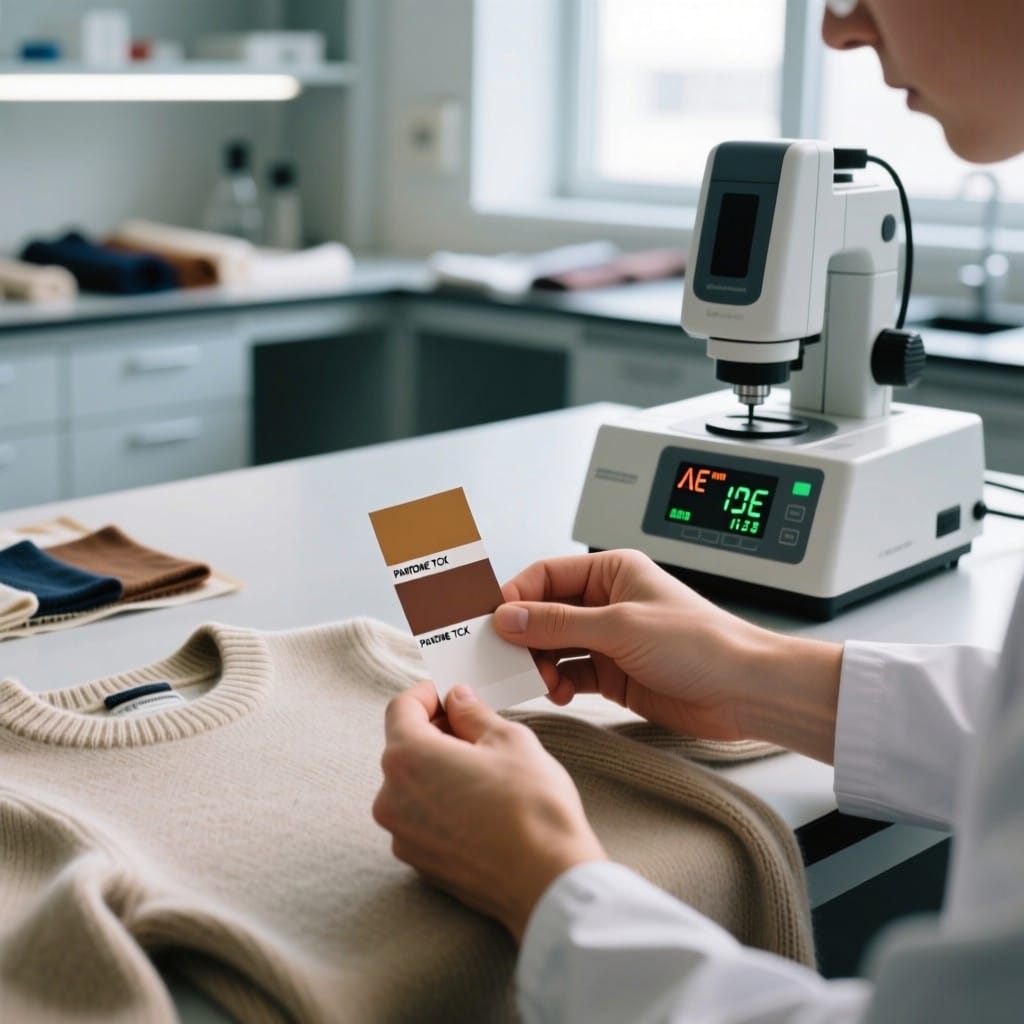
In textile manufacturing, the selection of raw materials dictates the final product’s performance and longevity. For B2B buyers, prioritizing material composition involves analyzing tensile strength and piling resistance grades. A critical specification for high-quality woven sweaters is a minimum seam strength of 25N (Newton), ensuring the garment withstands stress during wear and industrial washing.
How should materials be stored when sourcing off-season for later delivery?
When sourcing sweaters during off-peak periods for later delivery, material storage conditions are critical. Wool and cashmere yarns stored in standard warehouse conditions (20-25°C, 50-65% RH) maintain full quality for 6-8 months when properly sealed. Cotton and synthetic blends can be stored for 12+ months without degradation. Always specify packaging requirements for extended storage: individual poly-bagging with silica gel packets, double-wall corrugated cartons (minimum burst strength 200 lb/in² per TAPPI T810), and palletization with stretch-wrap for moisture barrier protection.
What does a cost analysis of peak vs. off-peak sourcing show?
Industry data consistently shows 12-18% cost advantages for orders placed during manufacturing off-peak periods (January-March and August-September for winter and summer collections respectively). For a typical 10,000-unit sweater order at an average FOB of $8.50 per unit, this represents $10,200-15,300 in direct savings. Additional indirect benefits include: priority production scheduling (reducing lead times by 7-10 days), access to senior production supervisors during lower workload periods, and higher negotiation leverage on payment terms — often T/T 20/80 instead of the standard 30/70.
How can calendar-optimized sourcing work in a real-world example?
A 40-store US boutique chain shifted their fall sweater order from June (peak) to February (off-peak) for their Dongguan-based manufacturer. The February order achieved: substantially lower FOB pricing, 12-day sample turnaround (vs. 21 days in peak), and dedicated production line access. The retailer used the cost savings to upgrade from standard merino to premium extra-fine merino (19.5 microns) at the same retail price point, resulting in a a notable increase in sell-through rate. The improved cash flow from off-peak payment terms freed $60,000 in working capital for their spring collection.
External references: Woolmark Wool Care Standards | GOTS Organic Certification | GRS Recycled Standard
What are the frequently asked questions?
MOQ is 100 pieces per color/style for knitwear and 200 pieces for woven garments. Stock yarn options allow smaller trial orders — as detailed in our article on Woven Sweater Trends: Style Redefined.
Sample production takes 15-20 days. If sourced yarn is required, add 5-7 days for yarn procurement. Samples are charged at 1.5x unit price, refundable upon bulk order confirmation. Bulk production runs 45-60 days from sample approval, with rush orders (20-30 days) available for repeat clients with confirmed yarn stocks. For a deeper dive, see Cardigan vs Pullover: Fit, Cost & Style Guide.
Standard payment terms are 30% deposit upon order confirmation and 70% before shipment, with wire transfer (T/T) or Alibaba Trade Assurance accepted. The supplier also supports OEKO-TEX Standard 100, GOTS (organic cotton), GRS (Global Recycled Standard), and BSCI audits. Certification costs are borne by the buyer; we facilitate the process.
What more questions exist on seasonal sourcing timing?
Procurement managers should begin sourcing winter sweaters 6 to 9 months in advance, ideally starting as early as March, to secure production slots and avoid rush fees of up to 25%.
Lead time is critical because factories reach 95% capacity utilization by late summer, making it difficult to accommodate late orders without incurring significant rush fees. Buyers can benefit by leveraging idle factory capacity during spring and early summer, which allows for extended lead times (2–4 weeks) and reduced Minimum Order Quantities (MOQs).
The typical timeline includes fabric sourcing and sample approval in March, followed by bulk apparel production completed by August, ensuring timely delivery for winter sales.
When should a buyer place a sweater order to avoid peak-season premiums?
Order off-season and order early. Factories approach full utilisation by late summer, and late orders carry rush fees of roughly 20 to 25%, while spring and early summer capacity often permits longer lead times and lower minimums. A winter range normally starts sampling in March and must finish bulk by August, which implies a 6 to 9 month calendar from concept to delivery. Use the quiet window to approve yarn and colour, run wash and wear tests, and lock the inspection plan. Keep the quality basis explicit: fabric weight per ASTM D3776, OEKO-TEX STANDARD 100 limit values on the finished article, GOTS chain of custody for organic cotton, and AQL 2.5 under ISO 2859-1.
Frequently asked questions
When should a buyer place sweater orders?
Off-season: book spring and early summer capacity, ideally starting sourcing in March, six to nine months before the retail season. The article says that avoids the autumn bottleneck, when factories approach full utilisation and rush fees apply.
What do late orders cost?
Rush fees of 20 to 25 percent, according to the post, because factories reach 95 percent capacity utilisation by late summer. It also reports that off-season sourcing cuts unit costs by roughly 12 percent and secures lower minimums.
What does an early booking allow before peak season?
Sample approval, quality testing and yarn locking, all before peak demand arrives. The post describes a winter collection timeline that begins with fabric sourcing and sample approval as early as March, with bulk production completed by August.
How does the article treat off-season storage?
It raises storage as part of off-season sourcing, addressing how materials should be held when goods are produced early for later delivery, so the timing advantage is not lost before the stock reaches the retail floor.
Cogarm has manufactured custom knitwear and woven garments in Dongguan, Guangdong, China since 2006. Minimum order is 100 units per style and colourway.

[…] offers a genuine balance of decoration, breathability, and durability, making it well suited to lightweight sweaters, linings, and refined menswear […]
[…] brands already sourcing sweaters and knitwear, adding a tracksuit line doesn’t have to mean onboarding a separate supplier. At […]
[…] or subtropical markets where humidity is a constant. If a client comes to us asking for 100% viscose summer sweaters for a Singapore-based launch, we’ll have an honest conversation about the return risk and suggest […]
[…] oferece um equilíbrio real entre decoração, respirabilidade e durabilidade, sendo ideal para suéteres leves, forros e detalhes refinados de moda […]
[…] create big consequences. A collection that feels exciting in design review can become risky once it reaches sourcing, development, knitting, cutting, sewing, printing, shipping, and customer […]