

This article outlines the engineering principles of Design for Manufacturability (DFM) in clothing, focusing on how technical specifications influence production efficiency, material yield, and unit costs. By understanding the structural limitations of different yarn weights, knitting gauges, and assembly methods, procurement managers can systematically reduce sample rejection rates and compress lead times. Implementing these DFM rules ensures that creative visions transition seamlessly into highly repeatable, cost-effective production runs.
In consumer electronics, brands like precision manufacturers design hardware with extreme tolerance controls down to the micron. In modern apparel production, high-performing fashion brands and retail giants are adopting this exact same engineering mindset through Design for Manufacturability (DFM). As global supply chains face compressed product lifecycles and rising material costs, treating a garment as an engineered product rather than an artistic concept is no longer optional; it is the dividing line between profitable scaling and margin erosion.
Historically, the separation between design studios and factory floors has led to protracted sampling cycles, high fabric wastage, and avoidable structural failures at the seams. When a designer specifies a delicate yarn without matching it to the correct machine gauge, or designs a complex woven seam that slows down assembly lines, retail margins evaporate. Applying rigorous DFM principles early in the tech-pack phase allows sourcing teams to optimize fabric yield, lower labor costs, and ensure consistent fit across production runs.
(See our related guide: Streamlining Communication for Remote B2B Clients.)
This article delivers a concrete technical framework for implementing DFM in both knitwear and woven apparel. Readers will analyze how variables like fiber diameter, machine gauge, and assembly pathways dictate production speed and product quality, equipping procurement teams to negotiate effectively and establish highly predictable manufacturing workflows.
Technical Specifications and DFM Core Parameters
DFM in apparel requires a deep understanding of raw material physics. For premium knitwear, fiber selection directly influences machine settings and knitting performance. Merino wool, categorized by fiber diameter, ranges from superfine (≤18.5µm) and fine (≤20µm) to medium (≤22µm) up to 24µm. Premium applications utilizing Cashmere Grade A (≤15.5µm) demand even tighter tension controls on the needle bed to prevent fiber breakage during high-speed production.
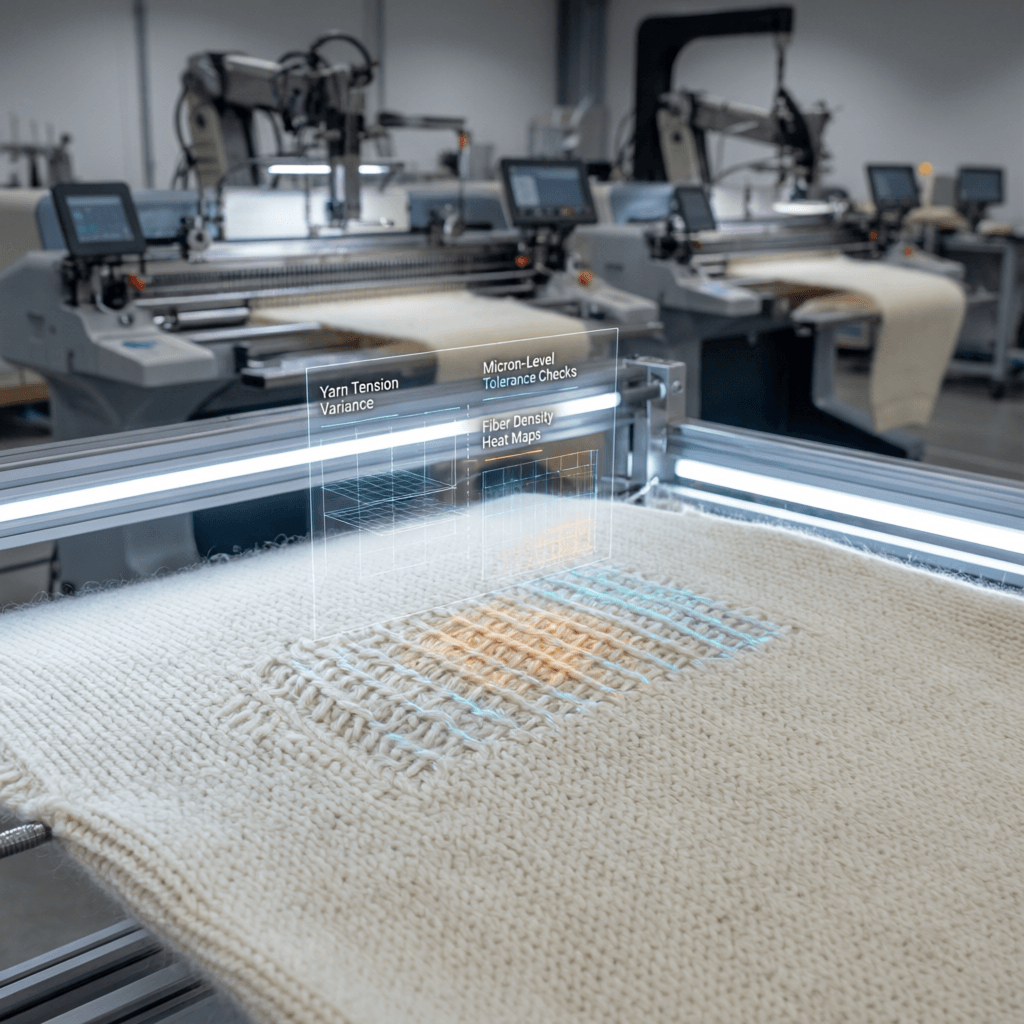
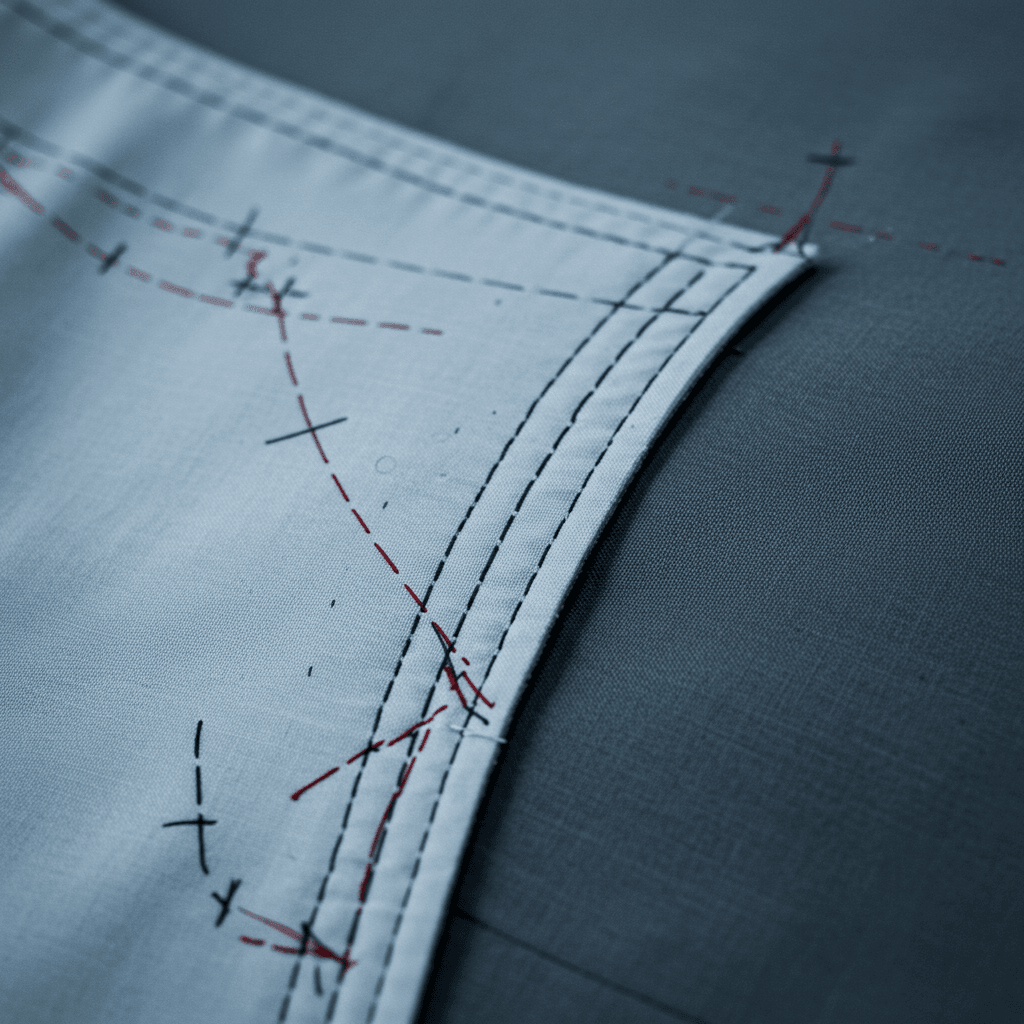
These fibers are run through specific flat-knitting machine configurations measured in gauge (GG), representing the number of needles per inch. Machine gauges range from 3GG to 18GG. Heavy, chunky sweaters utilize 3-5GG, midweight knits utilize 7-10GG, and fine, lightweight sweaters require 12-18GG.
Matching the fiber micron count and yarn ply to the correct machine gauge is critical: attempting to run a heavy, multi-ply medium-micron yarn on a 15GG machine causes needle hook damage and structural defects, while running a single-ply superfine merino yarn on a 3GG machine results in an unstable, loosely knit structure prone to excessive pilling and dimensional distortion.
Read more about Why Flexibility in Order Volum for additional context.
Technical Comparison: Fully Fashioned vs. Cut-and-Sew Knitwear
To optimize manufacturing efficiency, apparel engineers must decide between fully fashioned construction (where panels are knit to the exact shape of the pattern) and cut-and-sew construction (where panels are cut from flat-knit rolls). Below is a direct technical comparison of these two methodologies across key performance metrics.
| DFM Parameter | Fully Fashioned Knitwear | Cut-and-Sew Knitwear |
|---|---|---|
| Fabric Waste (%) | ≤1.5% waste (edges are finished during knitting) | 15.0% to 22.0% waste (remnants from cutting) |
| Production Time (Knitting) | 35 to 50 minutes per panel | 12 to 18 minutes per meter of roll fabric |
| Assembly Time (Linking vs. Overlock) | 20 to 30 minutes per garment (hand-linking) | 8 to 12 minutes per garment (high-speed overlock) |
| Seam Thickness / Bulk | 1.0 mm to 1.5 mm (flat, low-bulk seams) | 3.0 mm to 4.5 mm (raised, bulky overlock seam) |
| Gauge Capability | Optimized for 3GG to 18GG beds | Typically restricted to 12GG to 18GG roll fabric |
| Yarn Tension Tolerance | High precision (variable tension control per row) | Uniform tension across the entire roll width |
| MOQ Requirements | Flexible (100 pcs/colour/style knitwear) | Higher for custom fabric rolls (typically 200+ pcs) |
| Dimensional Stability (Shrinkage) | High stability; <3% shrinkage post-wash | Variable stability; 5% to 8% shrinkage if un-stabilized |
The data demonstrates that while fully fashioned production minimizes material waste (under 1.5%), it requires significantly longer knitting and assembly times due to the precise linking process. Conversely, cut-and-sew knitwear offers faster machine throughput but incurs substantial material waste (up to 22%), making it less cost-effective when working with expensive raw materials like Cashmere Grade A or superfine merino wool.
Product Use Cases and Material Configurations
For enterprise procurement managers, selecting the appropriate production method and material blend is a balance of performance, cost, and target retail pricing. In commercial programs, a blended yarn like a Merino/Acrylic/Cotton mix provides the luxury hand-feel of wool with the structural stability of cotton and the cost-efficiency of acrylic. In a corporate retail rollout of midweight crewnecks, specifying an 11.5-gauge construction using a 19.5µm fine merino blend ensures a durable garment that withstands commercial laundering while maintaining a premium drape. Other high-performance blends, such as lambswool, recycled wool (GRS), modal, viscose, and LENZING ECOVERO, allow sourcing teams to target precise weight and price points.
In contrast, high-end seasonal collections require top-tier specifications. A luxury brand launching a chunky-knit cardigan would specify a 3GG or 5GG layout utilizing Grade A cashmere (≤15.5µm) or superfine merino (≤18.5µm). Experienced suppliers like Cogarm guide buyers through this process, ensuring that the yarn ply (e.g., 2/28 Nm or 2/16 Nm) is engineered precisely for the target machine gauge to prevent structural failures on the factory floor.
For woven garments, such as structural shirts or outerwear, DFM focuses on seam allowances and pattern nesting to keep cut waste below 10%, with a minimum order quantity (MOQ) of 200 pieces per style to justify the automated cutting-table setups. For custom knitwear, flexible manufacturers can support MOQs of 100 pieces per color and style, allowing brands to test market demand before scaling.
Supplier Sourcing and Geographic Alignment
Navigating these technical trade-offs requires deep manufacturing expertise. Advanced garment manufacturers offer dual-base manufacturing structures to optimize both speed and specialization. For instance, leveraging a regional ecosystem in Dongguan allows production to be split optimally: Humen for high-efficiency cut-and-sew woven garments, and Dalang for premium, highly technical knitwear. This geographic specialization provides immediate access to specialized knitting machines and localized raw material markets, cutting valuable days off the sourcing calendar.
— as detailed in our article on How to Scale Production without Sacrificing Quality.
When engaging with manufacturing partners like Cogarm, procurement teams benefit from compressed timeline structures. Standard sample lead times are held to 15-20 days, with an additional 5-7 days required for highly specialized, custom-sourced yarns. Once samples are approved, production is typically completed within 45-60 days.
Technical accuracy is maintained through exact Pantone TCX matching and a strict AQL 2.5 inspection standard before packing. Furthermore, compliance-focused suppliers integrate global compliance standards—including OEKO-TEX, GOTS, GRS, and BSCI—directly into the production workflow when required by client specifications, ensuring a fully traceable chain of custody. Commercial transactions are secured via standard industry payment structures of a 30% deposit followed by the remaining 70% before shipment.
DFM Specification by Program
Specify fully fashioned knitwear using 12GG-18GG machines for premium, close-to-skin garments utilizing superfine merino or cashmere blends where low seam bulk and minimal fabric waste are critical. Specify cut-and-sew construction for high-volume, mid-to-lower price point woven garments and heavy cotton-acrylic blends where high assembly speed outweighs fabric remnant waste.
What is the maximum fiber diameter recommended for premium next-to-skin knitwear?
For next-to-skin garments, fiber diameter should be kept to superfine merino (≤18.5µm) or Grade A cashmere (≤15.5µm) to eliminate prickle discomfort.
How does machine gauge affect the minimum order quantity (MOQ) of custom knitwear?
While standard knitwear MOQs are 100 pieces per color/style, coarser gauges (3GG-5GG) require heavier yarn weights which may alter minimum yarn dye-lot requirements.
What is the typical lead time for a custom yarn knitwear sample?
A standard sample takes 15-20 days, but custom yarn sourcing adds an additional 5-7 days to the front end of the timeline.
For a deeper dive, see Lessons from Our Largest OEM Apparel Launch.
Why is Pantone TCX matching preferred over Pantone PMS for apparel?
Pantone TCX (Textile Cotton eXtend) uses cotton dye formulations that accurately reflect how light absorbs and reflects off textile fibers, unlike paper-based PMS standards.
Engineering Value into the Supply Chain
Designing for manufacturability is the most effective lever an apparel procurement manager has to control costs and eliminate production defects. By aligning yarn micron sizes, machine gauges, and construction methods during the initial tech-pack design, brands can bypass the endless sampling loops that delay product launches and drain margins. Partnering with a manufacturer that possesses deep technical expertise in both knitwear and woven construction ensures your designs are optimized for the factory floor without sacrificing design intent.
Request a compliant custom knitwear sample with full technical specification sheets and a Pantone TCX matching color swatch from Cogarm.
Frequently Asked Questions
What is the minimum order quantity (MOQ)?
MOQ is 100 pieces per color/style for knitwear and 200 pieces for woven garments. Stock yarn options allow smaller trial orders.
What is the sample lead time?
Sample production takes 15-20 days. If sourced yarn is required, add 5-7 days for yarn procurement. Samples are charged at 1.5x unit price, refundable upon bulk order confirmation.
What is the bulk production lead time?
Bulk production runs 45-60 days from sample approval. Rush orders (20-30 days) available for repeat clients with confirmed yarn stocks.
What are the payment terms?
Standard terms: 30% deposit upon order confirmation, 70% before shipment. Wire transfer (T/T) or Alibaba Trade Assurance accepted.
What compliance certifications are available?
The supplier supports OEKO-TEX Standard 100, GOTS (organic cotton), GRS (Global Recycled Standard), and BSCI audits. Certification costs are borne by the buyer; we facilitate the process.
